When to visit Cambodia? High season vs low season: the complete guide to choosing
Cambodia is shaped by two great climatic rhythms that sculpt the landscapes and influence the rhythm of local life: the dry season, luminous and warm, and the rainy season, cooler and more lush, where showers nourish the rice fields and awaken the jungle. Each season
Cambodia is shaped by two great climatic rhythms that sculpt the landscapes and influence the rhythm of local life: the dry season, luminous and warm, and the rainy season, cooler and more lush, where showers nourish the rice fields and awaken the jungle. Each season possesses its own personality, its strengths, its small constraints. Knowing which season to choose to explore the Khmer country depends first and foremost on how you like to travel.
Discover all the advantages and disadvantages of each season to see more clearly and choose the ideal period to organize your next trip to Cambodia.
Understanding Cambodian climate
Cambodia has a tropical climate characterized by two distinct seasons that alternate: the dry season and the rainy season.
When does the dry season occur in Cambodia?
🌤️
Dry season in Cambodia — key figures
Weather: dry climate, clear skies, very low risk of showers
Temperatures: 25 to 35 °C
Sunshine: 7 to 9 hours of sunlight per day
The dry season in Cambodia runs from November to May.
From November to February, temperatures remain mild (25–30 °C) and humidity relatively low. The light is crystal clear, roads are in excellent condition, and days are perfect for exploring Angkor, walking through the countryside or getting lost in the streets of Phnom Penh. From March to May, heat intensifies progressively, often exceeding 33–35 °C in the plains. However, mornings are still superb for visits, and the southern beaches offer a true breath of fresh air.
This is the season chosen by those seeking a sunny trip to Cambodia, stable weather and optimal conditions for excursions, swimming, diving...
When does the rainy season occur in Cambodia?
🌧️
Rainy season in Cambodia — key figures
Weather: rainy season, but brief showers
Average duration of rain: 1 to 2 hours per day, mainly in late afternoon
Temperatures: 24 to 32 °C, more humid atmosphere
Sunshine: 5 to 7 hours of sunlight per day
In Cambodia, the rainy season, or monsoon, runs from May to October, with a marked peak between August and October.
Despite its name, this period often surprises travelers as it is not characterized by continuous rain. Indeed, showers fall mainly in late afternoon, in the form of intense but brief downpours (between 1 and 2 hours, sometimes a little more in September and October). For the rest of the day, landscapes alternate between clear skies, fast-moving clouds and soft, very photogenic light.
It is during these months that Cambodia reveals its most authentic face: rice fields become vibrant emerald green and transform into mirrors of water, the jungle breathes and illuminates with brilliant green, waterfalls awaken and swell, and the Tonlé Sap regains its full power. For a traveler seeking nature, encounters and rural atmospheres, it is a period of incomparable richness.
What is the climate like by region?
Cambodia presents a tropical climate that varies significantly by region, affecting both temperature, humidity and precipitation:
In the North, around Siem Reap and Angkor temples, temperatures remain pleasant year-round, with cooler nights, and rainfall is moderate, making visits to historical sites comfortable even during the humid season.
The Phnom Penh region and the South are hotter and more humid, with more intense summers and more frequent showers, especially between June and October.
The Cardamom Mountains, in the west, benefit from a particular microclimate: they receive more precipitation, which nourishes dense and lush vegetation, ideal for hiking and wildlife observation.
The southern coasts and Cambodian islands experience a more stable climate in dry season, perfect for beaches and water activities, but can be exposed to winds and occasional showers during the monsoon.
This regional diversity means that the choice of travel period can vary depending on whether you prioritize temples, nature or seaside.
What about tourist seasons?
The high tourist season in Cambodia coincides largely with the dry season, from November to March, when the climate is dry, sites are easily accessible and days are long. This is when visitor numbers increase, particularly around Angkor temples and southern beaches.
After high season, the period that stretches between April and May can be called shoulder season. Finally, the low tourist season corresponds to the rainy season: May to October. At this time, visitors are fewer, prices softer and experiences more intimate and authentic.
Visiting Cambodia during the dry season: what to expect?
The dry season, from November to May, opens a luminous window onto Cambodia. For many travelers, it is the "postcard" Cambodia.
The advantages of traveling during the dry season
Visiting Cambodia in the dry season presents real benefits:
Stable and predictable weather: rain rare or nonexistent, mild temperatures and generous sunshine, low humidity rates... Weather conditions are perfect for all outdoor activities, whether discovering the country's best hiking sites, exploring Angkor's emblematic temples and Cambodia's forgotten temples...
Easier access to remote regions: during the dry season, roads and trails are passable and allow easier access to isolated areas such as the Cardamom chain or the Dangrek massif.
A wide range of activities: weather conditions allow you to vary experiences during your stay (cycling tours, jungle trekking, temple visits, kayaking...).
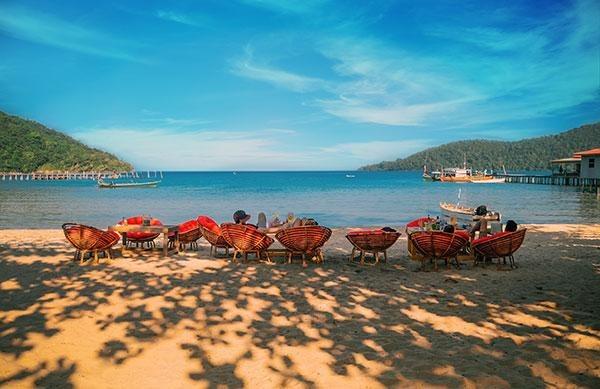
A period conducive to seaside pleasures: At this time, the sea is calm and turquoise, the sky is clear, temperatures are mild, visibility is excellent for diving and snorkeling. In short, the dry season is the best period to explore the islands and coastline and enjoy Cambodia's most beautiful beaches.
For a first trip to Cambodia, a beach stay or a very packed itinerary, the dry season is often considered the easiest to experience.
🎊
Festivities not to miss during the dry season
The dry season is also when Cambodia celebrates some of its most emblematic cultural events:
Bon Om Touk — Water Festival (November): spectacular boat races, celebration of the Tonlé Sap's retreat and beginning of the new lunar year.
Pchum Ben (late September – October): rites dedicated to ancestors, deep immersion in Khmer spiritual traditions.
Khmer New Year (Chaul Chnam Thmey) (April): three days of festivities, water games and celebrations throughout the country.
The disadvantages of traveling during the dry season
The dry season also has its downside:
High temperatures at the end of the season: before the arrival of the first rains, the country experiences a heat peak. Indeed, from March to May, the thermometer easily climbs above 35 °C. Outdoor visits can become challenging, particularly in the central part of the country.
Stronger tourist attendance: Angkor temples, Kampot or southern islands welcome more travelers during high season.
Higher prices: accommodations and certain activities display higher prices during this period, especially around year-end holidays and Khmer New Year.
Drier landscapes: during the dry season, rice fields turn yellow, countryside takes on a dusty hue, some waterways are at their lowest level, and waterfalls are less impressive. It is not the lush Cambodia one might expect.
Visiting Cambodia during the rainy season: what to expect?
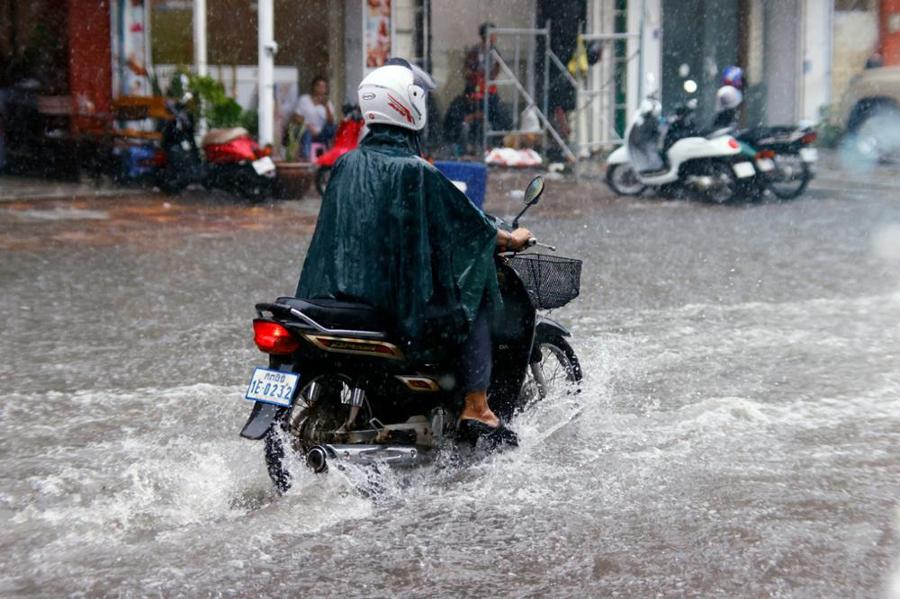
When Cambodia enters the rainy season, the country changes face. For travelers who accept this tropical rhythm, the rainy season offers a living, vibrant, more authentic Cambodia.
The advantages of traveling during the rainy season
Visiting Cambodia during the monsoon holds very pleasant surprises, often unsuspected:
Spectacular and vibrant nature: with the return of rains, landscapes are at their peak. Rice fields become emerald green again, waterfalls fill up, the Tonlé Sap regains its generous level and floating villages come back to life.
Fewer travelers, more authenticity: tourist sites are calmer, accommodations more accessible and encounters with locals more spontaneous. Angkor regains its tranquility, trails empty out, southern beaches are more serene.
Lighter prices: the drop in attendance leads to 10 to 20% reductions for accommodations and certain activities. This is ideal for travelers on a tight budget.
Striking light and wonderful photo opportunities: during the monsoon, stormy skies, reflections on rice fields and sunrises after rain are beautiful. Contrasts and light offer ideal conditions for photography enthusiasts.
The rainy season requires some adaptation but generously rewards those who choose it: more spontaneous encounters, vibrant landscapes, and the feeling of exploring a more secret country.
🌙
Festivities not to miss during the rainy season
The rainy season is also a period rich in authentic and often intimate festivals and events:
Harvest festivals and flooded rice fields (July – September): celebrations of plantings and first sprouts — a privileged moment to understand the deep bond between Cambodians, the land and water.
Firefly festival and full moon nights: particularly around the Tonlé Sap, lacustrine villages light up with an almost magical atmosphere.
Small Khmer New Year and local village festivals: in each province, dances, rituals and traditional celebrations punctuate the rainy months — often far from tourist crowds.
Also discover our article: Visiting Cambodia during the rainy season: the advantages and precautions to take
The disadvantages of traveling during the rainy season
Like any tropical season, the monsoon can be inconvenient. Here are the main drawbacks of visiting Cambodia during the rainy season:
Daily showers: rains occur every day but are punctual. They generally occur in late afternoon, allowing you to plan activities before their arrival.
High humidity: the air can become heavy, especially in August and September and ambient humidity can tire you more.
Sometimes difficult road access: in some remote regions (Mondolkiri, Cardamomes), mud slows journeys and complicates access to certain sites.
Rougher seas: crossings to Koh Rong or Koh Rong Samloem islands can be slightly disturbed or even cancelled depending on weather conditions.
Weather-affected activities: boat outings can be cancelled, some trails temporarily closed... It is therefore important to remain flexible and plan backup solutions in case of cancellation. An opportunity, for example, to take a Khmer cooking class or enjoy a Cambodian massage!
Which season to choose according to your travel wishes in Cambodia?
Between the luminous dry season and the verdant monsoon, Cambodia changes face throughout the year. Each period possesses its own assets and flagship activities. Here are the best times to visit Cambodia according to activities.
The best time to visit Angkor temples
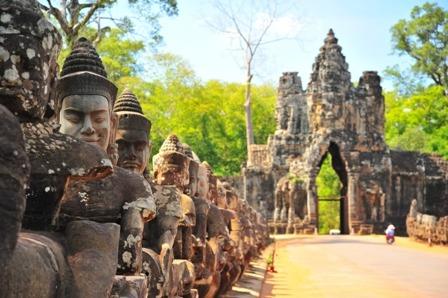
If your goal is to discover Angkor temples under optimal conditions, the dry season, from November to May, remains most recommended. Trails are passable, temple stones are dry and sunrise reflects in basins and canals, offering spectacular lighting for photography. However, for those wanting to avoid crowds, the rainy season remains an excellent option: despite a few brief showers, you will enjoy almost deserted sites, and lush vegetation will make the setting even more magical.
Also discover: Where to photograph Angkor temples at sunrise?
The best time to enjoy Cambodia's beaches and islands
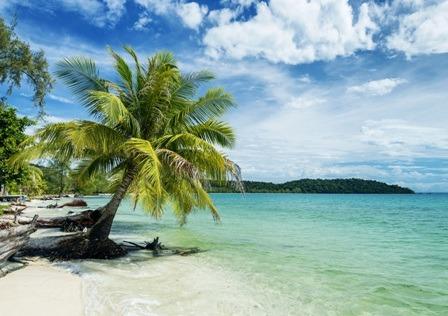
For a beach stay at Koh Rong, Koh Rong Samloem, Kep or Sihanoukville, the months of December through April are perfect. The sea is calm, days are sunny and visibility is excellent for diving and snorkeling. This is also when islands are safest for boat excursions and water activities. In low season, beaches are nearly deserted and prices attractive, but you must accept that the sea can sometimes be rough and the sky cloud over for a few hours a day, in late afternoon.
The best time to observe wildlife
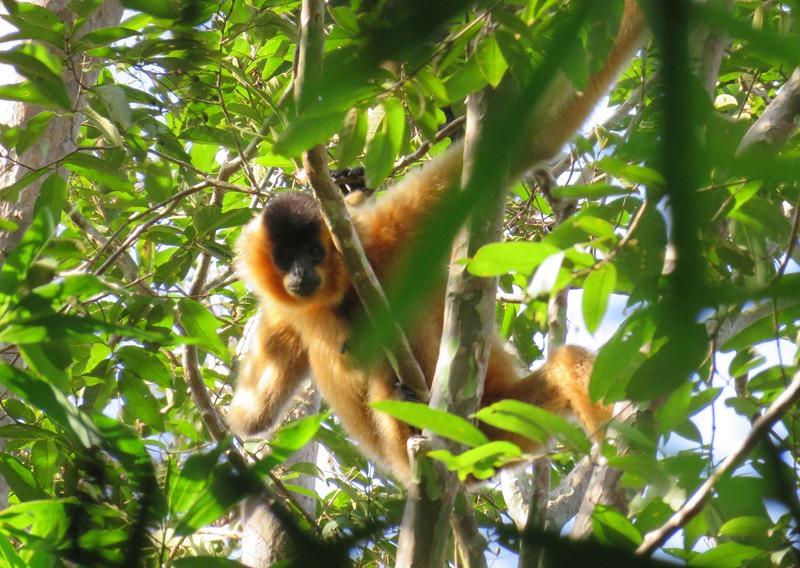
If you want to take advantage of your trip to see Cambodia's emblematic animals, know that certain periods are more favorable than others depending on the species. Irrawaddy dolphins, at Kratie, are visible year-round, with peak observation from January to April, when the Mekong level is low. Gibbon observation and other primates from Mondulkiri and Ratanakiri is more easily done from December to March, when the forest is more open and hiking conditions optimal.
Birdwatching enthusiasts will prefer November to February, the period when the Tonlé Sap's retreating waters concentrate rare birds such as giant ibises, marabous or pelicans. Finally, the green season, May to September, reveals particularly intense biodiversity: reptiles, amphibians, butterflies and tropical flora benefit from humidity, offering more vivid nature than ever despite daily showers.
The best time for an immersive and authentic trip
For travelers seeking nature-focused, authentic and more confidential Cambodia, the period of June to September is to be favored. Rice fields are flooded, waterfalls in full activity, and forests reveal an almost unreal deep green. Showers are brief and regular, and they add a particular spectacle to the experience: rainbows, mist over temples and changing light in rice fields. It is also when travelers can immerse themselves in local culture: witnessing agricultural work, village rituals or daily activities offers rare proximity with locals, far from classic tourist circuits.
The best time for a tight budget
Wondering when to visit Cambodia on a shoestring? If budget is a determining factor, the rainy season allows for real savings. Accommodations and activities often offer 10 to 20% discounts, and some flights may also be cheaper. Even if the weather can be more humid, this period offers a calmer, more intimate experience, while allowing you to fully enjoy Cambodia's cultural and natural wealth.
In brief: what is the best season to visit Cambodia?
🌿 Criteria | Dry season | Rainy season |
|---|---|---|
Average temperatures | 25–35°C | 24–32°C |
Landscapes | Clear skies, golden tones, resting rice fields, sublime beaches | Lush nature, vibrant jungles, intense green rice fields, swollen Tonlé Sap |
Advantages | Ideal conditions for temples and beaches, calm sea, accessible roads | Fewer tourists, softer prices, authentic atmosphere, splendid vegetation |
Disadvantages | More crowding, sometimes intense heat, higher prices | Daily showers (brief), roads sometimes slowed, rougher sea |
Travel type | Beaches, relaxation, photography, short stays, first discovery | Nature, cultural immersion, off-season travel, managed budget |
As you have understood, there is no bad season to discover Cambodia. Each period of the year offers its own colors, atmospheres and emotions. Whether contemplating Angkor temples at sunrise, enjoying deserted beaches on island getaways, living an intense nature experience or traveling wisely with a controlled budget, Cambodia adapts to every traveler, offering a palette of experiences at any time of year.
At Seripheap, we will help you choose the period and activities that will make your stay in Cambodia an unforgettable memory. You can create a tailor-made itinerary with our local team and enjoy many benefits (secure payment, English-speaking assistance, and Atout France guarantees...) by booking with Nomadays.

Your local team in Cambodia helps you create an authentic, tailor-made journey, perfectly organized.
✉️ Contact our Seripheap team 🌏 Discover circuits in Cambodia
Free quote • English-speaking local team • Quick response
Cambodia awaits and we are here to help you discover it, at the best time.
📚