Practical information Cambodia
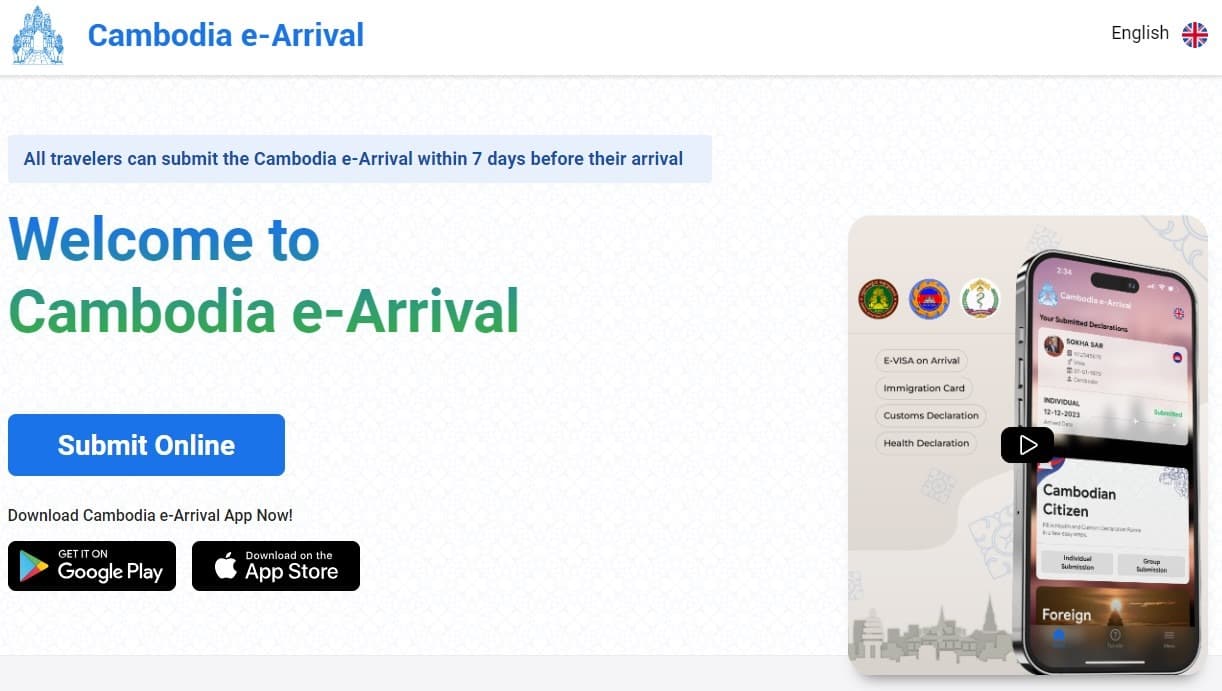
This section brings together the practical information we provide every week to travelers who contact us from Phnom Penh. You'll find details on obtaining a Cambodian visa (e-visa online or visa on arrival at Phnom Penh or Siem Reap airport, around 30 to 36 USD), recommended vaccinations from the Pasteur Institute (hepatitis A and B, typhoid, rabies depending on itinerary) and an overview of malaria, present only in certain forested border areas. Budget-wise, plan for 80 to 150 USD per day and per person excluding international flights for a trip in mid-range rooms with English-speaking driver-guide, knowing that the riel coexists with the US dollar, used everywhere. We also detail the climate, with the dry season from November to April, the rainy season from May to October, and variations between the coast, the plain and the highlands of the northeast. On transportation, Cyrille and our team based in Phnom Penh explain the actual state of roads (main highways are paved, some Mondulkiri trails require a 4x4 in wet season), domestic flights to Siem Reap, boats on the Mekong and Tonlé Sap. Finally, you'll find our advice on Khmer etiquette (sampeah to greet, covered clothing in temples), daily safety, bottled water being essential, electricity at 230V and reliable 4G connectivity in most regions.
Plan your trip by theme
Explore our practical guides organized by category to quickly find the information you need.
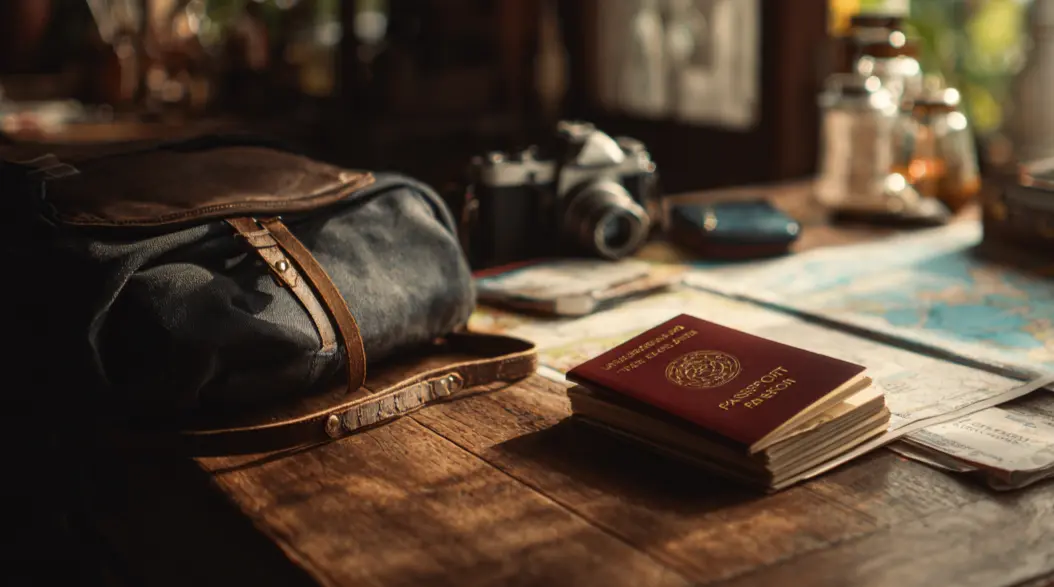
Before You Go
Visa e-visa or on arrival, passport validity 6 months, recommended vaccinations and travel insurance to arrange before departure.
7 articles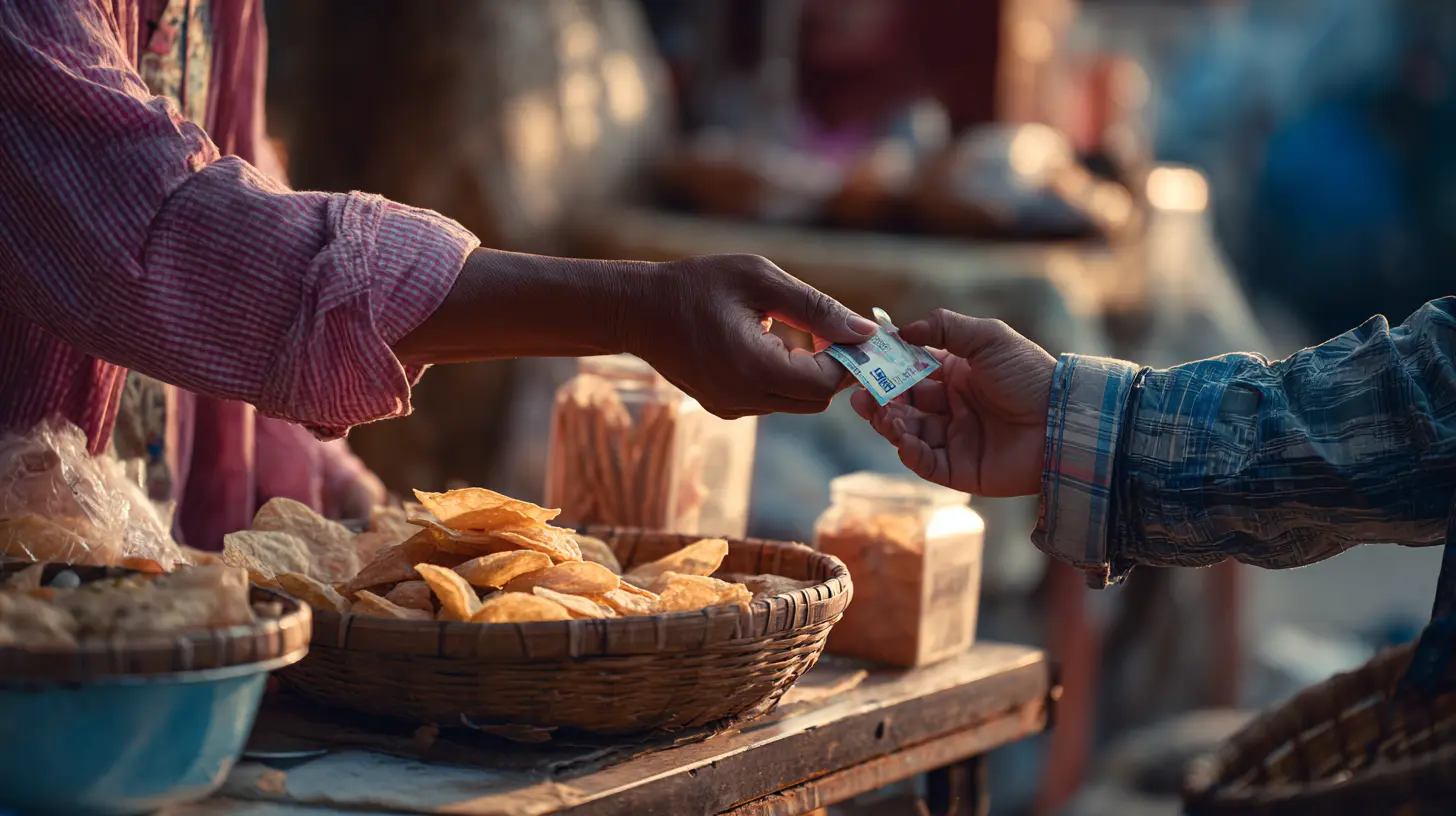
Budget & Money
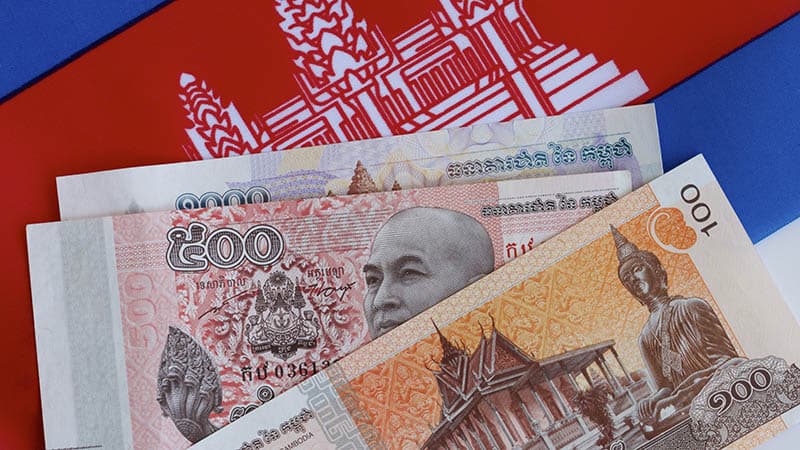
Cambodian riel and US dollar in circulation, daily budget of 80 to 150 USD/person, cash-based payments predominant, and tipping practices.
2 articles
Climate & Season
Dry season from November to April, rainfall from May to October, temperatures ranging from 25 to 35°C depending on the region and altitude.
1 article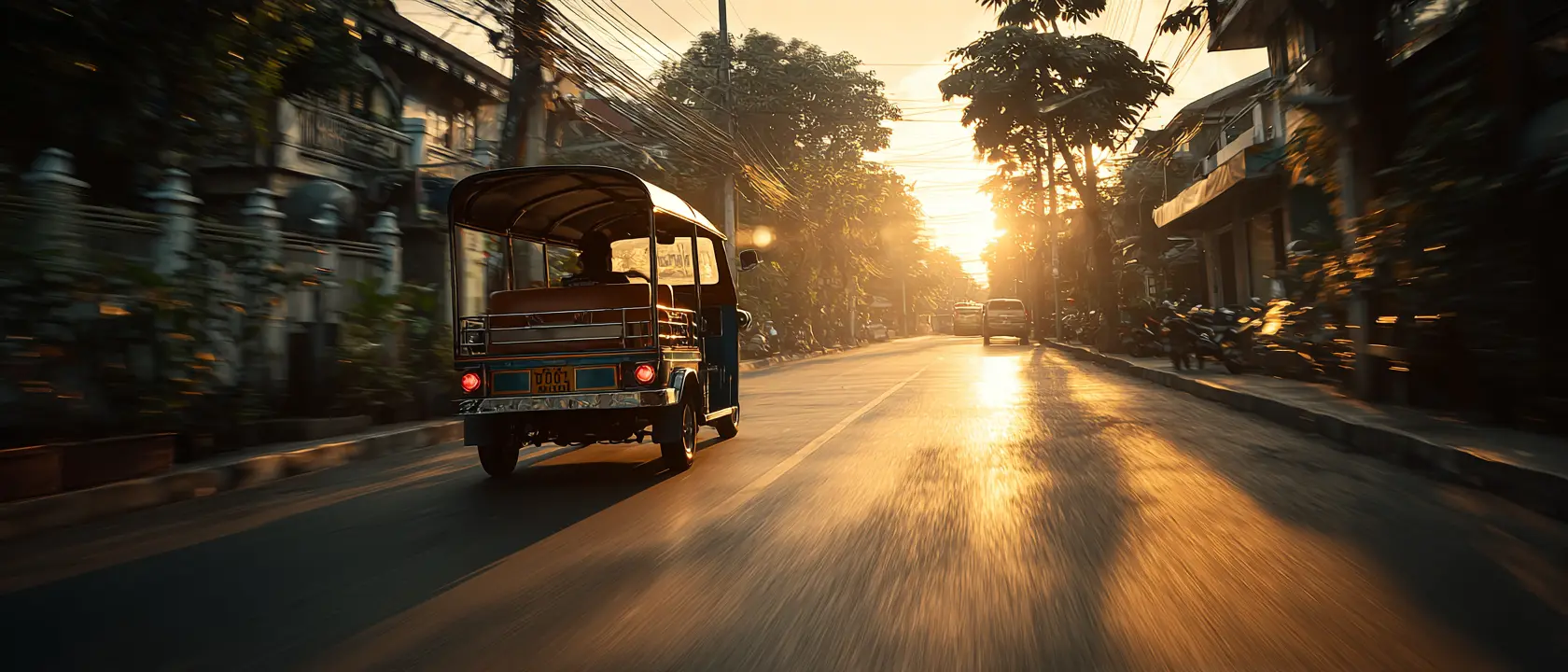
Transports
Domestic flights Phnom Penh-Siem Reap, paved roads on main routes, 4x4 useful in Mondulkiri, boats on the Tonlé Sap.
4 articles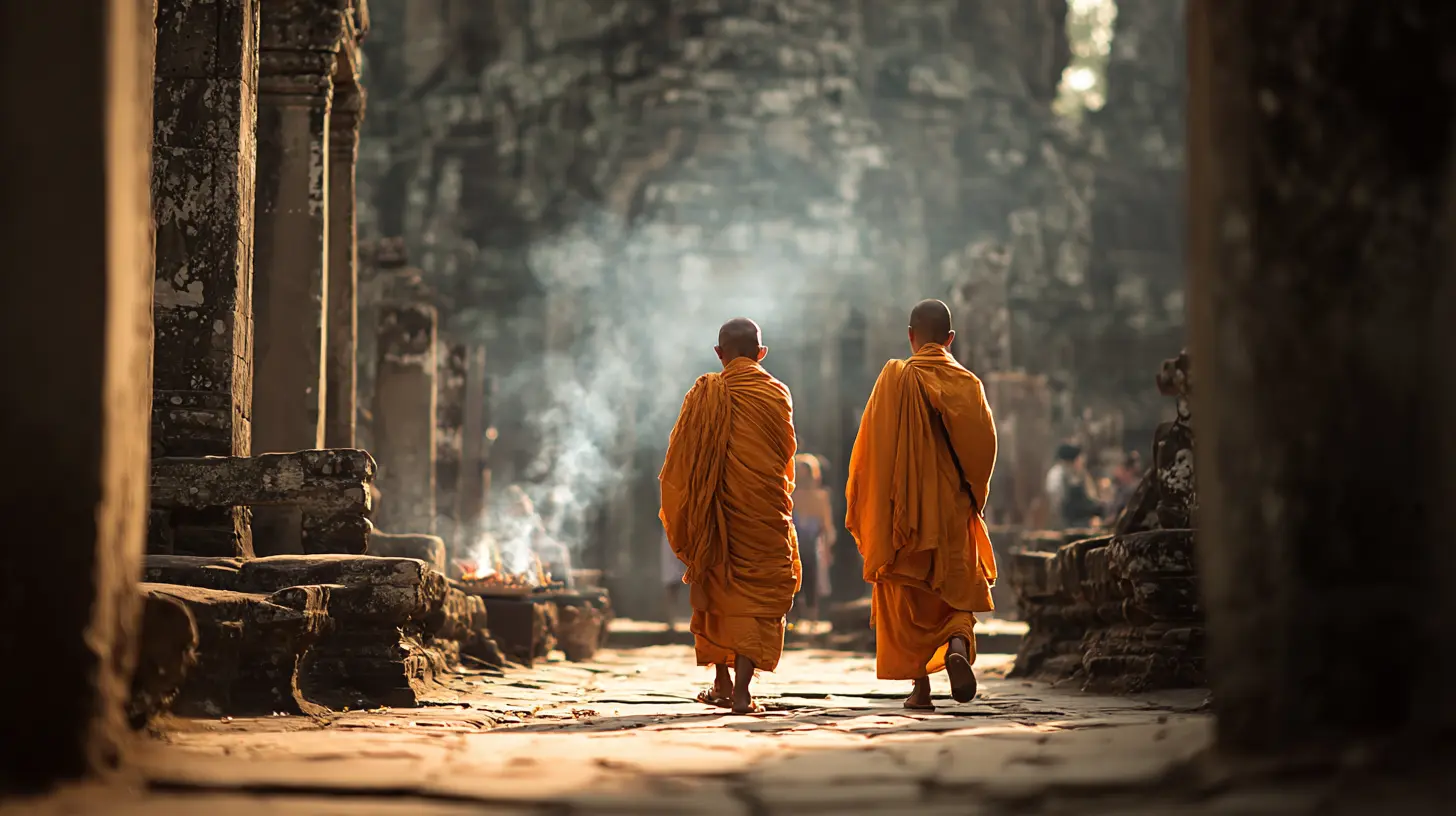
Culture
Traditional sampeah greeting, covered attire in Buddhist temples, respect for monks and daily codes to know.
8 articles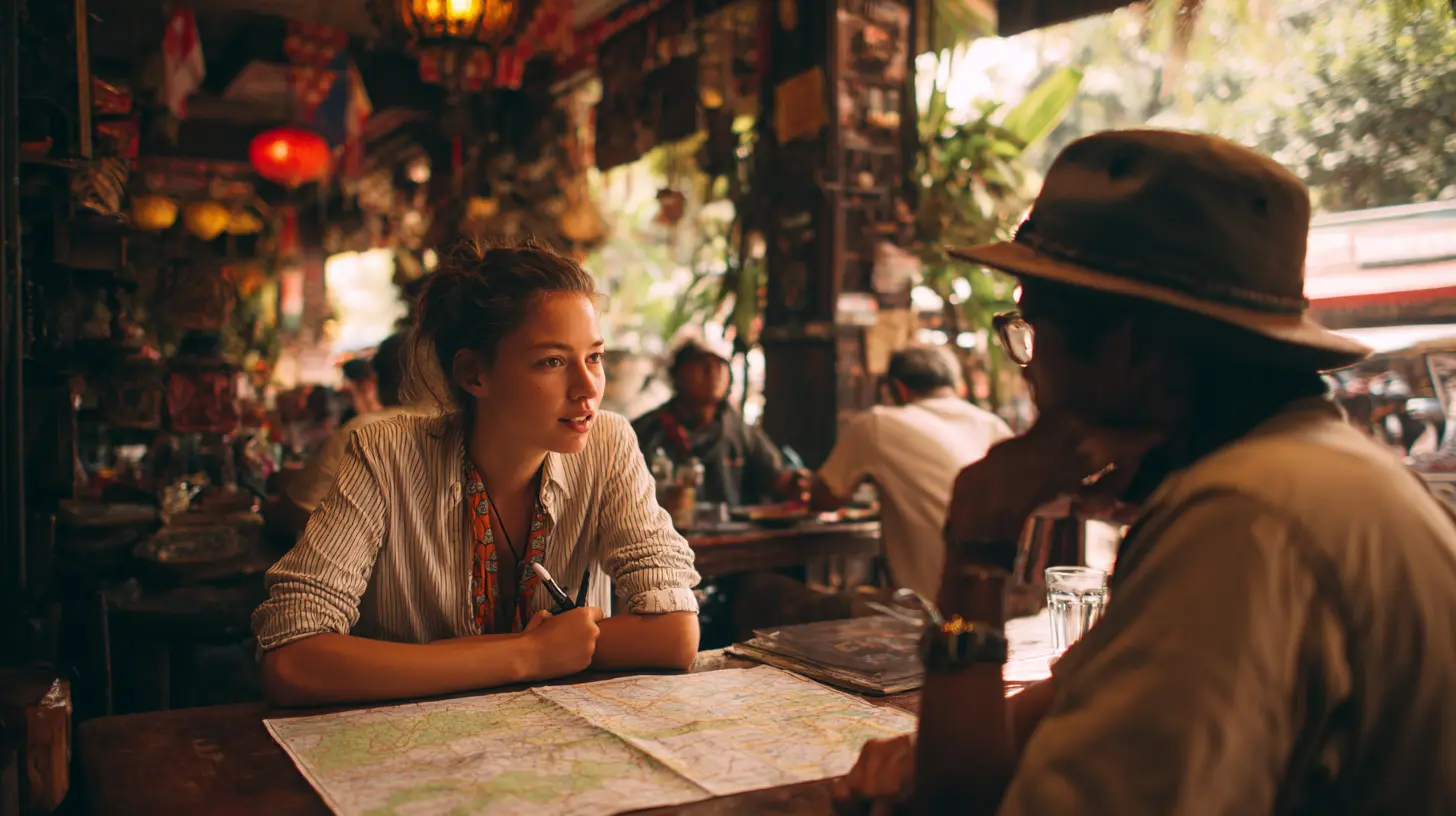
Useful Tips
Overall good security, bottled water essential, 230V outlets type A/C/G, decent 4G coverage and health advice from our team.
6 articlesAll practical guides
Search and filter among 28 articles





18 of 28 results
Frequently asked questions
The answers to the most frequently asked questions from our travellers.
Yes, a visa is required. You have two options: **E-visa:** Apply online approximately three days before departure. The e-visa is valid for 30 days and can be used at major international airports and land border crossings. **Visa on arrival:** Available at international airports and main land border crossings. You will need a valid passport, one blank page, and a passport-sized photograph. Payment is in cash. Your passport must be valid for at least six months from your date of entry and must have at least one blank page. For stays exceeding 30 days, an extension may be possible through local agencies. Please verify current visa requirements, fees, and procedures with the embassy or consulate of your destination country and with your own country's authorities before travelling.
No vaccines are mandatory upon entry, except yellow fever if you are coming from a country where it is circulating. Our team recommends updating your DTP-pertussis vaccination, and planning for hepatitis A and B, typhoid, and rabies if you intend to visit rural areas or stay for an extended period. Japanese encephalitis should be discussed for prolonged trips during the rainy season in rice paddies. Malaria remains present in forested border areas (Mondulkiri, Ratanakiri, Preah Vihear), but not in Angkor, Phnom Penh, or coastal regions. Dengue circulates year-round, making insect repellents and long sleeves at dusk essential. A consultation at an international vaccination center 4 to 6 weeks before departure allows for protocol adjustment.
Excluding international flights, budget between USD 80 and 150 per day per person for comfortable travel with mid-range accommodations, private driver and guides at major sites. For simpler, independent travel, expect around USD 40 to 60 per day. As an indication: a meal in a local restaurant costs USD 4 to 8, a city tuk-tuk ride USD 2 to 5, entry to Angkor Park USD 37 for one day or USD 62 for three days, a flight Phnom Penh–Siem Reap approximately USD 90. Charming hotels range from USD 50 to 120 per night for a double room. The US dollar is accepted widely; the riel is used for change.
The dry season, from November to April, remains the most comfortable period, with peak visitor numbers between December and February, when temperatures reach a maximum of 30°C and nights are cooler. March and April become very hot, up to 38°C in Angkor. The rainy season, from May to October, should not be ruled out: showers fall mainly in the late afternoon, vegetation is lush, rice paddies are flooded, and sites are less crowded. September and October offer the highest water levels on the Tonlé Sap, ideal for floating villages. We simply avoid the roads in Mondulkiri in July and August, which can be difficult. For Angkor, a sunrise in January remains a privileged moment.
The main routes between Phnom Penh, Siem Reap, Battambang, Kampot and Sihanoukville are paved and accessible year-round, by private minivan or car with driver. Allow 5 to 6 hours of driving between Phnom Penh and Siem Reap, 4 hours to Kampot. The domestic flight Phnom Penh-Siem Reap (45 minutes) with Cambodia Angkor Air or Sky Angkor saves time on short stays. Boats connect Siem Reap to Battambang via the Tonlé Sap during the rainy season, and serve the islands from Sihanoukville. For Mondulkiri or Ratanakiri, a 4x4 is useful in the wet season. In the cities, tuk-tuks and PassApp (local equivalent of Uber) cover most journeys.
Yes, Cambodia is generally safe for travellers, including families. The main precautions concern bag snatching in Phnom Penh (keep bags on the inside away from the street, store phones safely in tuk-tuks) and road traffic, which is heavy and chaotic in cities. Tourist areas are well-managed. Some remote border areas carry a risk of landmines off the beaten path: stay on marked trails, which our guides systematically remind travellers about. In case of any issues, our team is available 24/7 during your stay. We provide a local emergency number upon arrival and a situation briefing before visiting rural areas.
Ready to travel to Cambodia?
Discover our tailor-made itineraries, designed by our local team. Each route adapts to your pace, your preferences and your travel season.
See our toursWe use cookies to improve your experience and measure our site's audience. You can choose what you accept. Learn more.