What to Do in Kampot, the Pepper City
From the Teuk Chhou River to pepper plantations, Bokor to salt marshes, Kampot offers a rich blend of nature, history, and local craftsmanship.
16 Dec. 2023Situated 148 km from Phnom Penh, in southwestern Cambodge, the town of Kampot is a peaceful haven dominated by Bokor mountain. Renowned for its celebrated Kampot pepper plantations and picturesque surroundings, it ranks among the must-see destinations on a Cambodge journey. Here's everything to do and see during a stay in Kampot.
Explore Kampot's Town Center
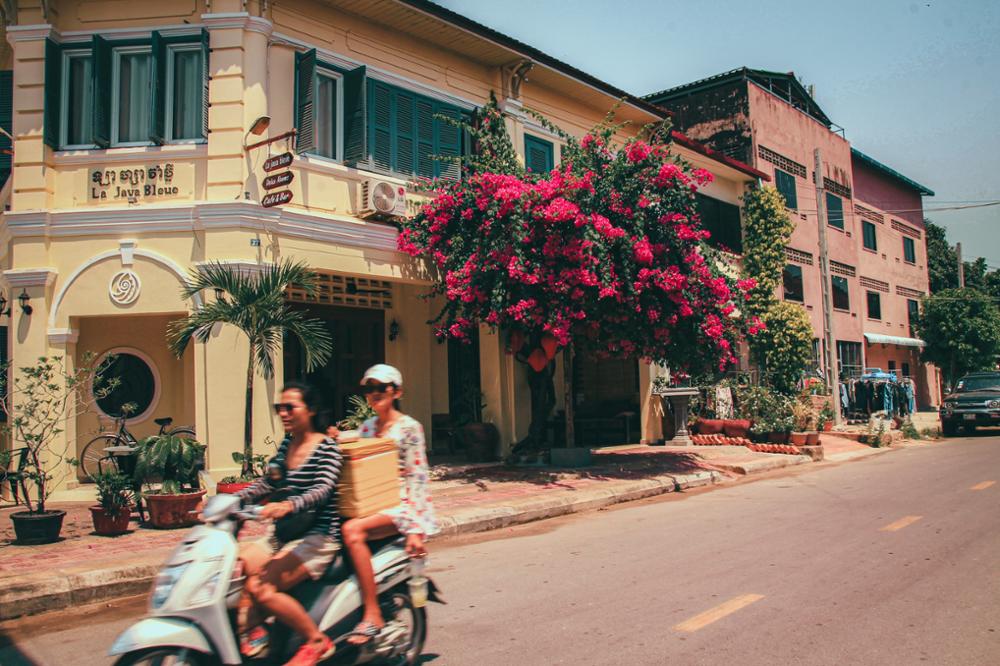
Blending French and Khmer architectural heritage, Kampot's town center and riverside district harbor numerous period buildings and structures. Among them are weathered colonial shophouses, some ravaged by time and abandonment, alongside aged administrative offices.
To journey through the city's past, explore on foot or rent a bicycle. Key landmarks include the National Bank, which survived Khmer Rouge destruction, and the old royal cinema, now known as the Old Cinema Hotel.
Visit Kampot Provincial Museum
Eager to delve deeper into the town's history? Head to the Kampot Provincial Museum. Once home to the French governor's residence, this building now houses exhibitions on the city's and province's past. Within, discover countless artifacts, narratives, and photographs.
Visit a Kampot Pepper Plantation
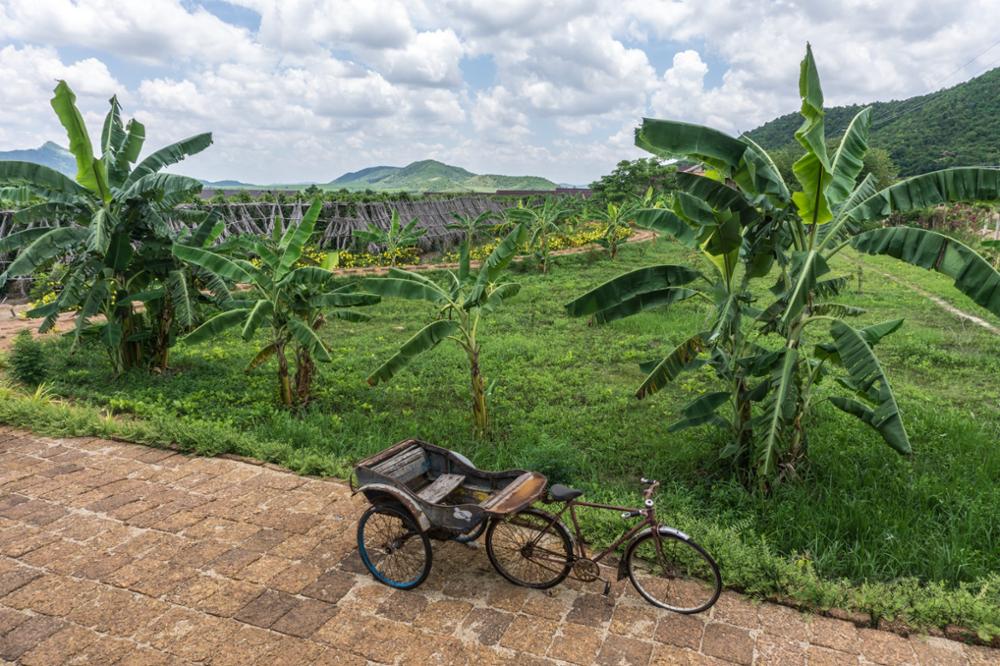
No trip to Kampot is complete without visiting one of the region's pepper plantations. A true culinary source of national pride, Kampot pepper is considered among the world's finest. It ranks among "origin" peppers and was the first Cambodge agricultural product to receive a Protected Designation of Origin (PDO).
To discover production methods and taste Kampot's varied peppers (black, white, green...), enjoy complimentary visits with tastings at Sothy's Farm or La Plantation.
See Kampot's Salt Marshes
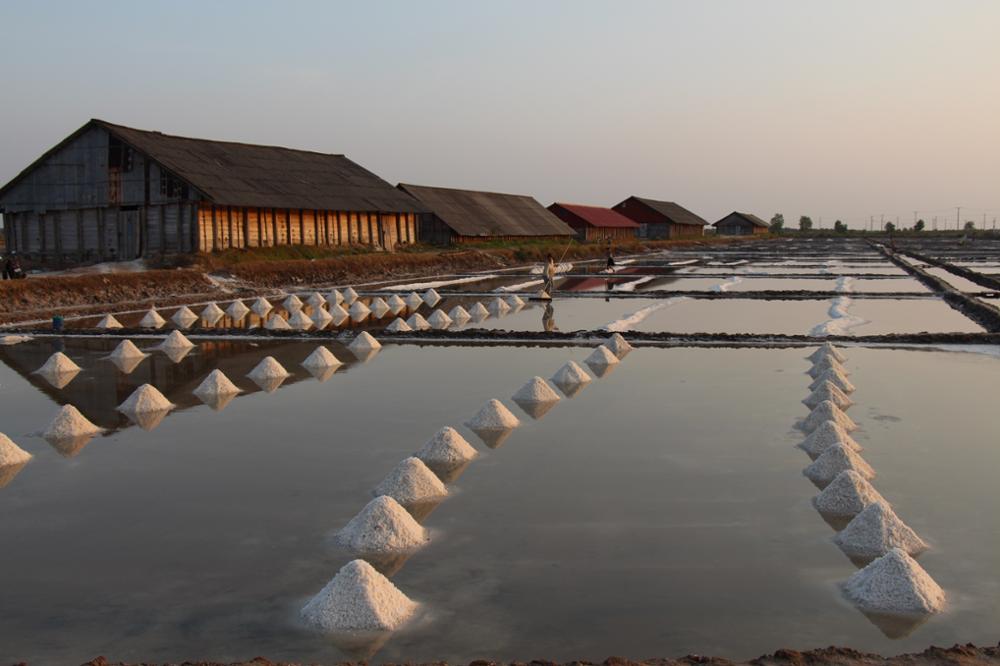
Beyond its famed pepper, Kampot is recognized for local fruit production (durians, coconuts, mangoes...) and salt production. Indeed, roughly 5 minutes from Kampot toward Kep, the Kampot salt marshes form striking, pristine landscapes.
To understand salt production stages and purchase local products, visit the Salt Exhibition Center, which combines a working farm, museum, and small shop.
Explore Bokor National Park (Preah Monivong National Park)
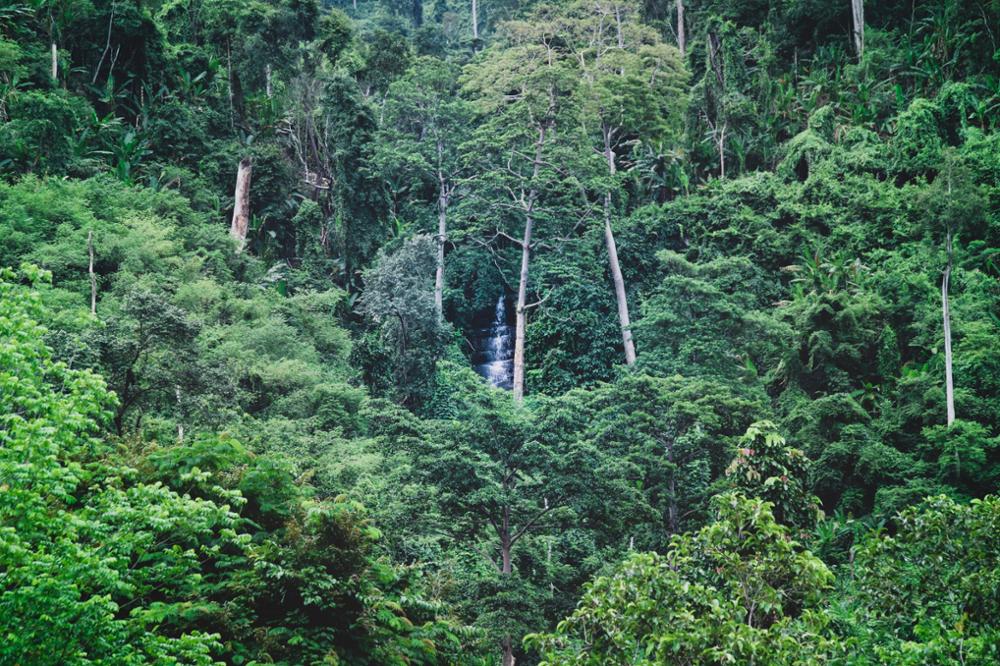
Also known as Preah Monivong National Park, Bokor National Park is a former French hill station perched on a plateau roughly 1,000 meters above sea level. Built in the 1920s, the station served as a retreat for French colonists. It originally housed a casino, Catholic church, and town hall. Later abandoned and then favored by Khmer high society—including the royal family—it eventually fell into disuse again.
Beyond historical remnants, this park is one of the country's most extensive protected zones. Numerous hiking trails wind through the natural reserve, offering splendid regional vistas. The site also features Popokvil Falls, a cascade system perfect for swimming.
Kayak or Boat Rides on Prek Teuk Chhou River
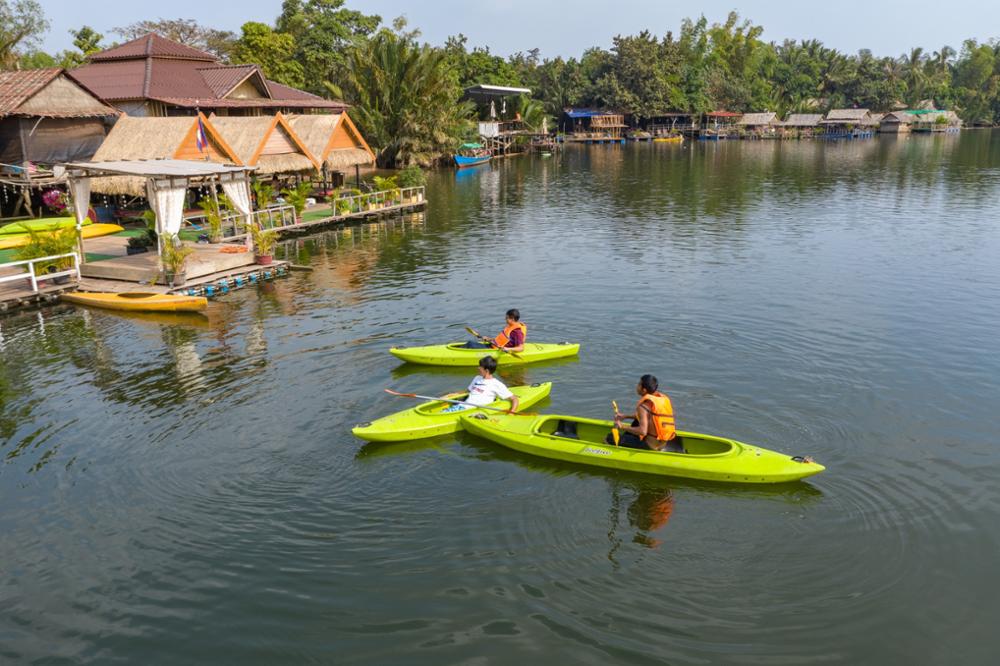
The Teuk Chhou River winds through Kampot from north to south. Threading tropical forests and villages with mountains as backdrop, it offers an ideal setting to kayak or boat around.
To discover these natural wonders and witness daily life among locals and fishermen, rent a kayak for a loop toward the mangroves. Paddle past traditional stilt-built homes and lush jungle.
For boat excursions, board a longtail for scenic explorations. Time it for sunset to capture breathtaking light.
Visit Phnom Chhnork Cave Temple
Nestled on a hillside amid rice paddies, northeast of Kampot, Phnom Chhnork is a Hindu cave temple dedicated to Shiva. Constructed in the 7th century during the Funan period, its interior features stalactites encircling a small brick sanctuary. Visit late afternoon for optimal light. Look up—you may spot bats!
Florine Dergelet
Florine DergeletA web writer for over a decade, Florine Dergelet is a traveler driven by the desire to discover the world with an open heart. Each of her articles invites readers to slow down, listen, and understand. For her, travel isn't about checking countries off a map, but weaving connections—often invisible yet always powerful—with places, peoples, and creatures across the animal kingdom. Her philosophy? Guide travelers ethically, raise awareness on animal welfare, cultural respect, and humble, sustainable tourism. Because life's most treasured memories often bloom away from the spotlight—along a quiet trail, in conversation's shadow, or in the gentle breath of a world we finally take time to hear…