Tobacco Fields of Kampong Cham
Tobacco Fields of Kampong Cham
Along the Mekong, the tobacco plantations of Kampong Cham reveal agricultural know-how inherited from the colonial era and still very much alive today.
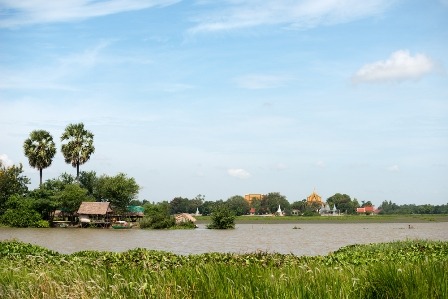
Along the Mekong, around Kampong Cham, tobacco fields sketch an agricultural landscape that has marked the province for over a century. Cultivated on the fertile riverbanks, tobacco sits alongside rice, rubber, sesame, beans and various cereals. This region still concentrates a large share of Cambodia's production today.
Why visit the tobacco fields
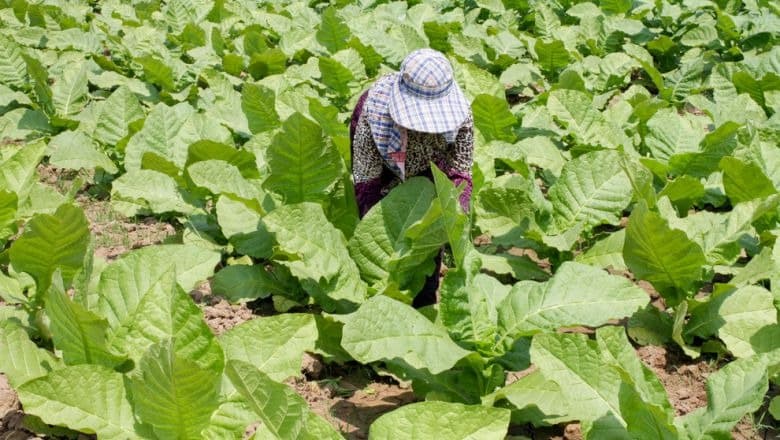
A visit to the plantations offers a concrete insight into Cambodia's rural economy. You'll observe skills passed down through generations, from transplanting young seedlings to drying leaves in characteristic wooden huts dotting the fields. It's also an opportunity to meet farming families whose daily rhythm follows the Mekong and its seasonal floods.
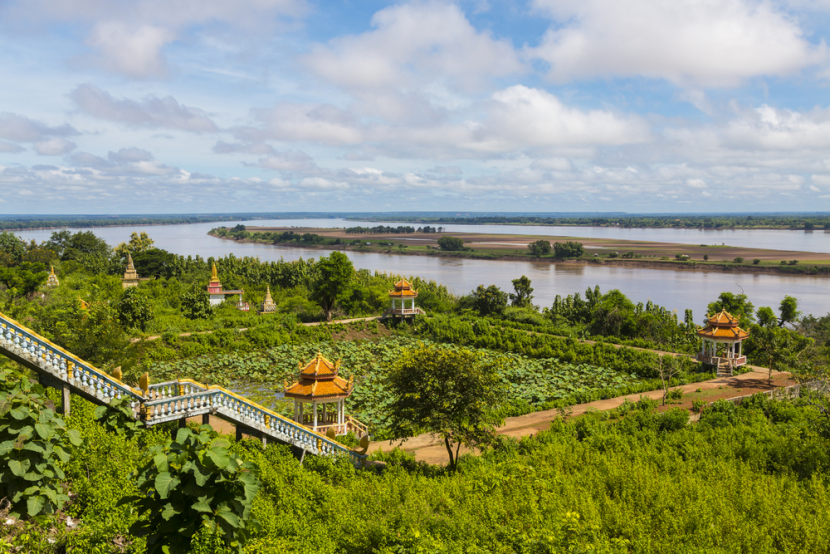
Unlike the country's monumental sites, the appeal here lies in the authenticity of agricultural practice and the river landscape, dotted with coconut groves, banana plants and traditional Khmer villages.
A history tied to the Mekong and the colonial period
Tobacco cultivation in Kampong Cham dates back at least to the 19th century. Under the French protectorate (1863-1953), the colonial administration structured and developed several agricultural sectors in the province: rubber plantations on a large scale in the red-soil lands of the northeast, as well as tobacco, sesame and soy on the alluvial riverbanks. The fertile soils deposited each year by the Mekong's floods, combined with a tropical climate of marked seasons, made the region an ideal terroir for this crop.
After the turbulent years of the second half of the 20th century, cultivation gradually rebuilt itself, largely through family and village farming. Today, Kampong Cham tobacco primarily serves the national market.
What to see on site
Plantations along the Mekong
Plots often stretch across sandbanks and riverbanks, accessible on foot or by dugout canoe depending on the river level. The plants, over a meter tall at maturity, line their light-green leaves in regular rows.
Traditional wooden drying houses
The most recognizable element of the tobacco landscape, these wooden huts with palm-leaf roofing are used to hang leaves for air-drying. Their slender silhouettes, sometimes two stories high, punctuate the fields and testify to utilitarian architecture typical of the region.
Transformation stages
With a guide, you'll follow the sequence of operations: leaf-by-leaf harvesting, sorting by maturity, suspension in drying houses, then pressing into bundles. Each stage takes several days and determines final quality.
When to visit
The dry season, from November to April, corresponds to the most active period: harvesting, drying and conditioning are in full swing. It's also when the Mekong's riverbanks are accessible and rural paths remain passable.
From June to October, the monsoon floods certain parcels and makes travel more challenging. The months from December to February, cooler and drier, are most comfortable for visiting.
Practical information
- Plan for 1 to 2 hours on site depending on your interest in the process.
- Bring a hat, water and closed shoes: the fields are in full sun.
- Visits are most often arranged with an English-speaking guide from the town of Kampong Cham.
- A contribution to farming families is generally expected; your guide can advise you.
- Photographing farmers: always ask permission first.
How to get there
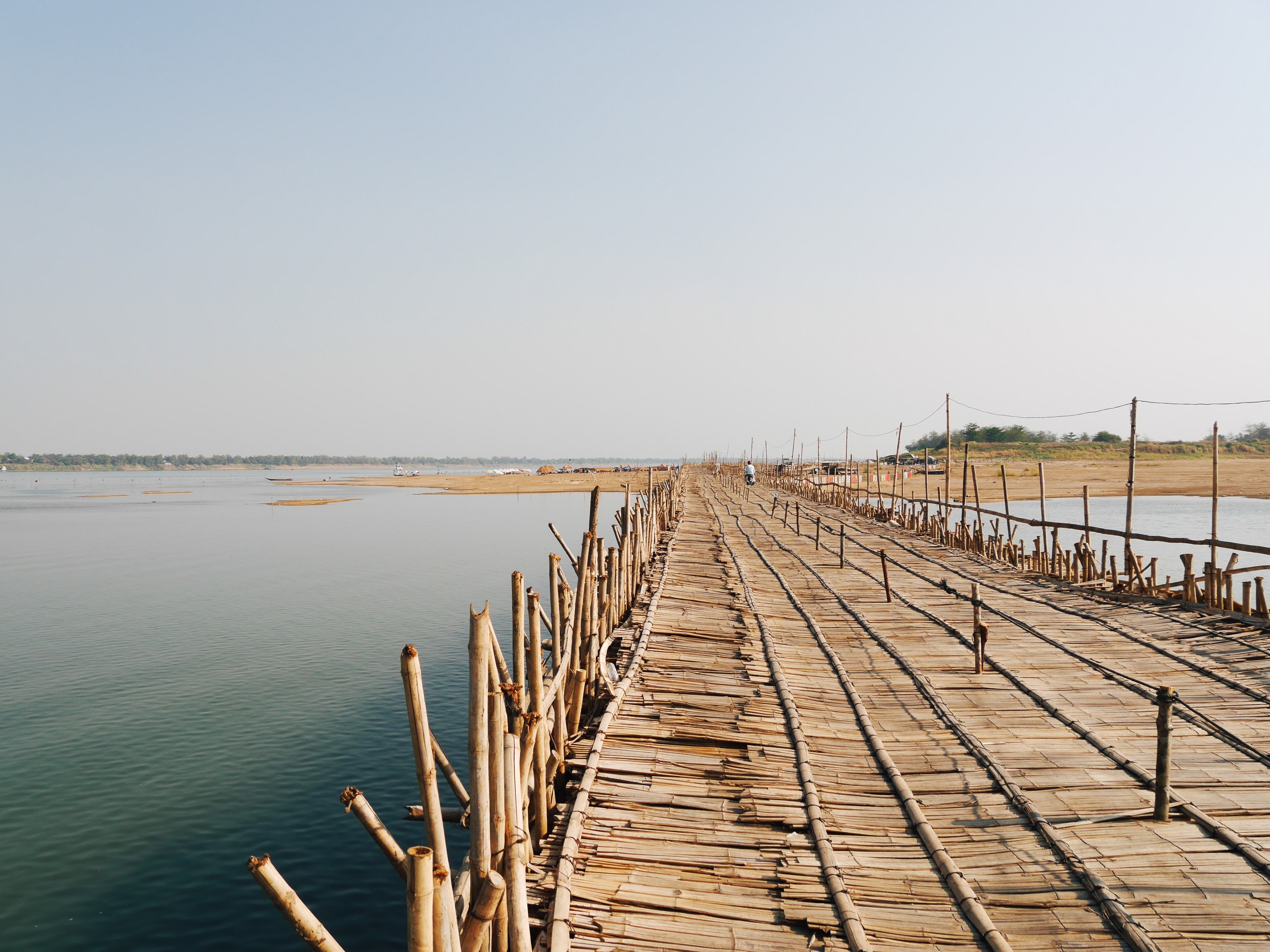
From central Kampong Cham, the main plantation zones lie along the Mekong, north and south of the town, as well as on Koh Pen island accessible by a bamboo bridge in the dry season. A tuk-tuk is the simplest option, with rides lasting 20 to 40 minutes depending on which fields you visit. Cycling is also a popular way to combine several agricultural villages in a half-day outing.
From Phnom Penh, Kampong Cham is reached in about 3 hours by road via National Highway 7.
Nearby attractions
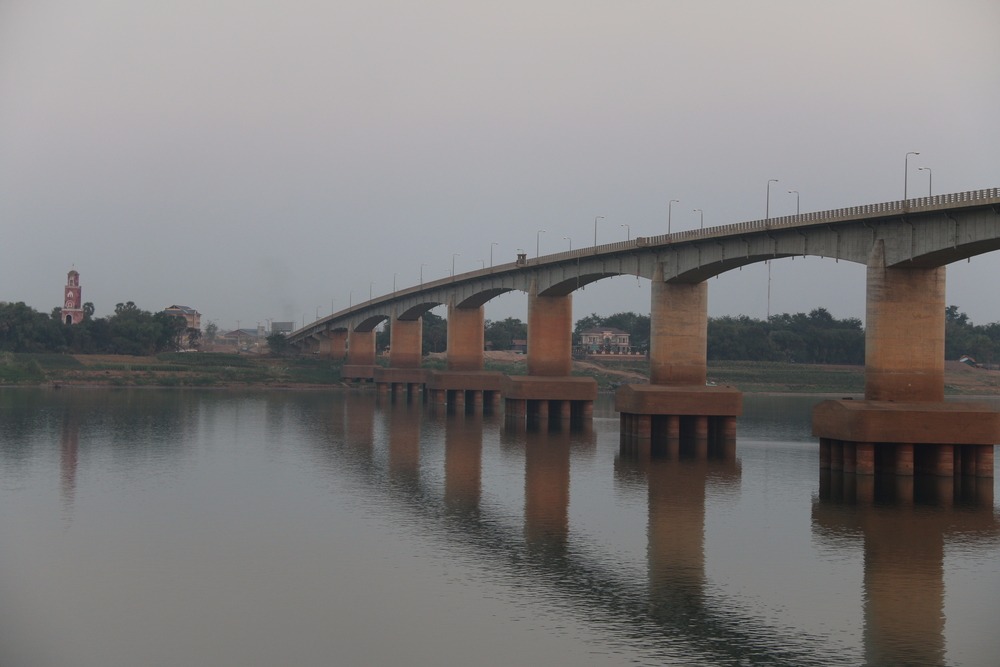
- Kampong Cham: a bridge town on the Mekong, rich in French colonial architecture.
- The Cambodia-Vietnam Friendship Monument, on the riverbanks.
- The coffee plantations of Mondulkiri, another facet of Cambodian agriculture, further east.
Plan your trip
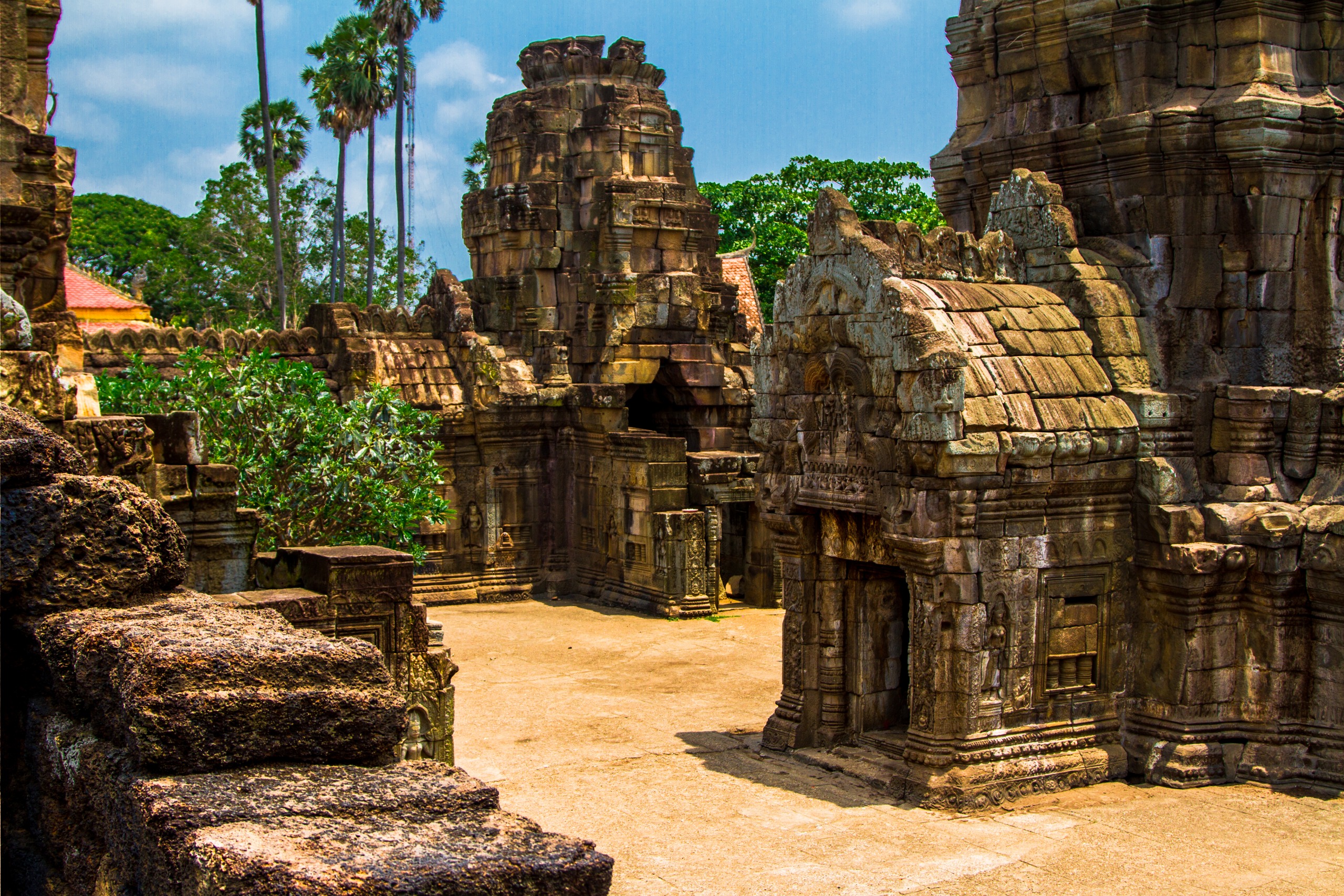
The tobacco fields fit naturally into an itinerary combining Kampong Cham, the Mekong's shores and discovery of Khmer temples. To design a tailor-made stay, explore our trips to Cambodia.
Nearby
Interested in this visit?
We can include it in your personalised itinerary.