Phnom Tamao Zoological Park and Wildlife Rescue Center (PTWRC)
An hour from Phnom Penh, Phnom Tamao rescues wildlife confiscated from illegal trafficking. Tigers, gibbons, and Asian elephants thrive in forest enclosures, supported by Wildlife Alliance's conservation mission.
The Phnom Tamao Zoological Park and Wildlife Rescue Center (PTWRC) is Cambodia's largest zoo, located in Takeo Province about an hour south of Phnom Penh by road. This is no ordinary zoo: the facility rescues wildlife confiscated from illegal trafficking networks or recovered injured from the wild, with the goal of rehabilitation and, whenever possible, release back into nature. The dense forest surrounding the enclosures creates an atmosphere strikingly different from typical urban zoos.
Quick Facts
- Admission: Paid entry (separate rates for foreign visitors and residents; proceeds directly support conservation efforts).
- Access: Private car, tuk-tuk, or taxi from Phnom Penh; no direct public transport.
- Recommended duration: 2 to 4 hours depending on your interest in wildlife.
- What to wear: Closed-toe shoes recommended (earthen trails can become muddy during the rainy season).
- Animals: Do not feed animals without explicit permission from staff.
What You'll See
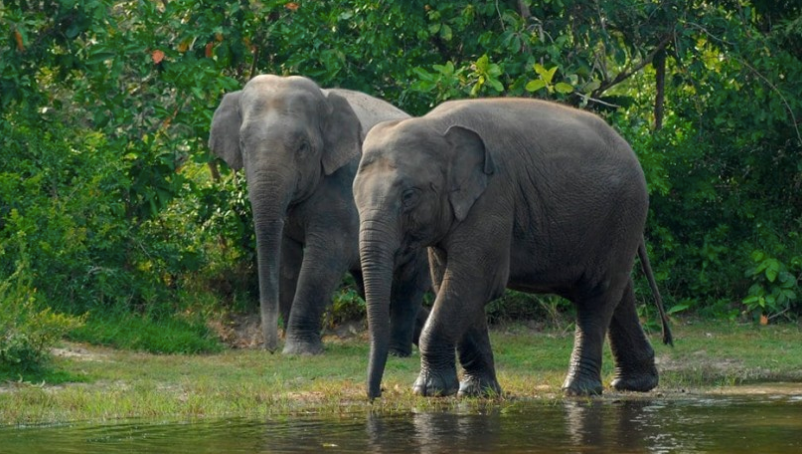
The park is home to hundreds of species, many endangered across Southeast Asia. Tigers, leopards, sun bears, gibbons, elephants, and saltwater crocodiles rank among the most iconic residents. Reptiles, rare birds, and primates round out the collection. Enclosures are spacious and integrated into the forest landscape, making wildlife observation far more natural than in urban settings.
History and Context
The site was established in partnership with the NGO Wildlife Alliance (formerly WCS Cambodia), which manages all rehabilitation programs. Phnom Tamao has become a symbol of Cambodia's fight against poaching and illegal wildlife trade. Each animal here has a story: confiscation at border checkpoints, seizure from underground markets, or rescue following injury.
Highlights of Your Visit
Gibbons and Primates
The gibbon rehabilitation program stands among Southeast Asia's most active. Some individuals are visible in expansive forest enclosures before gradual release into the wild. Watching their movements through the canopy remains one of the most memorable moments.
Big Cats
Tigers and leopards inhabit wooded enclosures. The presence of these increasingly rare species in Cambodia underscores the scale of trafficking the center battles daily.
Elephants
Several Asian elephants reside at the park. Supervised interactions are sometimes available; ask Wildlife Alliance staff on-site for current options and details.
The "Behind the Scenes" Program
Wildlife Alliance offers in-depth guided tours providing access to veterinary care facilities and rehabilitation operations. These tours are paid experiences and must be reserved in advance directly with the organization.
Photography Tips
Early morning light, from opening until around 10 a.m., is ideal: animals are most active and the heat hasn't yet become oppressive. Forest enclosures create contrasting shadow zones; use a higher ISO setting to compensate. Avoid using flash near animals. Check with staff about photography restrictions in specific areas.
Location and Getting There
The park sits in Takeo Province approximately 45 km south of Phnom Penh via National Road 2. Most visitors arrange private taxis or tuk-tuks from the capital for the roughly one-hour journey. No regular buses serve the site directly. Parking is available on-site. Accessibility for visitors with mobility challenges is limited due to earthen trails and forested terrain.
Nearby Attractions
- Royal Palace of Phnom Penh — official royal residence, approximately one hour north by road.
- National Museum of Phnom Penh — major Khmer collection in the city center.
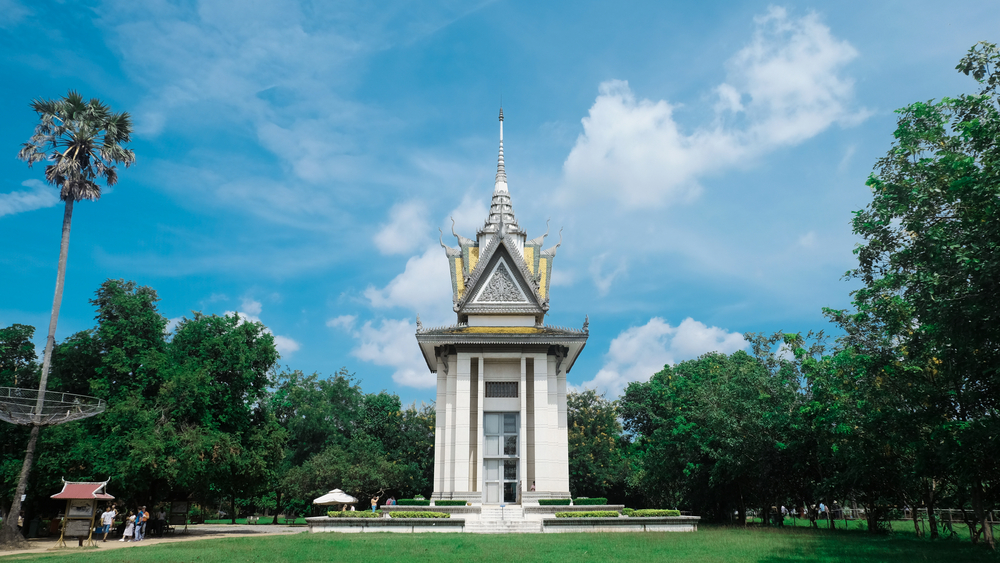
- Choeung Ek (Killing Fields) — historical memorial south of Phnom Penh, en route back from Phnom Tamao.
Frequently asked questions
The dry season (November to April) is most comfortable: trails are passable and morning temperatures are more manageable. During the rainy season, some paths become muddy; bring appropriate footwear.
Yes. Depart Phnom Penh early, spend the morning at the park, and return to the city center by early afternoon. Aim to leave by 8 a.m. to enjoy cooler temperatures and peak animal activity.
Yes, the range of species and forested setting appeal to children. Bring plenty of water, sunscreen, and closed-toe shoes. Supervise children around enclosures and follow all staff instructions.
This tour is organized by Wildlife Alliance. Contact the organization directly through their official website to check availability and pricing, which varies by tour option.
No. All animals live in enclosures, often spacious and forest-integrated. Some gibbons in advanced rehabilitation phases inhabit semi-open areas, but always under close supervision.
Yes. Admission fees and paid programs directly fund veterinary care, animal food, and anti-poaching operations conducted by Wildlife Alliance across Cambodia's forests.
Interested in this visit?
We can include it in your personalised itinerary.