Prek Toal
A bird reserve at the heart of Tonlé Sap, Prek Toal protects colonies of endangered woolly-necked storks, pelicans, and painted storks. A boat journey through flooded forest, far from the beaten path.
Prek Toal is a bird reserve nestled at the northwestern tip of Tonlé Sap lake in Cambodia. This sanctuary harbors one of Southeast Asia's largest colonies of rare waterbirds, including several species threatened on a global scale. Visits are conducted by boat through a flooded forest ecosystem that transforms dramatically with the seasons.
Quick Facts
- Access: boat departures from Siem Reap (via Chong Kneas village) or from Battambang; journey takes several hours depending on departure point.
- Best time: dry season (December to April), when water levels drop and birds nest in dense colonies.
- Recommended duration: full-day excursion; early morning departure advised.
- Entrance: reserve admission fee required; local guide mandatory for access to nesting zones.
- Dress code: lightweight clothing covering arms and legs (mosquitoes), hat, sunscreen.
What You'll See
The reserve hosts breeding colonies of woolly-necked storks (Leptoptilos javanicus), Australian pelicans (Pelecanus conspicillatus) and painted storks (Mycteria leucocephala), all classified as vulnerable or endangered. During the dry season, trees emerge from the water covered in hundreds of nests. The landscape of drowned forest, with silvered trunks reflected in brown water, is striking.
History and Context
Tonlé Sap was designated a UNESCO Biosphere Reserve in 1997. Prek Toal forms its ornithological heart. The reserve was established to protect nesting species threatened by hunting and egg collection. Community programs engage local fishermen in site monitoring, transforming former poachers into paid guardians.
Visit Highlights
Nesting Colonies
Between January and March, submerged trees welcome thousands of birds simultaneously. The noise, smells and visual spectacle are intense. A wooden observation post allows close approach without disturbing the nests.
Navigation Through Flooded Forest
The boat journey through the flooded forest's waterways is an experience unto itself. Branches intertwine above the water, creating vegetated tunnels inhabited by kingfishers and herons.
Prek Toal Floating Village
At the reserve's entrance, an entire village lives on the water: stilt houses, schools, shops perched on platforms or boats. It offers concrete insight into the life of Tonlé Sap's communities.
Photography Tips
Golden morning light (between 6 and 8 a.m.) is ideal for photographing the colonies. A telephoto lens (200 mm minimum) is essential to avoid disturbing birds. Flash is prohibited in nesting zones. Reflections of trees in the water offer beautiful compositions later in the morning.
Location and Access
Prek Toal sits on the northwestern shore of Tonlé Sap lake, several hours by boat from Siem Reap. Most visitors organize excursions from Siem Reap, via the Chong Kneas dock. Access from Battambang is also possible, combining the visit with a descent down the Sangker River. An accredited local guide is required to enter the reserve's central zone.
Nearby
- Tonlé Sap Lake — Southeast Asia's largest freshwater lake, of which Prek Toal is one of the protected sanctuaries.
- Chong Kneas Floating Village — usual departure point for excursions, a lake village accessible from Siem Reap.
- Battambang — colonial town featuring French architecture, alternative access point to Prek Toal via the river.
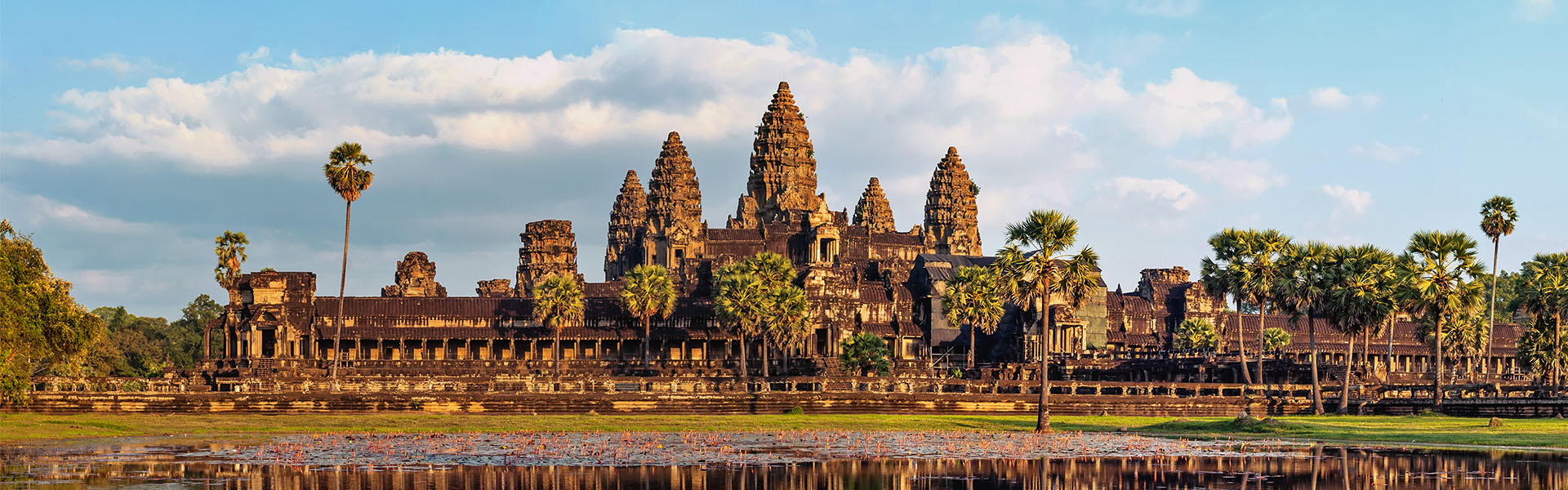
- Angkor Wat — the temples of Angkor, approximately two hours by road from Siem Reap, make a natural combination for any stay in the region.
Frequently asked questions
The dry season, from December to April, is optimal. Low water levels concentrate the birds and nesting colonies peak between January and March.
Yes, an accredited local guide is mandatory to access nesting zones. This is typically included in organized excursions from Siem Reap or Battambang.
Yes. Prek Toal is visited from Siem Reap, the usual base for Angkor. Plan a full day dedicated to the reserve, separate from temple visits.
Binoculars, telephoto lens if photographing, mosquito repellent, hat, sunscreen and lightweight covering clothing. Water and snacks should be brought, as facilities on site are limited.
The long boat journey can be tiring for very young children. For children aged 7-8 and older with an interest in nature, the experience is generally highly enjoyable.
Interested in this visit?
We can include it in your personalised itinerary.