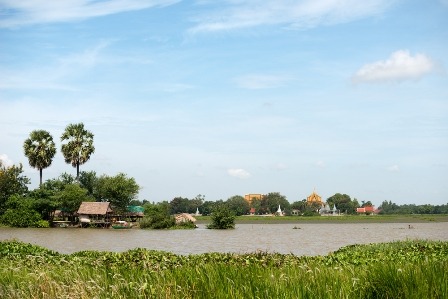
Pu Luong
Terraced rice fields, Thái stilt villages and pristine primary forest: Pu Luong is a nature reserve in northwest Vietnam, less visited than Sapa, ideal for 2 to 3 days.
Pu Luong is a nature reserve in northwest Vietnam, in Thanh Hóa province, bordering Hòa Bình province. Its terraced rice fields, Thái ethnic villages and primary forests make it a quieter alternative to Sapa or Mai Châu. The karst limestone terrain, rivers and waterfalls shape a living agricultural landscape, cultivated for centuries.
Quick Practical Info
- Access from Hanoi: approximately 160 km, by bus or private car to Bá Thước, then local road to villages.
- Recommended duration: 2 to 3 days to combine trekking, villages and waterfalls.
- What to wear: light but modest clothing for village visits; trekking shoes essential.
- Entry: reserve access requires entrance fee; enquire at your local accommodation.
What to See
Terraced rice fields dominate the landscape, particularly spectacular between July and October during the harvest season. The villages of Ban Hiêu, Don, and Kho Mường preserve traditional Thái stilt houses. The Cham River and its waterfalls—including the Hiêu waterfall—offer natural stops. The primary forest shelters notable biodiversity, with several endemic species recorded.
History and Context
Pu Luong nature reserve was officially established in 1999 to protect a mountain forest ecosystem and the way of life of the White Thái and Black Thái communities who have inhabited it for generations. Terraced agriculture, passed down through generations, shapes the territory as much as the karst geology.
Highlights of Your Visit
Terraced Rice Fields
July to October marks rice maturation: terraces shift from soft green to golden. This is the most photographed window. Outside this period, flooded terraces from March to May reflect the sky and offer another kind of beauty.
Thái Villages
Ban Don and Ban Hiêu allow you to observe stilt architecture and local textile crafts. Some homestays offer traditional meals and direct immersion into the community's daily life.
Hiêu Waterfall
Accessible on foot from several villages, this waterfall is one of the most accessible in the reserve. It makes a natural stop during treks through the valley.
Forest Treks
Trails cross primary forest toward ridgelines, with views over surrounding valleys. A local guide is recommended for high-altitude routes, as trails are poorly marked.
Photography Tips
Morning light, between 6 am and 9 am, is ideal for the terraces: low mist and soft backlighting. High viewpoints above Ban Don offer panoramas across multiple levels of terraces. Always ask permission before photographing locals.
Location and Access
Pu Luong lies in Bá Thước district, Thanh Hóa province. From Hanoi, the most common route passes through Hòa Bình and Mai Châu before reaching the valley. Buses connect Hanoi to Bá Thước; from the town, motorbike taxis or local vehicles serve the villages. The road is winding and partially unpaved in some sections.
Nearby Attractions
- Mai Châu — neighbouring valley, also home to Thái communities, more accessible and popular.
- Cúc Phương National Park — primary forest and primate rehabilitation centre, a few hours to the southeast.
- Ninh Bình — karst landscapes and historical sites, alternative starting point toward the northwest.
Frequently asked questions
July to October for golden, mature rice fields. March to May, flooded terraces offer interesting reflections. Avoid heavy rainy season (August-September) if you plan forest treks.
Not required for village walks. For high-altitude treks or deep forest exploration, a local guide is strongly recommended: trails are poorly marked and conditions can change quickly.
Yes. Several villages offer homestays with local families, as well as ecolodges. Advance booking is recommended during peak season (September-October).
The two sites are linked by mountain road. A 3 to 4-day itinerary from Hanoi allows one night in Mai Châu and two in Pu Luong, or vice versa.
Waterproof trekking shoes, light but modest clothing to respect local customs in villages, and a warm layer for cool mountain nights, even in summer.
Interested in this visit?
We can include it in your personalised itinerary.