Tonlé Sap - Chong Kneas
Just 15 km from Siem Reap, Chong Kneas is the most accessible floating village on Tonlé Sap. Boat-houses, fish cages and a temple on the water form an entirely aquatic daily life, governed by the seasonal floods of Southeast Asia's largest lake.
About fifteen kilometers south of Siem Reap, Chong Kneas is the most accessible floating village on Tonlé Sap Lake, Southeast Asia's largest freshwater lake. Hundreds of families—predominantly of Vietnamese and Khmer origin—live here on boat-houses and anchored platforms, their lives governed by seasonal floods that cause the lake's water level to fluctuate by several meters.
Practical information at a glance
- Access: road from Siem Reap towards Phnom Krom, then Chong Kneas pier.
- Transport: tuk-tuk or taxi from Siem Reap (approximately 30-minute journey).
- Visit: by motorized boat, essential for navigating between dwellings.
- Recommended duration: 1.5 to 2 hours for the boat excursion.
- Best time to visit: high water season (October-November) to see the lake at its peak; dry season to observe fishermen at work.
- Accessibility: boarding is challenging, with limited access for people with reduced mobility.
What to see
The village comprises colorful floating houses, a school, a small shop, and even a Buddhist temple on the water. Submerged fish cages line the dwellings—fishing remains the primary activity. During the dry season, some structures rest on stilts in the mud, revealing the extent of the seasonal rises and falls.
History and context
Tonlé Sap has been central to Khmer civilization for centuries: its rich fishing grounds fed the Angkor empire. Chong Kneas developed as a natural departure point between Siem Reap and the lake. Part of its population is of Vietnamese origin, settled for several generations, often living in precarious administrative circumstances.
Highlights of the visit
Daily life on the water
The boat glides past families cooking, washing clothes, or mending nets just centimeters above the water. Immersion is immediate and unfiltered.
Fish cages and fishing
Tonlé Sap produces a significant portion of the protein consumed in Cambodia. Watching fishermen haul their nets early in the morning gives concrete insight into the lake's economy.
The floating temple
A small Buddhist temple anchored on the lake welcomes the village's inhabitants. Its presence illustrates how religious life adapts to an entirely aquatic environment.
The view across the lake during the rainy season
In October-November, Tonlé Sap can expand across several thousand square kilometers. The water horizon stretching endlessly, dotted with submerged treetops, is a rare sight in Southeast Asia.
Photography tips
Golden light in the early morning (before 8 a.m.) or late afternoon is ideal for photographing reflections on the water and the colorful facades of houses. Avoid using flash when photographing residents—always ask permission first. Children are often photographed; remain mindful of not reinforcing organized begging dynamics.
Location and access
Chong Kneas is located approximately 15 km south of Siem Reap, on the road leading to Phnom Krom. Most visitors combine a visit here with the temple at Phnom Krom, perched on a hill just above the pier. Local agencies offer boat excursions from Siem Reap, sometimes coupled with an overnight stay on the lake or a visit to the village of Kompong Phluk, more remote but less frequented.
Nearby attractions
- Phnom Krom — 10th-century pre-Angkorian temple perched on a hilltop, with panoramic views over the lake.
- Kompong Phluk — a more authentic and less touristy stilt village, accessible by boat.
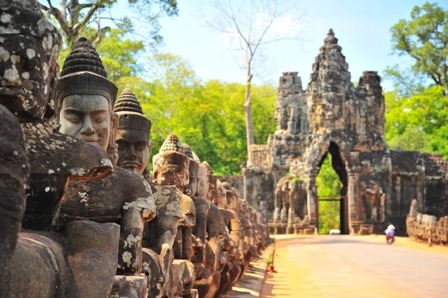
- Angkor Wat — the major temple complex of Siem Reap, approximately 20 km to the north.
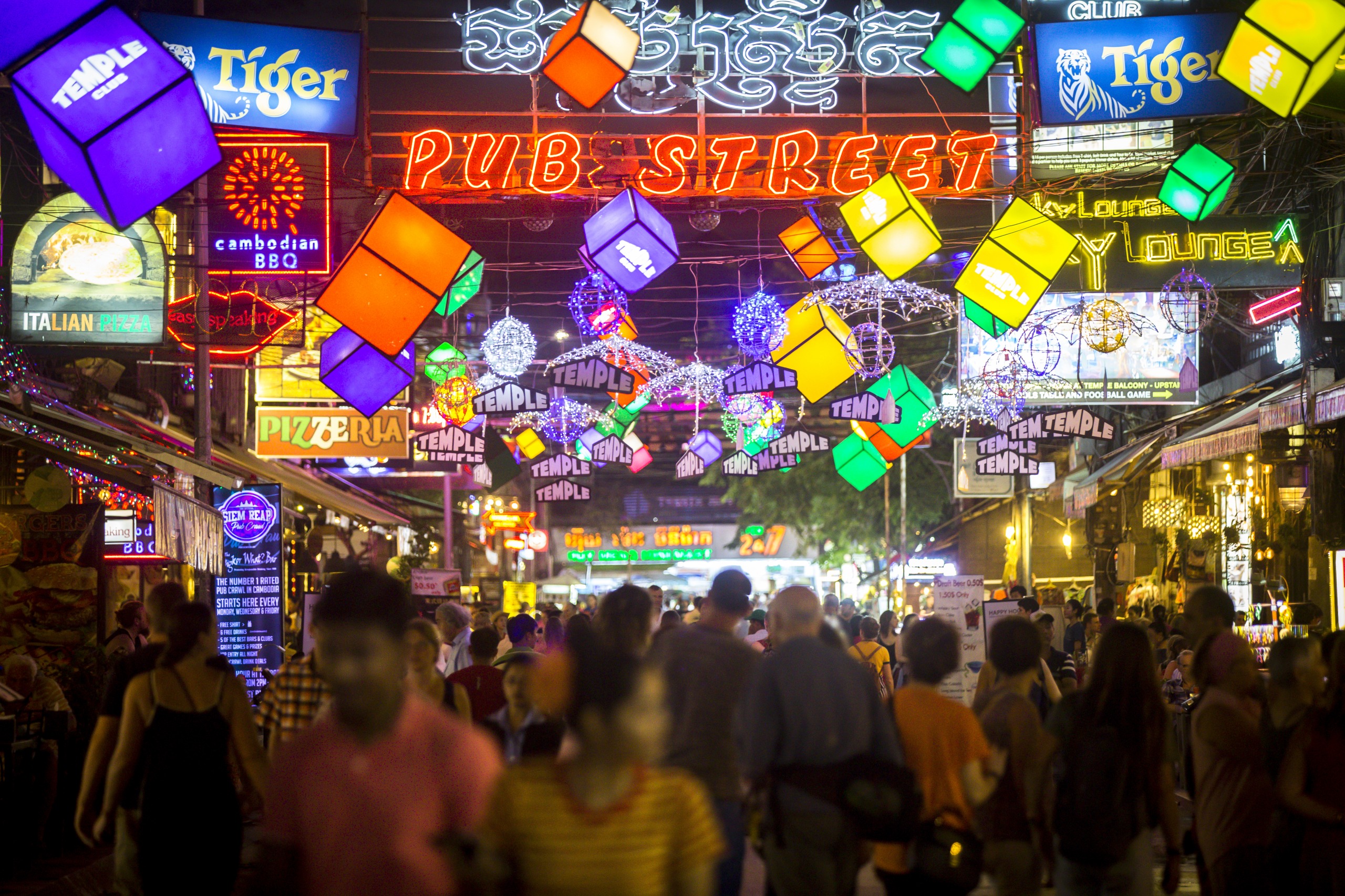
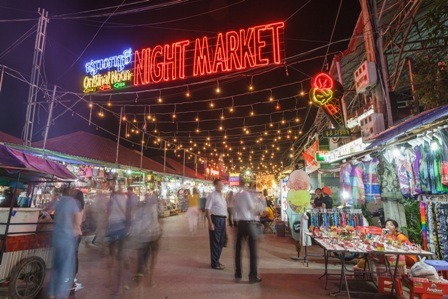
- Siem Reap Night Market — handicrafts, street food and evening entertainment in the city center.
Frequently asked questions
October and November offer the lake at its highest level: houses float freely and the landscape is spectacular. In the dry season (January-April), the lake contracts and some structures rest on the mud, offering a different perspective on village life.
Yes. Most travelers spend the morning exploring Angkor temples and reach Chong Kneas in late afternoon to enjoy the golden light on the lake. The journey between the two sites takes about 45 minutes to an hour.
Chong Kneas has faced criticism for questionable tourism practices (forced sales of food for crocodiles, organized begging involving children). Choose a reputable local agency, refuse pressure sales, and avoid giving money directly to children.
No specific attire is required for the boat ride. If you visit the floating temple, cover your shoulders and knees out of respect.
Kompong Phluk and Kompong Khleang are two stilt villages on Tonlé Sap that are significantly less frequented. They require longer travel time from Siem Reap but offer a more authentic experience.
There is no formal prohibition, but photographing residents—especially children—without their consent is frowned upon. Always ask before taking photos and respect any refusal.
Interested in this visit?
We can include it in your personalised itinerary.