Kompong Thom
Historic city housing the ruins of Sambor Prei Kuk, pre-Angkorian capital. World Heritage site with 7th-century brick temples.
Kompong Thom is a Cambodian provincial town situated on the banks of the Stung Sen River, midway between Phnom Penh and Siem Reap. Often passed through without stopping, it nonetheless merits a pause: its pre-Angkorian temples of Sambor Prei Kuk, inscribed on the UNESCO World Heritage list, rank among Cambodia's oldest religious complexes. The town itself offers an authentic glimpse into Khmer provincial life, far from saturated tourist circuits.
Quick Facts at a Glance
- Access: National Route 6, approximately 3 hours by bus from Phnom Penh and 2 hours from Siem Reap.
- Recommended duration: 1 to 2 days for the town and Sambor Prei Kuk temples.
- Dress code: Shoulders and knees covered when visiting religious sites.
- Local language: Khmer; English is rarely spoken outside guesthouses.
What to See
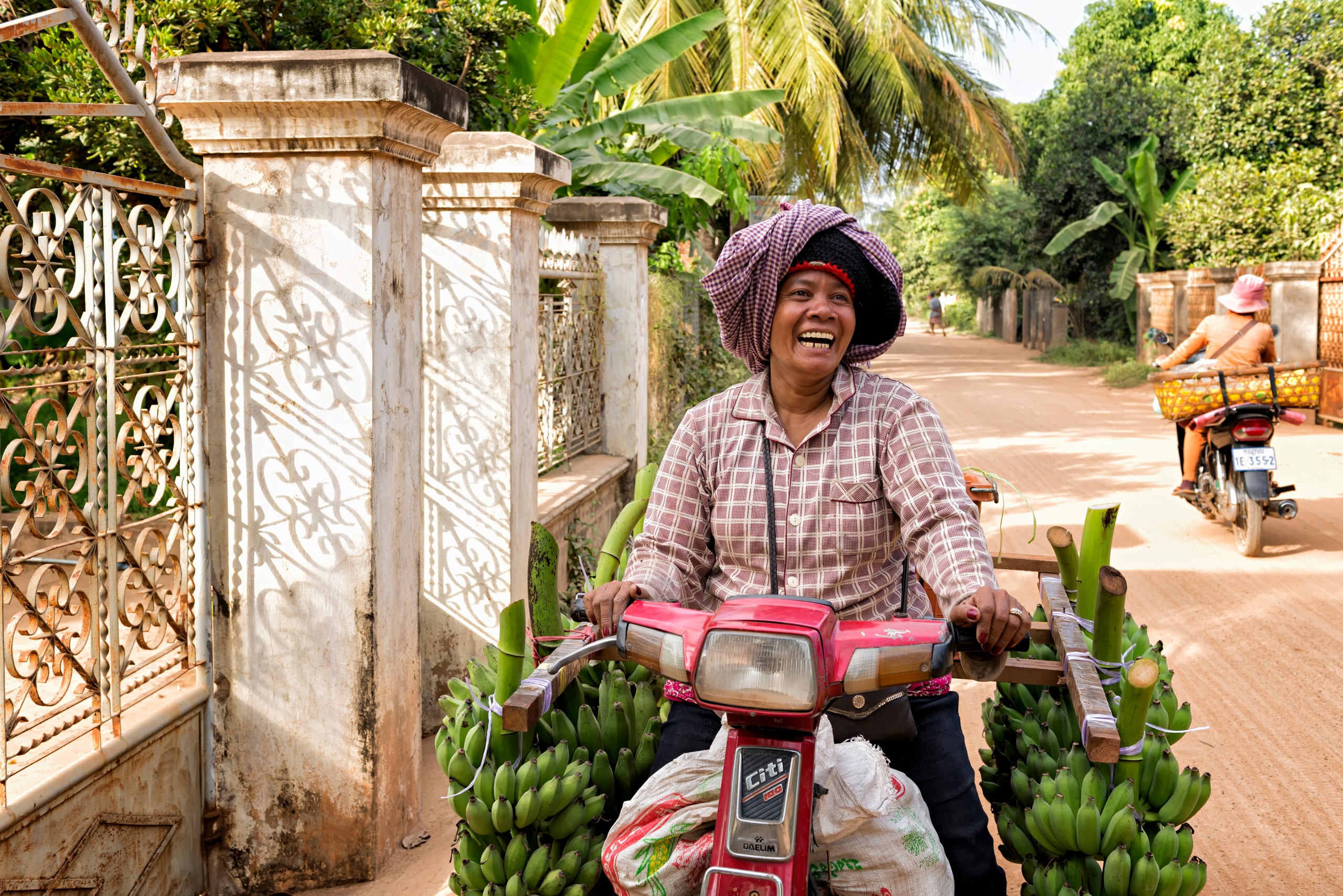
Kompong Thom's central market animates the heart of the town from dawn onwards: Tonlé Sap fish, vegetables, spices and textiles converge here. Along the Stung Sen, a few colourful pagodas punctuate the riverbanks. Some thirty kilometres to the north, the Sambor Prei Kuk archaeological site represents the region's principal attraction.
History and Context
Kompong Thom literally means "port of the great hole" in Khmer, a reference to a cave said to have been inhabited by sacred serpents according to local tradition. The region served as a major political and religious centre as early as the 7th century, under the Chenla kingdom, predecessor to the Angkorian empire. Sambor Prei Kuk, capital of this kingdom, testifies to this pivotal period in Khmer history.
Highlights of a Visit
Sambor Prei Kuk
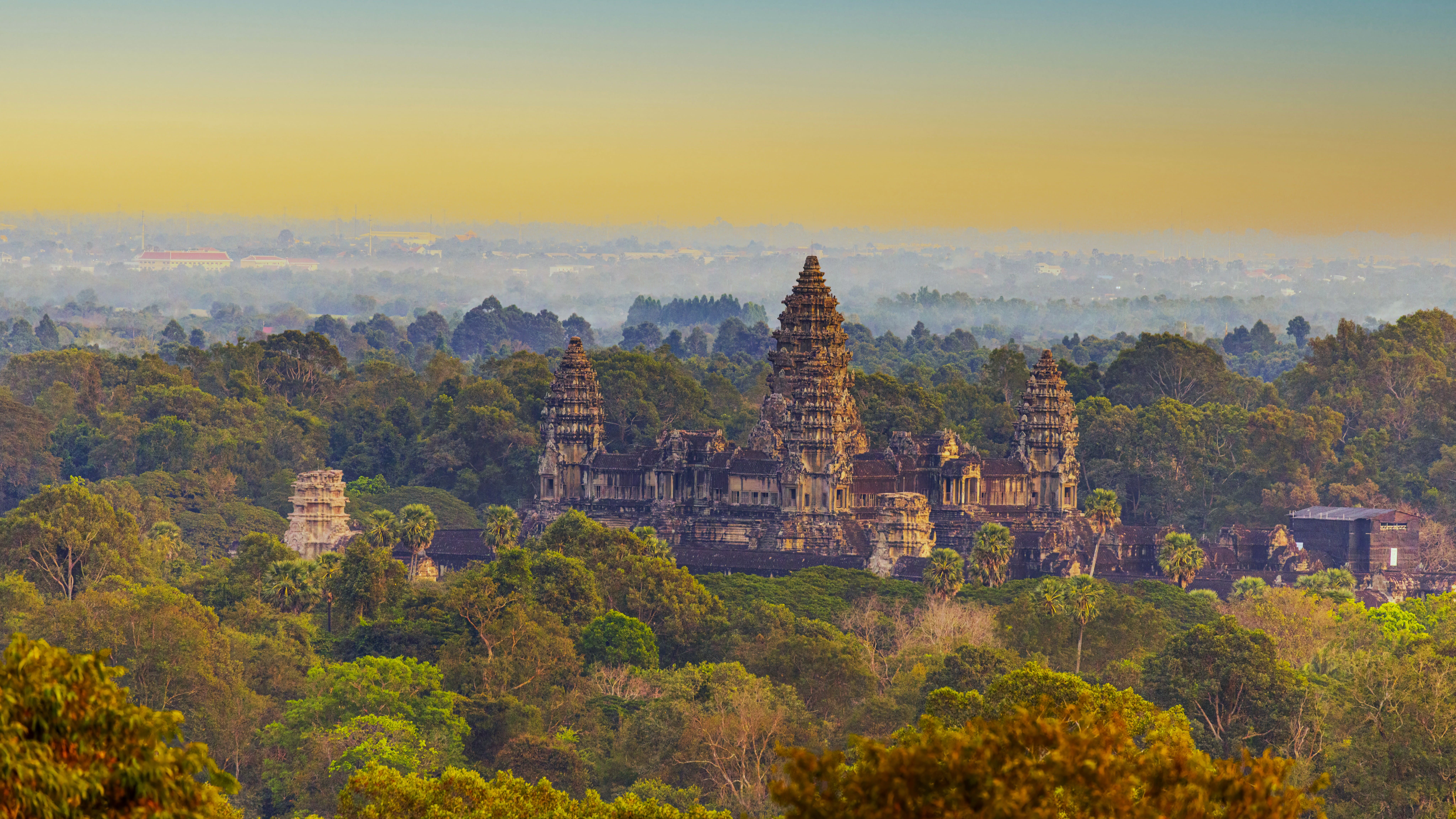
Inscribed on the UNESCO World Heritage list in 2017, this site comprises over one hundred red-brick towers scattered throughout dense forest. The northern, central and southern groups display remarkably well-preserved sculptural decoration. The atmosphere here is considerably more serene than at Angkor.
The Stung Sen River
An evening stroll along the riverbanks reveals the daily life of Khmer families: fishermen, children at play, monks in saffron robes. A few boats offer outings on the water.
The Central Market
Best visited early in the morning, the market concentrates local commerce. Here you'll find fried spiders and grilled insects, regional specialities, as well as handcrafted rattan goods.
Photography Tips
At Sambor Prei Kuk, light filtered through the canopy is optimal in mid-morning. The red-brick towers stand out particularly well after a light rain. Avoid using flash inside active sanctuaries. At the market, always seek permission from vendors before photographing them.
Etiquette and Visiting Rules
At the religious sites of Sambor Prei Kuk, remove your shoes before entering active sanctuaries. Speak quietly and do not touch sculptures. In the town's pagodas, the same rules apply: covered clothing, shoes removed, respectful behaviour.
Location and Access
Kompong Thom lies on National Route 6, the main axis linking Phnom Penh to Siem Reap. Regular buses serve the town from both capitals. Tuk-tuks and motorcycle taxis handle local transport, notably to Sambor Prei Kuk. Hiring a tuk-tuk for the day remains the most practical solution for exploring the region.
Nearby
- Sambor Prei Kuk — Complex of 7th-century pre-Angkorian temples, UNESCO-listed, some thirty kilometres to the north.
- Siem Reap — Gateway to Angkor, approximately 2 hours' drive to the north-west.
- Phnom Penh — Cambodian capital, approximately 3 hours to the south.
- Tonlé Sap Lake — Southeast Asia's largest lake, accessible from Kompong Thom via secondary tracks.
Want to discover this destination?
Our local advisors design your tailor-made trip.