Discovering the Floating Villages of Tonlé Sap Lake in Cambodia
Tonlé Sap Lake reveals itself through its floating villages, stilt houses, rare birds and communities living in rhythm with seasonal floods and monsoons.
Located just tens of kilometers south of Siem Reap, the Tonlé Sap Lake is absolutely worth a visit. Not only does it contain a unique ecosystem, but it is also home to countless inhabitants who have mastered the art of living on water in harmony with the seasons. Join us as we discover the floating villages of Tonlé Sap...
What you need to know about Tonlé Sap Lake
Southeast Asia's largest freshwater body
Just 15 km from the center of Siem Reap, Tonlé Sap is a lake whose name means "great freshwater river" in Khmer. It is Southeast Asia's largest freshwater body. Its size varies with the seasons.
Indeed, during the monsoon, the flow of the Mekong River increases and triggers a rare phenomenon worldwide: the reversal of the Tonlé Sap river's current—a waterway flowing from the lake. The lake subsequently fills with water to such an extent that its surface area quadruples: expanding from 3,000 km² during the dry season (November to May) to 13,000 km² during the rainy season (June to November).
A biosphere reserve
Tonlé Sap Lake harbors a rich ecosystem: it is home to over 100 species of aquatic birds (storks, pelicans, herons...), 300 species of freshwater fish and numerous other animal species (snakes, turtles, crocodiles...). This is why it was designated a biosphere reserve by UNESCO in 1997.
One of the world's most productive fishing zones
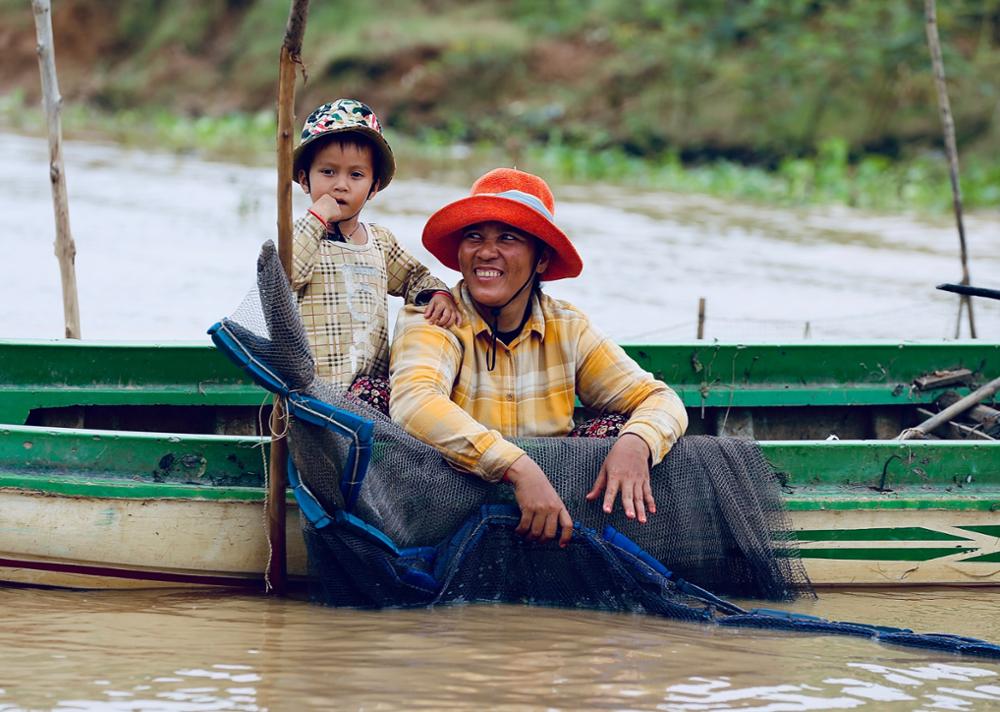 Most inhabitants of Tonlé Sap Lake live from fishing and agriculture. The lake is even considered one of the world's most productive fishing zones. It provides over 75% of the annual freshwater fish catch and nearly 60% of Cambodia's food supply. When the rainy season gives way to the dry season, descending waters deposit silt, making it fertile ground for agriculture as well.
The inhabitants of Tonlé Sap Lake
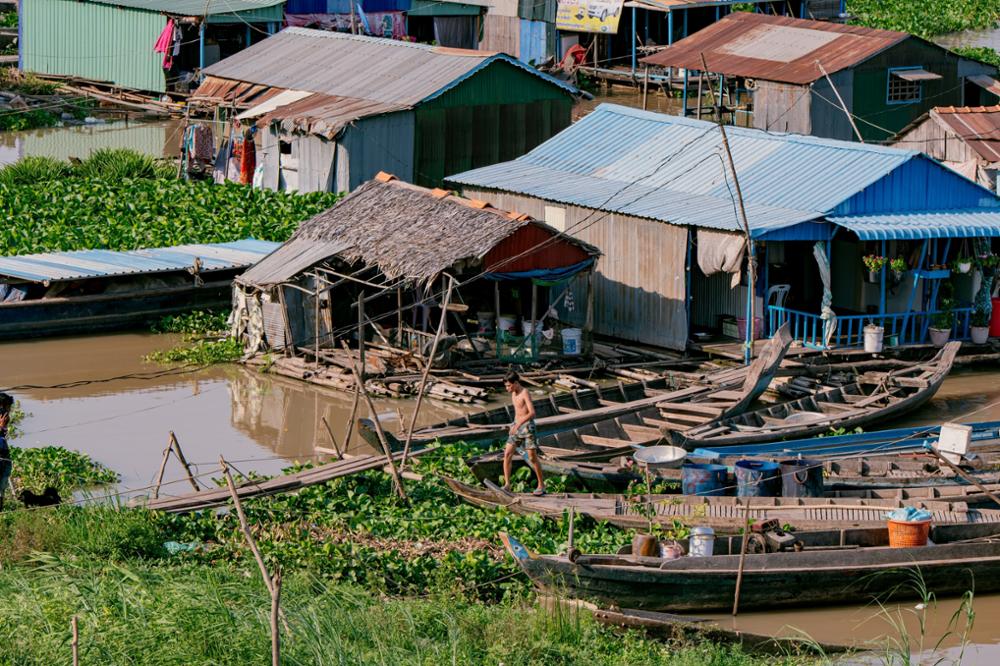 With such abundant natural resources, the lake's shores have been coveted by humans for centuries. To adapt to the influences of flooding, inhabitants have constructed ingenious dwellings that shift with the water: floating villages and stilt houses. Today, over 3 million people live around Tonlé Sap Lake. Among the inhabitants, one finds not only Cambodians and Khmers but also a significant population of Vietnamese origin.
The threats facing the lake
While Tonlé Sap Lake remains a cornerstone of the country's ecology and economy, it faces serious dangers today. The threats? Construction of hydroelectric dams, climate change and overfishing.
The floating villages to discover around Tonlé Sap
Here are the main floating villages to visit around Tonlé Sap:
Chong Khneas village
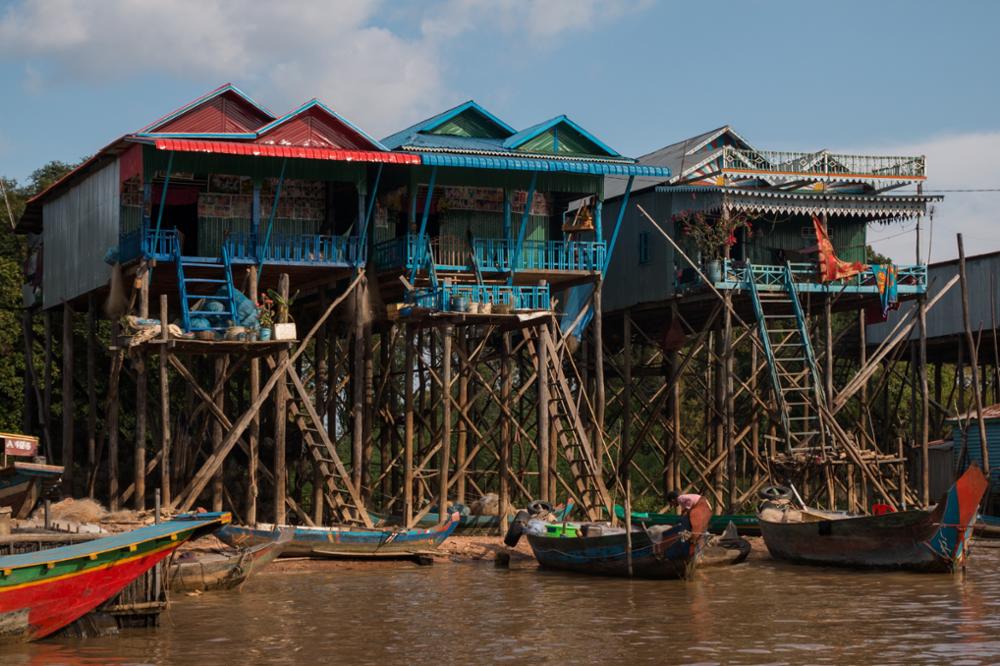 Located just 15 km from Siem Reap city center, Chong Khneas is the most accessible floating village on the lake. For this reason, it is the most popular and most visited floating village. It stands out for its colorful stilt houses where Khmers, Muslims and Vietnamese live.
As in most floating villages, you will find numerous floating infrastructures here: schools, clinics, sports grounds, shops... You can also visit a fish farm or the Gecko Environmental Center, whose mission is to raise community awareness about environmental conservation. A wonderful opportunity to learn more about the biodiversity of the lacustrine zone and the lake's various species.
Prek Toal village
Located at the far northwest of Tonlé Sap Lake, Prek Toal village ranks among the must-see floating villages of the region. Belonging to one of the three major zones of Tonlé Sap's biosphere reserve, you will find an ornithological sanctuary, among Cambodia's most important. Beyond visiting the village, you can explore this area, often nicknamed "the land of wild birds."
Here, more than 100 bird species have been recorded including endemic and rare species. You can notably observe the giant ibis (endemic species), the argala marabou (rare species), storks, pelicans, cormorants... Beyond birds, there is another endemic species: the slow loris, the world's smallest primate.
To discover this enchanting world, we recommend traveling with a local guide and choosing an ecotourism circuit with the Osmose NGO. You can stay with local families, visit villages, learn water hyacinth weaving techniques from inhabitants, observe birds with an experienced guide...
Good to know
To access Prek Toal village and discover the ornithological sanctuary, you must pay an entrance fee to the Wildlife Conservation Society. Note, however, that some circuits include the entrance fee in their tours.
Kampong Pluk village
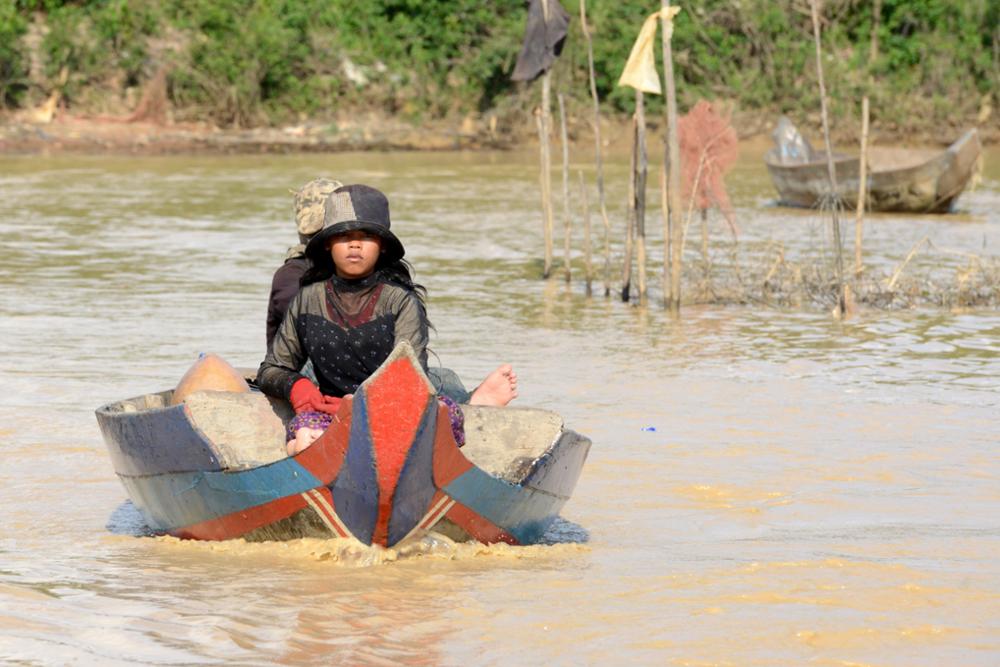 Head to the northeastern shores of Tonlé Sap Lake, 30 km from Siem Reap, to discover the Kampong Pluk village. Meaning "Port of Defense" in Cambodian, this small village is inhabited by a predominantly Khmer population.
In reality, it is not a floating village but rather a stilt village. It is characterized by houses built on stilts 6 to 10 meters high. These give the impression that houses float during the rainy season and are visible during the dry season, which is equally impressive. During this time of year, it is actually possible to visit the village on foot (without needing to take a boat).
More authentic and less touristy than the previous village, the Kampong Pluk village is surrounded by submerged mangrove forests that you can explore during a canoe ride (during the rainy season). Keep your eyes open—you may spot many birds and monkeys.
Kampong Khleang village
Located about twenty kilometers from Kampong Pluk village, 55 km from Siem Reap, the Kompong Khleang village is home to the Tonlé Sap Lake's largest community. Among the stilt structures, you will find schools, clinics, temples, shops...
The community system established in the village allows residents to benefit from tourism revenues. Indeed, boat services are entirely owned and managed by locals. Furthermore, your spending will directly help the local communities.
Due to its more remote location than the previous villages, Kompong Khleang is less crowded. It is therefore ideal if you wish to discover a floating village in peace and tranquility.
Mechrey village
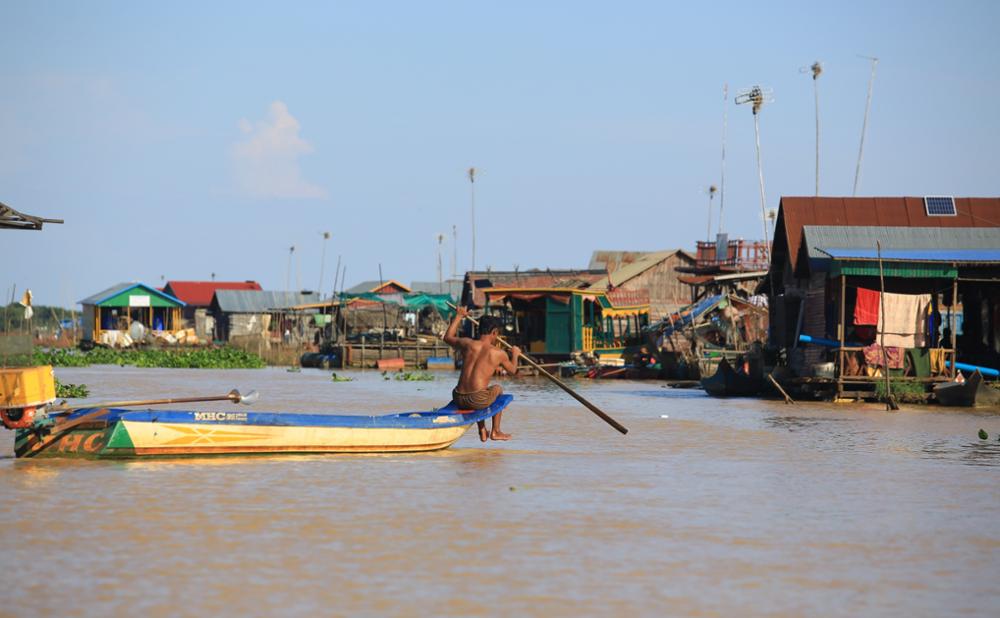 Also located on the North-East shore of Tonlé Sap Lake, not far from Prek Toal ornithological sanctuary, Mechrey village is the region's newest floating village. You will find the typical infrastructures of floating villages: houses and structures on stilts (schools, clinic, shops and groceries…). Of course, you can also discover fish farms.
Like Kampong Khleang village, Mechrey is managed by local communities. By paying for boat services to explore the village, you enable the community to develop. Indeed, money spent on boat excursions helps finance local installations and services.
Kampong Luong village
Located about forty kilometers from the city of Pursat, on the southern shores of Tonlé Sap Lake, the Kampong Luong floating village is the most remote from Siem Reap. Given its isolated location, few travelers venture to explore it. The result? It is one of the region's most authentic floating villages.
The village is characterized by great social diversity: both Khmers, Chams and Vietnamese live here. Some inhabit stilt houses while others live in floating dwellings. Among the infrastructure, you will also discover a school, a market, restaurants, groceries and shops, a church, a temple, a gas station as well as an ice factory for fish preservation.
As you can see, Kampong village is not the most accessible, but it is the ideal place if you wish to venture off the beaten path and avoid more touristy floating villages.
Beware of scams in Tonlé Sap's floating villages!
Numerous tourist scams are reported every year in Tonlé Sap Lake's floating villages. Among the most common scams, you will find:
The imposed guide scam:
It is not uncommon for an "improvised guide" to board your boat once you are on the water. Obviously, they will ask for extra money for their services. You can, of course, accept their services but know that they generally speak very little English. If you refuse, the boat captain may shorten your excursion.
So what should you do? You can hire a certified local guide beforehand to avoid such situations. You don't want a guide? In that case, the Cambodia Tourism Office recommends showing this letter written in Khmer before boarding:
« សុំទោសលោកអ្នក
ខ្ញុំមិនត្រូវការមគ្គុទ្ទេសន៏ ឬអ្នកនាំផ្លូវនៅលើទូកនេះទេ ។ ខ្ញុំគ្រាន់តែចង់ជិះទូកលេង ។ ប្រសិនបើលោកអ្នកមិនគោរពការសំរេចចិត្តរបស់ខ្ញុំទេ ខ្ញុំមានសិទ្ធផ្តល់ក្រុមហ៊ុន ស៊ូជីញ និងរាយការណ៏ទៅក្រសួងទេសចរណ៏ ។
អគុណដែលបានអាននិងយល់ពីតំរូវការរបស់ខ្ញុំ »
French translation:
« Sir/Madam,
We do not wish for a guide or any services other than the planned boat ride. Should you fail to respect this and attempt to impose additional services, we will report this to the Ministry of Tourism, the port authority and the boat rental company.
Thank you for your understanding »
The rice for children scam
During your visit, you will be persistently offered to purchase a sack of rice for 25 or 30 USD (or more) to give to those in need and children (at school or in orphanages). However, the sacks in question are never opened—they are simply offered to the next tourists.
How to avoid it? Again, it may be wise to be accompanied by a certified local guide to avoid this situation. Otherwise, you can say you have no cash on you. If you wish to help local communities, the best way is to support them by purchasing products directly from shops and restaurants.
How to get to Tonlé Sap Lake?
The easiest way to reach Tonlé Sap Lake's floating villages is to depart from Siem Reap. You can travel by tuk-tuk, taxi, minivan... This journey will allow you to discover the Cambodian countryside before reaching Tonlé Sap Lake's docks, where you can board a canoe to your chosen village.
What is the best time to explore Tonlé Sap Lake's floating villages?
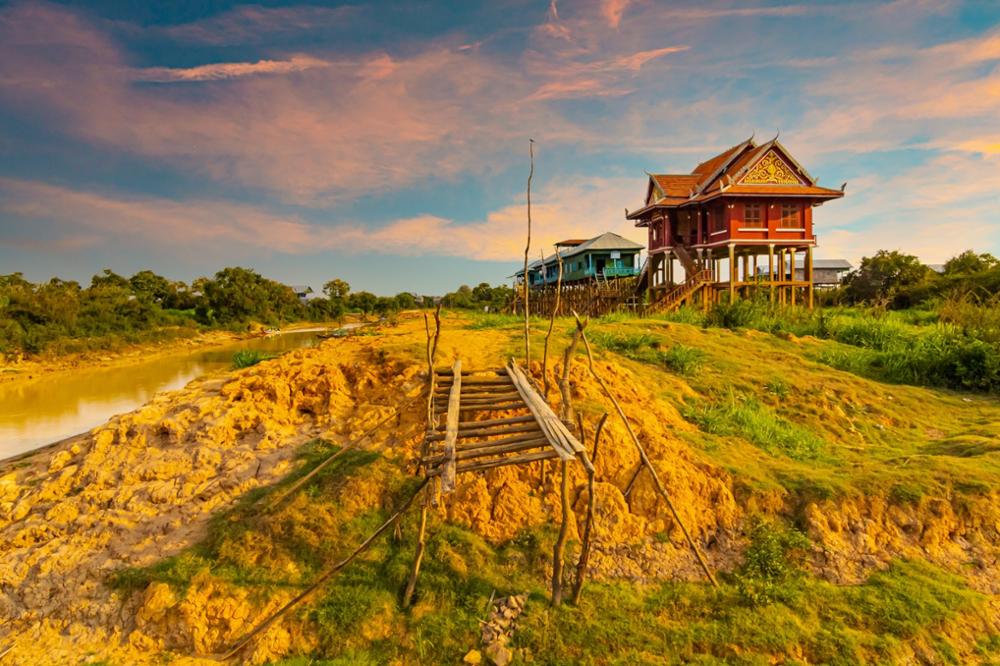 The best time to visit Tonlé Sap's floating villages is the rainy season, from June to November. This is when water levels rise, making boat travel much easier. The landscapes are lush and verdant, and you will have a better sense of what life on the water truly entails...
Good to know
In November (during the full moon), Cambodians celebrate Bon Om Touk, better known as the Water Festival. This is one of Cambodia's most important celebrations, marking the end of the rainy season and the reversal of the Tonlé Sap River's current. Over 3 days, numerous festivities are organized throughout the country. Phnom Penh, the capital, is where the celebration truly comes alive.
The program includes: races of 400 canoes (the famous dragon boats), canoe regatta parade in front of Phnom Penh's royal palace, dances, fireworks, offerings and full moon rituals...
Frequently asked questions
Prices vary by village and duration. Budget 15-30 USD for a half-day excursion from Siem Reap, including transport and boat.
Kampong Khleang and Kampong Luong are less touristy than Chong Khneas. Prek Toal is ideal for birdwatching.
Yes, but the experience is different. Stilt houses are more visible and certain villages like Kampong Pluk can be visited on foot.
It is not required, but recommended during high season. Circuits with certified guides often require advance booking.
Pack sunscreen, a hat, insect repellent, a waterproof camera, and comfortable clothing. Water and snacks are advised.