Complete Guide to Cambodia
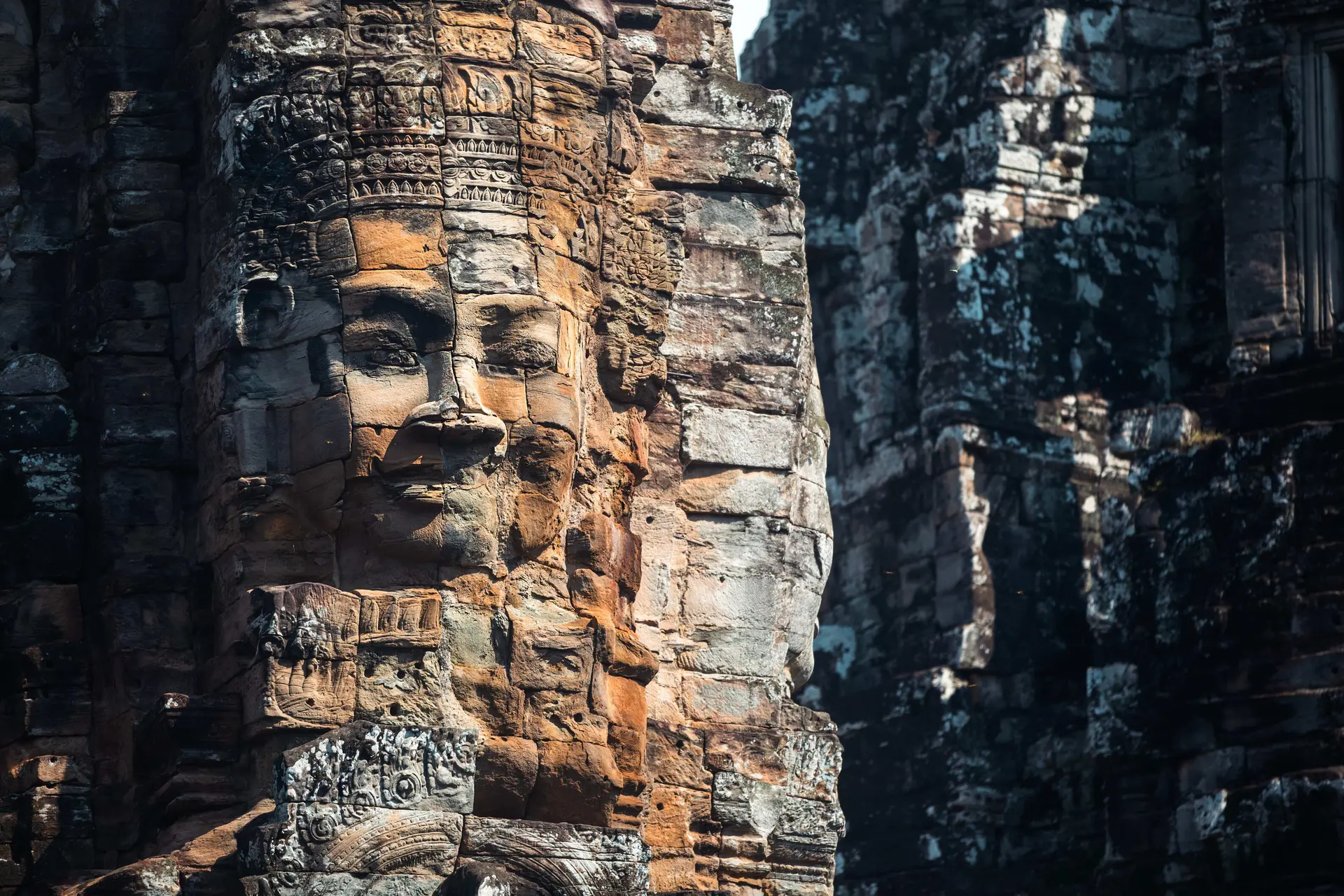
From our agency in Phnom Penh, we see travelers pass through each year who discover a country far larger and more contrasted than Angkor alone. Cambodia is first and foremost a central plain crossed by the Tonlé Sap and the Mekong, where rice paddies, floating villages and morning markets are concentrated. In the north, Siem Reap provides access to Khmer temples from the 9th to 13th centuries: Angkor Wat, the Bayon, Ta Prohm, but also more remote sites like Banteay Srei or Beng Mealea, less crowded early in the morning.
To the east, the provinces of Mondulkiri and Ratanakiri offer a landscape of wooded hills, waterfalls and Bunong communities, 6 or 7 hours' drive from the capital. To the south, the coast of the Gulf of Thailand stretches from Kep and Kampot, known for their pepper and colonial houses, to the islands of Koh Rong and Koh Rong Samloem. The tropical climate alternates between dry season from November to April and rainy season from May to October, with temperatures rarely dropping below 25°C.
For a first trip, we recommend combining Phnom Penh, Siem Reap and a coastal or rural stopover over 12 to 15 days, enough time to experience something beyond temples.
The regions of Cambodia
Each region has its own personality: climate, landscapes, pace of life and ways of traveling. Our local team helps you choose the combination that suits you.
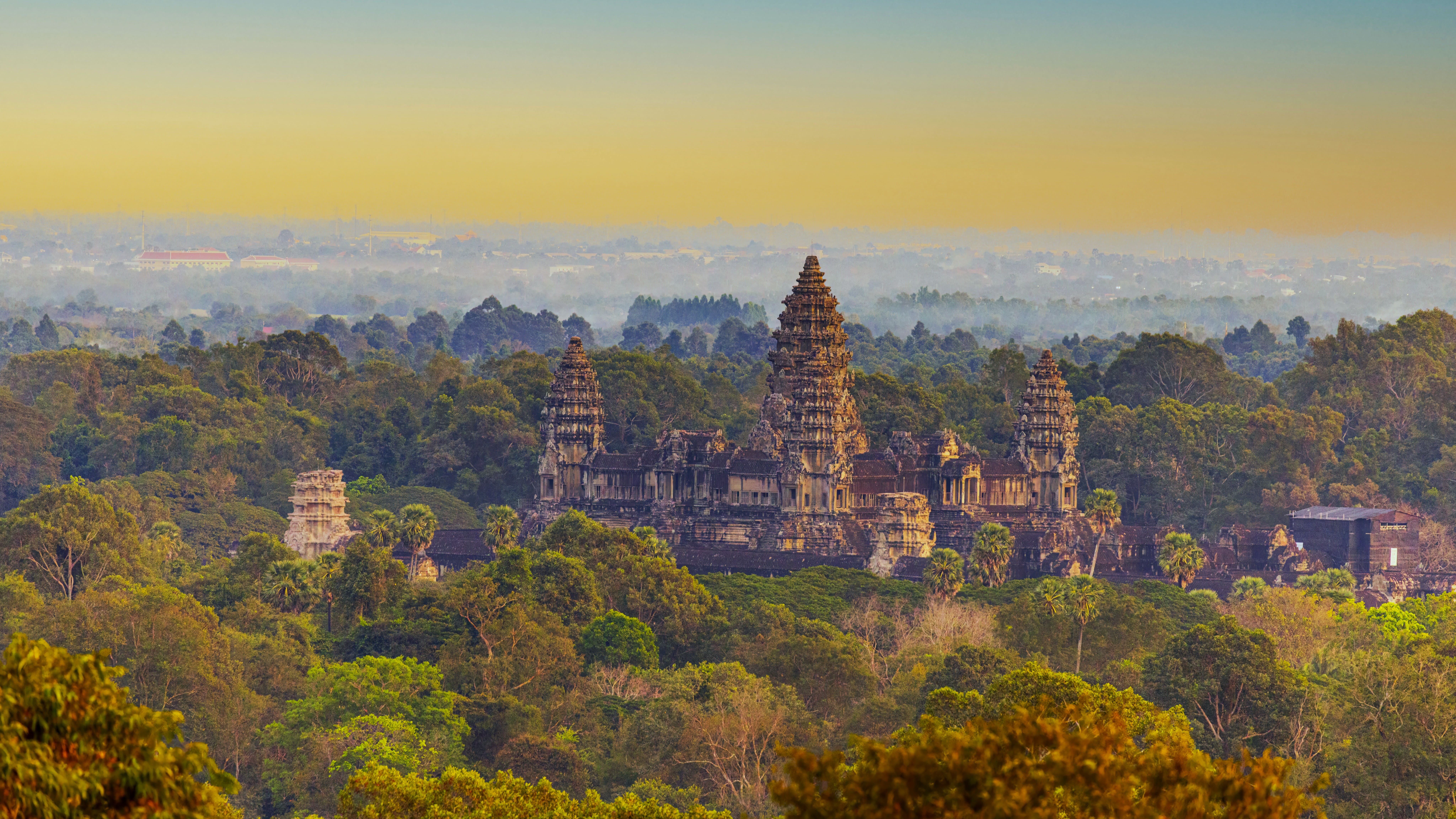
Siem Reap and Angkor
It is the gateway to Khmer temples, 314 km northwest of Phnom Penh. The Angkor archaeological park covers more than 400 km² and requires at least three days of exploration, ideally split between the Grand Circuit and Small Circuit, plus a day trip to Banteay Srei and the thousand lingas river of Kbal Spean. The city of Siem Reap, on the river of the same name, has developed around tourism but retains quiet neighborhoods like Wat Bo. We recommend starting visits from 5:30 am to avoid the midday heat, which often exceeds 33°C during the dry season.
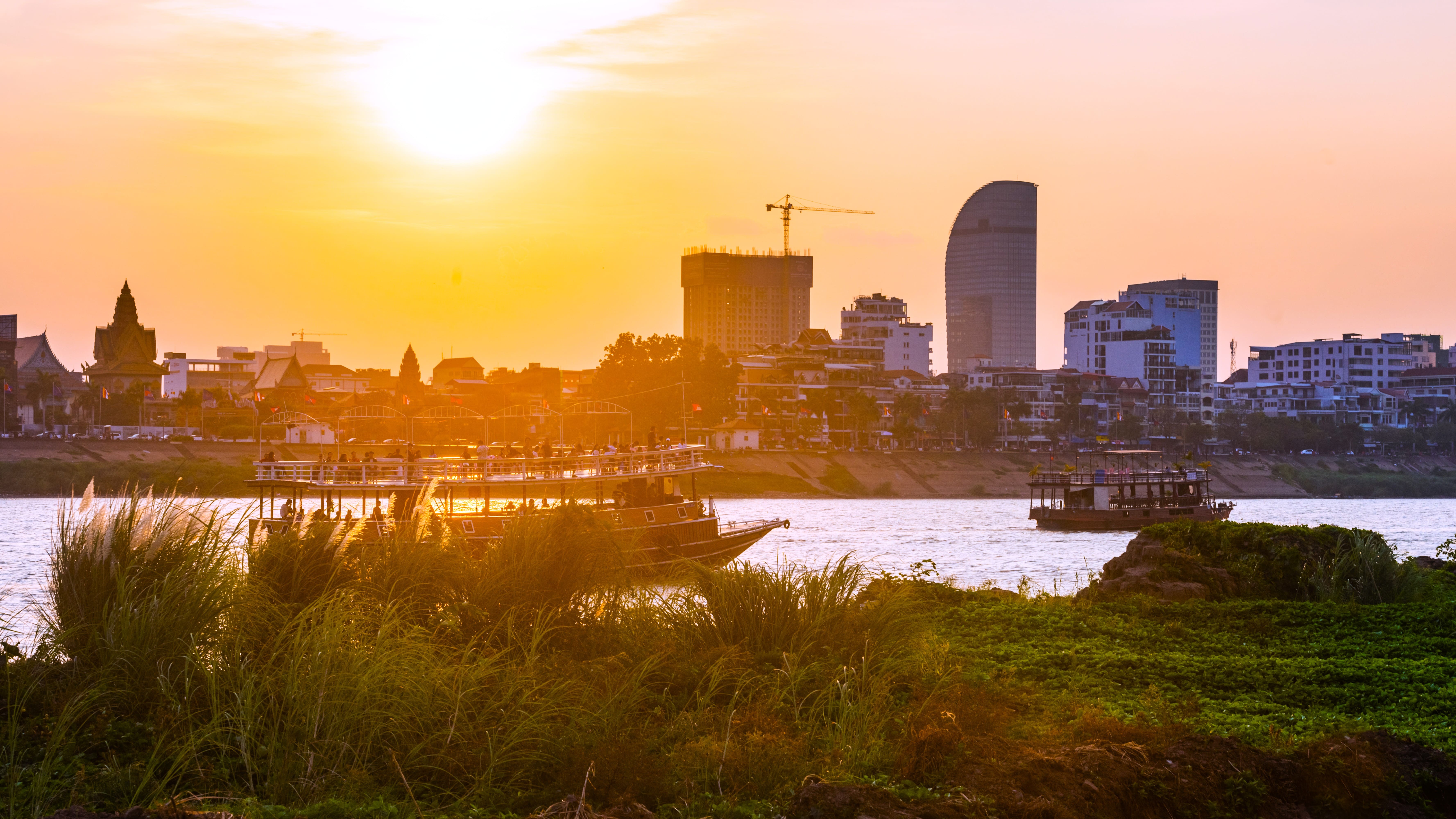
Phnom Penh and the Mekong
The capital sprawls at the confluence of the Mekong, Tonlé Sap and Bassac rivers. A typical visit spans two days: the Royal Palace, the National Museum of Khmer Sculpture, the Art Deco Central Market, and the memorial sites of Tuol Sleng and Choeung Ek to understand the Khmer Rouge period. To the south, Koh Dach island is reached by ferry for a day of cycling among weavers and orchards. Heading upriver along the Mekong to the north, the villages of Kampong Cham and Kratie offer opportunities to observe Irrawaddy dolphins, of which fewer than 100 individuals remain.
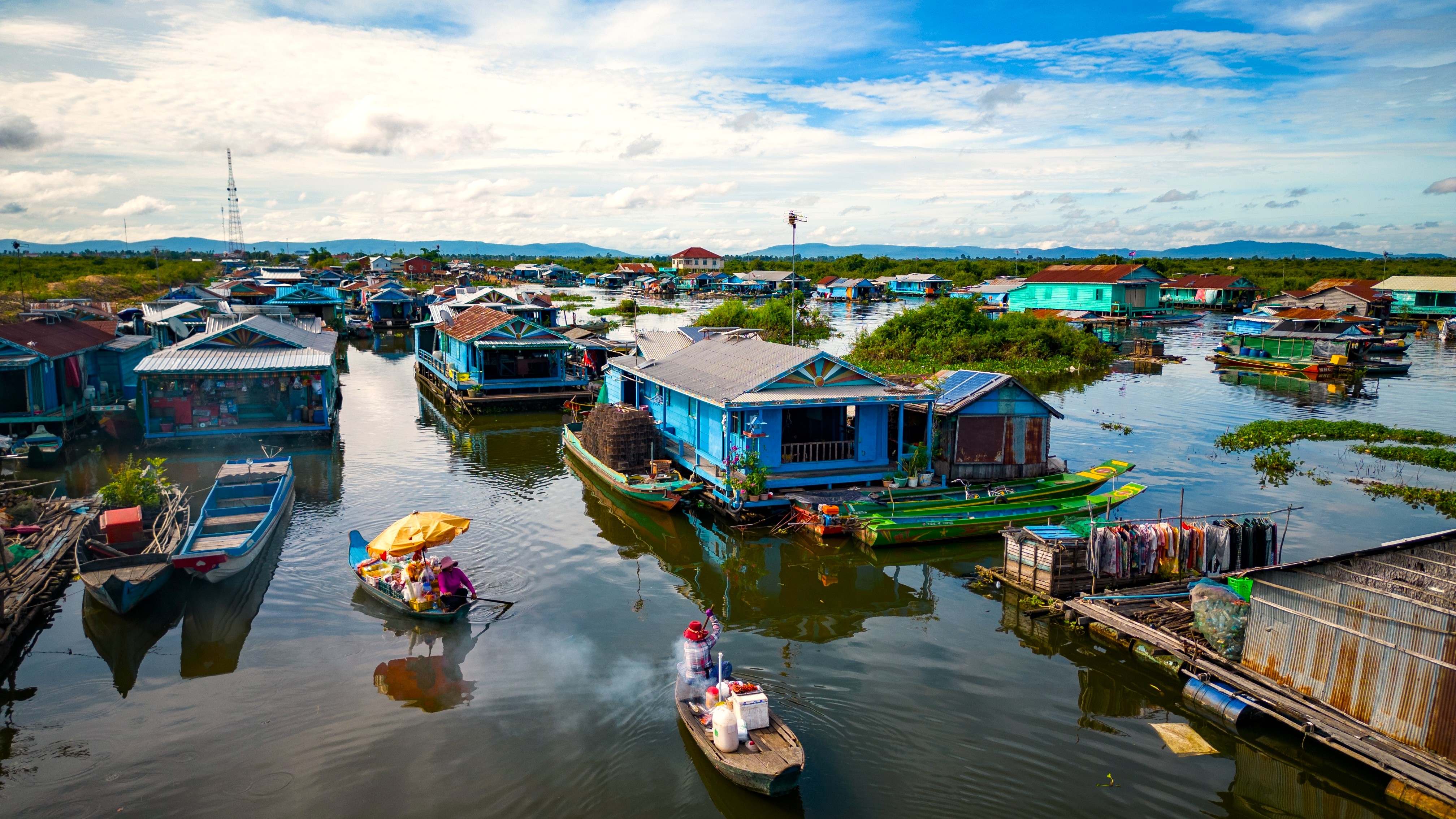
Battambang and Tonlé Sap
Cambodia's second city, Battambang retains a provincial atmosphere with its colonial shophouses and art workshops. Surrounding the town, rice paddies stretch out to the pre-Angkorian temples of Banan and Ek Phnom. The Tonlé Sap Lake, Southeast Asia's largest freshwater lake, changes in size from single to quadruple between the dry season and the rainy season. The floating villages of Kompong Khleang, less crowded than Chong Kneas, offer an authentic insight into life on the water. The boat journey to Siem Reap, in September-October when water levels are high, takes 6 to 8 hours.
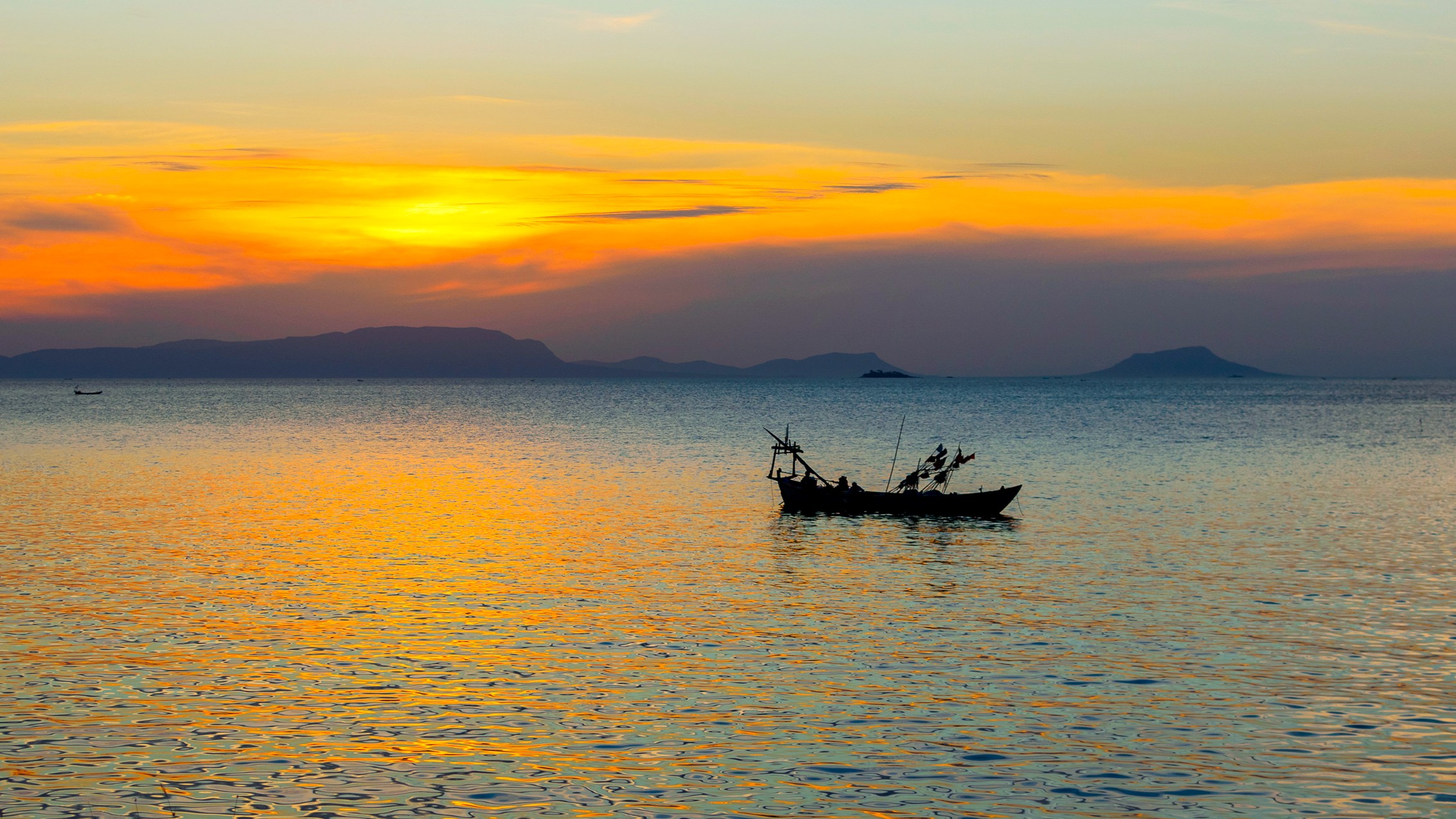
South coast and islands
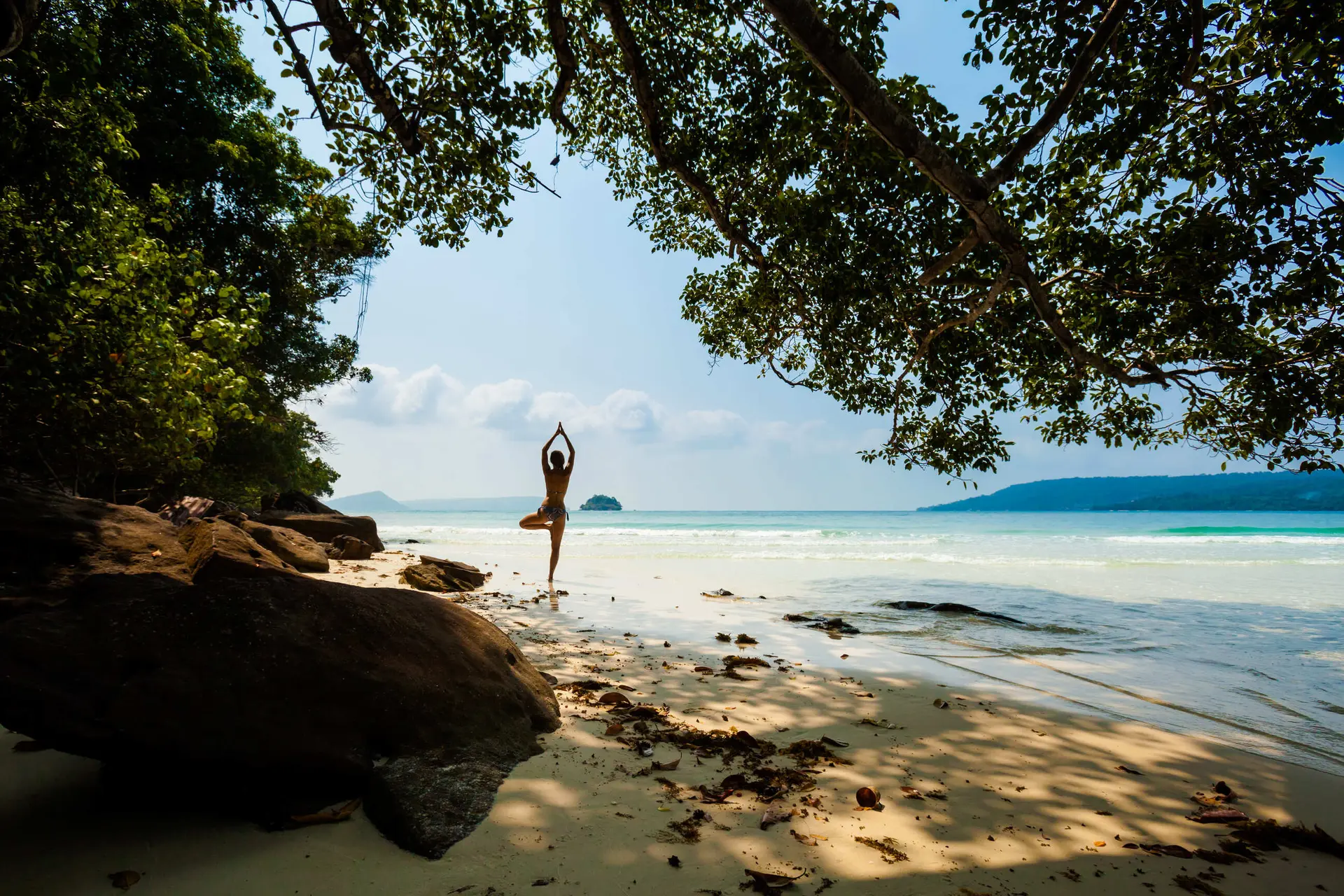
From Kep to Sihanoukville, Cambodia's coastline stretches for approximately 440 km along the Gulf of Thailand. Kampot, bordered by its river and Bokor National Park, is renowned for its PGI pepper grown in the surrounding plantations. Kep, smaller and more intimate, retains its modernist villas from the 1960s and its crab market. From Sihanoukville, boats serve Koh Rong and Koh Rong Samloem in 45 minutes to 1.5 hours, with pristine beaches on the western coast of the islands. The climate remains warm year-round, with calmer seas from November to April.
Mondulkiri and Ratanakiri
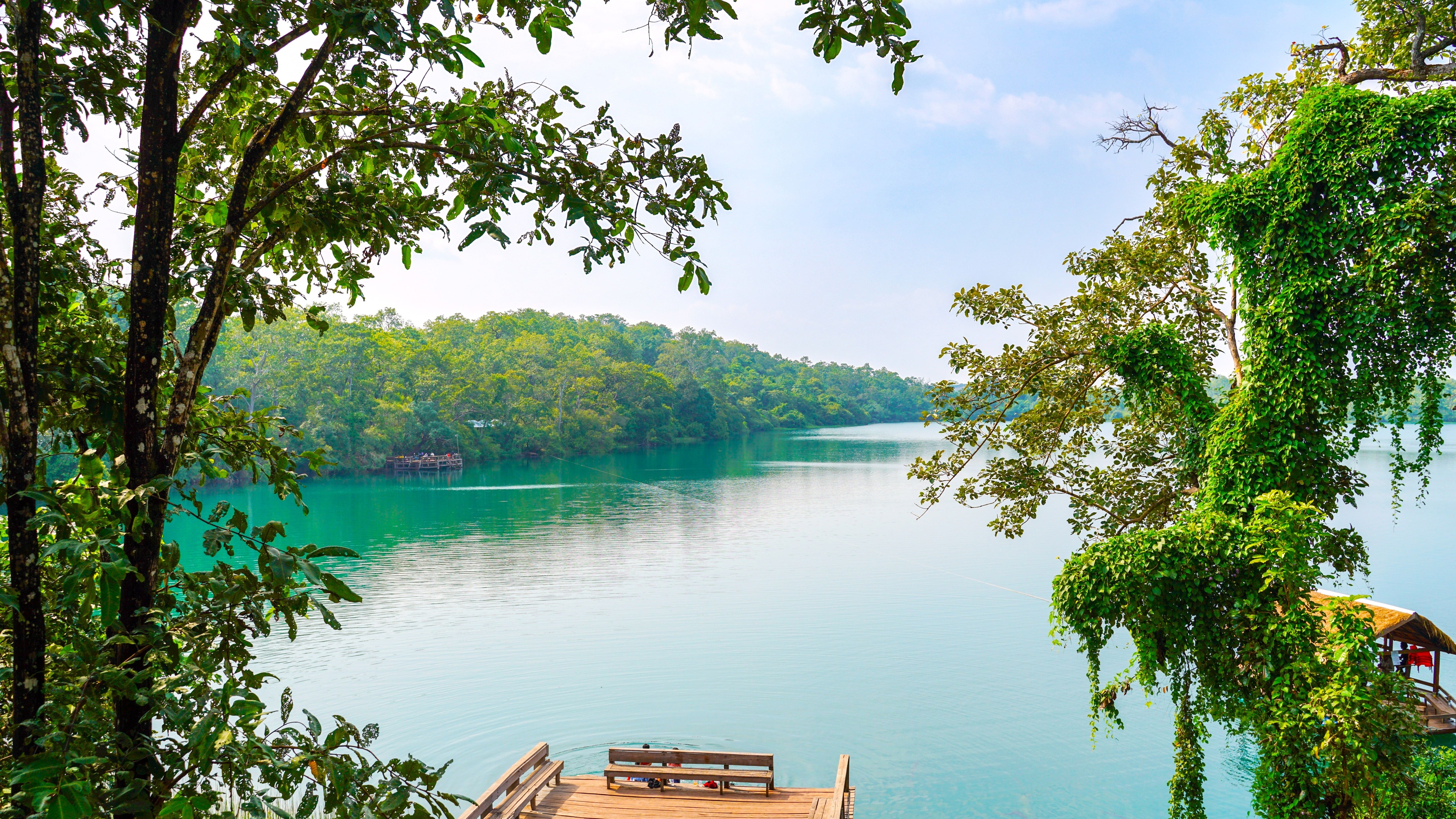
The two northeastern provinces offer a landscape that breaks away from the central plains: hills at 800 meters altitude, forests, Bou Sra waterfalls and the volcanic lake of Yeak Laom. Sen Monorom, the capital of Mondulkiri, is the starting point for encounters with Bunong communities and elephant sanctuaries such as Elephant Valley Project, where animals are no longer ridden. Allow 6 to 7 hours driving from Phnom Penh. Nights drop to 18°C in December-January, which comes as a surprise after the heat of the capital.
Explore by theme
Unique experiences tailored to every traveler.

We use cookies to improve your experience and measure our site's audience. You can choose what you accept. Learn more.