Phnom Penh
Phnom Penh
Cambodia's capital at the confluence of the Mekong, Phnom Penh blends the Royal Palace, Khmer Rouge memory, Art Deco markets, and sunset terraces in a singular atmosphere.
Cambodia's capital, Phnom Penh is the largest city in this Southeast Asian nation. It is a charming, wonderfully relaxing city rich in culture and civilization. It serves as the gateway to the country, where you breathe in an exotic blend of Asian and French ambiance.
History
Founded in 1434, Phnom Penh takes its name from the Wat Phnom hill, or temple hill. Once called Wat Phnom Daun Penh, this hill is named after a wealthy widow named Daun Penh. In 1373, she had religious buildings and temples constructed on the hill to house five Buddha statues.
During French Indochinese administration, the city entered a golden era. In the 1920s, it earned the nickname "the Pearl of Southeast Asia." From that period onward, it became Cambodia's capital.
During the civil war sparked by the Khmer Rouge in 1975, many city residents were executed or forced to flee their homes, leaving the city deserted for more than three years. They could only return after the Vietnamese arrived. On January 7, 1979, the Khmer Rouge were indeed expelled from the city. During these turbulent periods, countless infrastructure was destroyed, damaged, or abandoned.
To promote tourism in the region, the local administration decided in 1998 to open three border crossings.
Geography
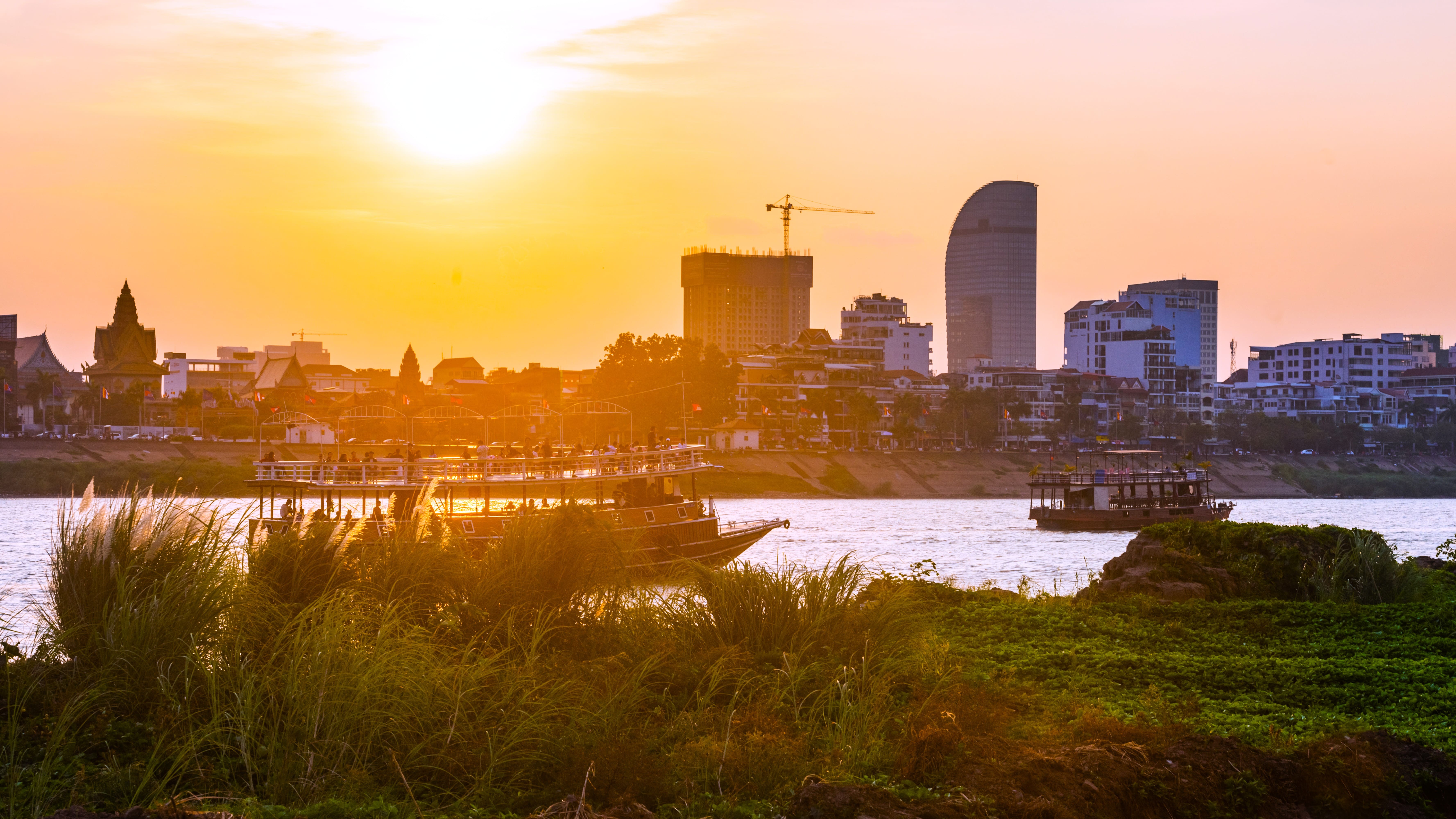
Covering a vast area of 678.46 km², Phnom Penh is located in the southeastern part of Cambodia. It sits at the confluence of three major rivers: the Mekong, Tonlé Sap, and Bassac. The Mekong River originates from the Tibetan plateau and flows through the city.
Phnom Penh
Phnom Penh stands at the crossroads of Cambodia's economy. It is the commercial, diplomatic, political, and cultural center of the country. Most Cambodian universities are located here. Since 2005, the city has experienced significant real estate development. Many developers have established themselves, and numerous high-rise buildings exceeding 30 stories have been constructed in trendy neighborhoods.
In 2007, Phnom Penh's population was 2,009,264 inhabitants, representing 14% of Cambodia's total population. According to government data, its average density stands at 5,200 inhabitants/km². It is home to approximately 295,358 households, over 96% of which are Buddhist. Its residents are renowned worldwide for their exceptional hospitality, a hallmark of Cambodian people. Khmer is the language spoken here, though English and French remain common in tourist areas.
Given its geographic location at the confluence of three rivers, Phnom Penh thrives within a freshwater ecosystem. This allows the city and surrounding areas to benefit from environmental conditions favorable to flourishing culture and breathtaking natural landscapes.
To fully appreciate the local architecture, visiting this city is essential during your Cambodia trip. Its architectural heritage is defined through traditional style and European colonial-period style. Pagodas, palaces, and temples reflect this traditional character, while museums and most administrative and commercial buildings follow a more Western aesthetic.
Phnom Penh is also Cambodia's cultural capital. It houses several cultural, historical, and natural attractions. To admire the city's historic architectural style, the most important sites include the Royal Palace, the French Embassy, and, about forty kilometers from the capital in the heights of Oudong, the ruins of Vihear Preah Ath Roes. The Silver Pagoda and the National Museum as well as Choeung Ek (sadly known by the epithet "killing fields"), also await you to unveil the poignant history of the city during the Khmer Rouge reign. Cambodia's capital also houses an extensive collection of Khmer sculptures. You can admire them by visiting Wat Phnom, the Independence Monument, the graceful National Library, or further afield in Oudong, the Ta San Mosque.
As Cambodia's largest tourist city, Phnom Penh is filled with service providers offering accommodation. Recently, the number of visitors and tourism establishments has grown considerably. You'll find numerous five-star hotels, guesthouses, and international restaurants.
Climate
Phnom Penh enjoys a hot, humid tropical climate. It experiences two seasons: a dry season from December through May and a wet season lasting over six months from June through November.
Temperatures range from 18°C to 38°C, with April being the hottest month. Between May and October, monsoons blow from the southwest, bringing humid and cool winds from the Gulf of Thailand and the Indian Ocean.
Airplane
Pochentong, the country's largest airport, is Phnom Penh's international gateway. It is located 7 km west of the city center. Flying is one of the most popular transport modes for foreigners visiting the city.
Bus
Most of Cambodia's major national roads pass through the Phnom Penh region. These routes connect the country with its neighbors, including Thailand, Laos, and Vietnam. It's therefore possible to reach the city by bus or coach from Thailand.
Boat
A network of express boats connects Phnom Penh and Siem Reap. Depending on the boat's speed and water depth, boats link the two cities in as little as five hours. It's a fairly popular transport option.
From Vietnam, following the Mekong Delta, you can also reach Phnom Penh by boat. Generally, boats depart from Chau Doc at 08:00 and arrive in Phnom Penh around 13:00.
Motorbike Taxi or Motodop
Motorbike taxis remain the fastest public transport for getting around the city. They are abundant, and some even approach tourists walking on the sidewalk.
Taxi
Taxis serve Phnom Penh every day of the week, 24 hours a day.
Bicycle
Phnom Penh's "cyclos" are pedal-powered rickshaws. They are more comfortable and relaxing than motorbike taxis.
Tuk-tuk
For exploring the city, the tuk-tuk is among the most practical and economical transport options.
Bus
Since 2015, the city has been served by three public bus lines running along Monivong Boulevard, Mao Tse Tong, and Russian Federation Avenue. Generally, buses stop at each station every 10 to 15 minutes.
What to Do in Phnom Penh?
- Explore the Wat Phnom hill and visit its sacred temples to admire Buddhist figures presented through statues.
- A perfect example of traditional architecture, the Royal Palace also awaits you.
- Head to Choeung Ek and learn about the darkest chapter of Cambodia's history during the Khmer Rouge era.
- Visit the ruins of Vihear Preah Ath Roes.
Attractions in Phnom Penh
See all
Le monument de l'amitié Cambodge
À Phnom Penh, le monument de l'amitié Cambodge-Vietnam commémore la fin des Khmers rouges en 1979. Architecture khmère, statues socialistes et histoire mouvementée.

Le quai Sisowath
Promenade piétonne de 3 km le long du Tonlé Sap, le quai Sisowath est l'un des lieux de vie majeurs de Phnom Penh, à deux pas du Palais Royal.
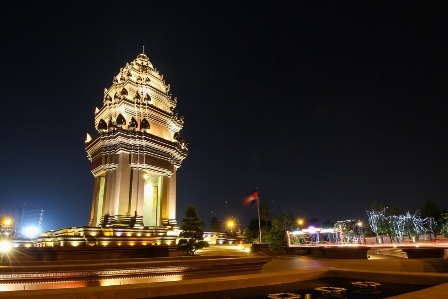
Le monument de l'Indépendance du Cambodge
Au cœur de Phnom Penh, le monument de l'Indépendance, conçu par Vann Molyvann et inauguré en 1962, commémore la souveraineté retrouvée du Cambodge.

Le marché central de Phnom Penh
Phsar Thmei, le marché central de Phnom Penh, allie architecture art déco des années 1930 et commerce quotidien sous un dôme de 50 mètres.
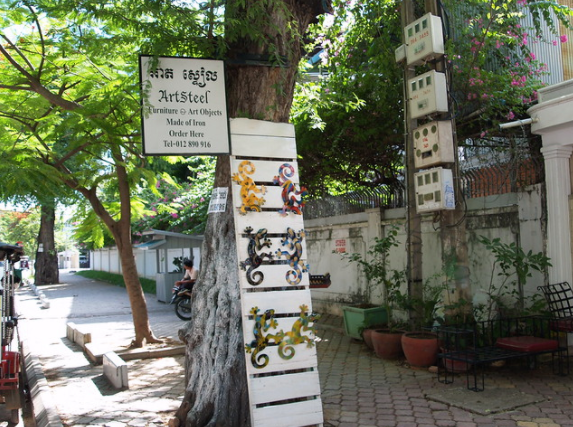
Les souvenirs de la rue 240
Au cœur du quartier de Daun Penh, la rue 240 rassemble les meilleures adresses d'artisanat khmer de Phnom Penh : soieries, savons, statuettes et ateliers.
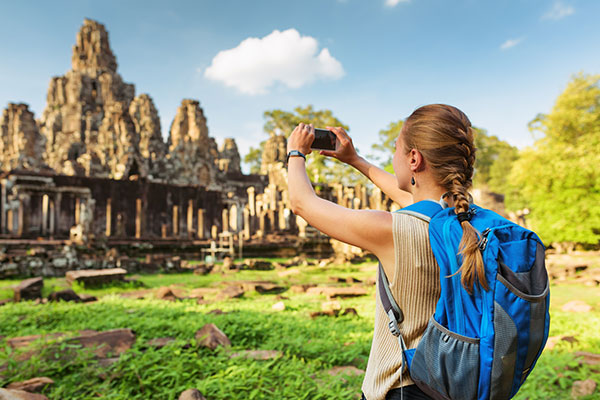
La pagode de Wat Ounalom
Plus ancienne fondation bouddhiste de Phnom Penh et siège de l'ordre Maha Nikaya, le Wat Ounalom rassemble 44 bâtiments à deux pas du Palais Royal.
Accommodation in Phnom Penh
See all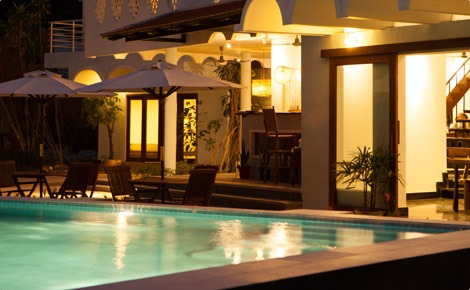
Iroha Garden Hotel Resort
Hôtel 4 étoiles situé Street 73 à Phnom Penh, avec chambres à balcon et villas indépendantes (Villa Theato) dans un quartier central bien desservi.
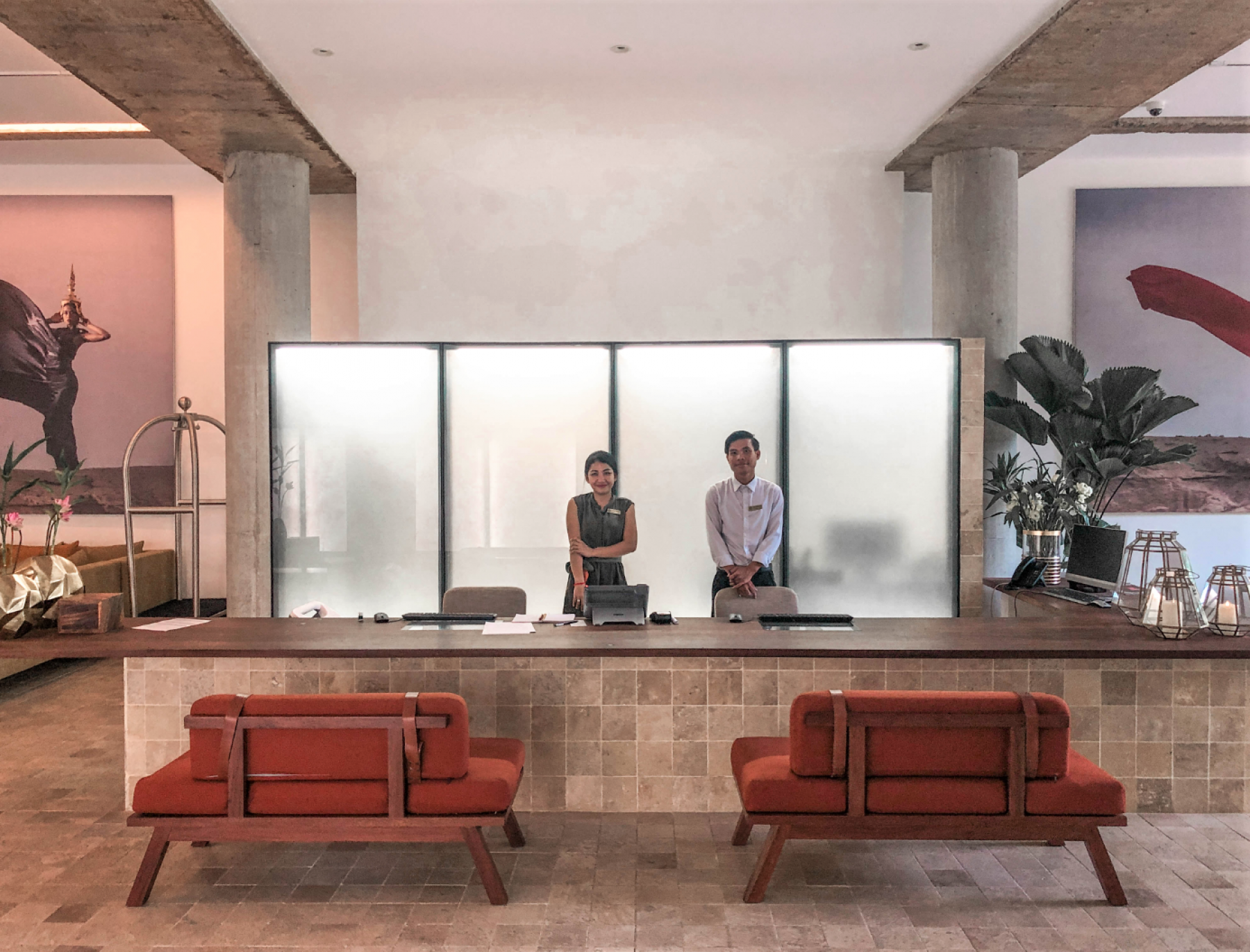
Penh House & Jungle Addition
Hôtel 5 étoiles rue 240 à Phnom Penh, à pied du Palais Royal, avec piscine et restaurant en rooftop.
Want to discover this destination?
Our local advisors design your tailor-made trip.