Gibbon Spotting
Gibbon Spotting
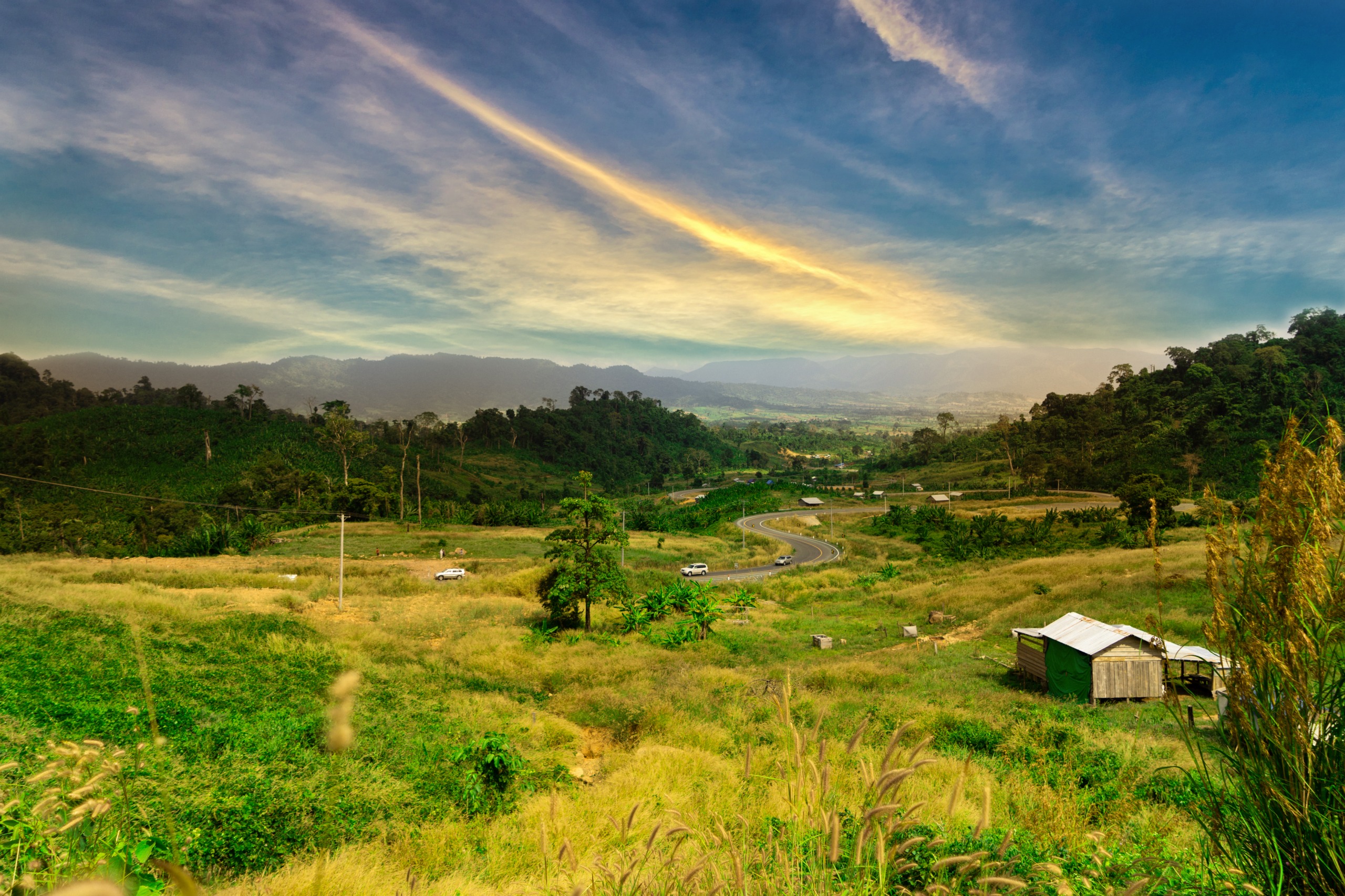
Gibbon Spotting is an official trekking experience organized in the Veun Sai Siem Pang region, a lush forest located in the north-east of Ratanakiri. Through the species that inhabit this forest, this part of Cambodia has become a natural conservation area for **endangered primates**.
Gibbon Spotting is an official trekking experience organized in the Veun Sai Siem Pang region, a lush forest located in the north-east of Ratanakiri. Through the species that inhabit this forest, this part of Cambodge has become a natural conservation area for endangered primates. For those passionate about wildlife, the Ratanakiri region offers an incredible adventure. This north-east corner of Cambodge provides a rare opportunity to discover the lives, biology, and conservation efforts for these rare primates.
Gibbon Spotting
Gibbon Spotting is an unforgettable experience to observe the Northern Yellow-Cheeked Gibbons in their natural habitat. In cooperation with Conservation International, local communities have organized daytime treks and night walks to exclusively observe nocturnal gibbons. This allows you to discover Cambodge from a perspective beyond culture and history.
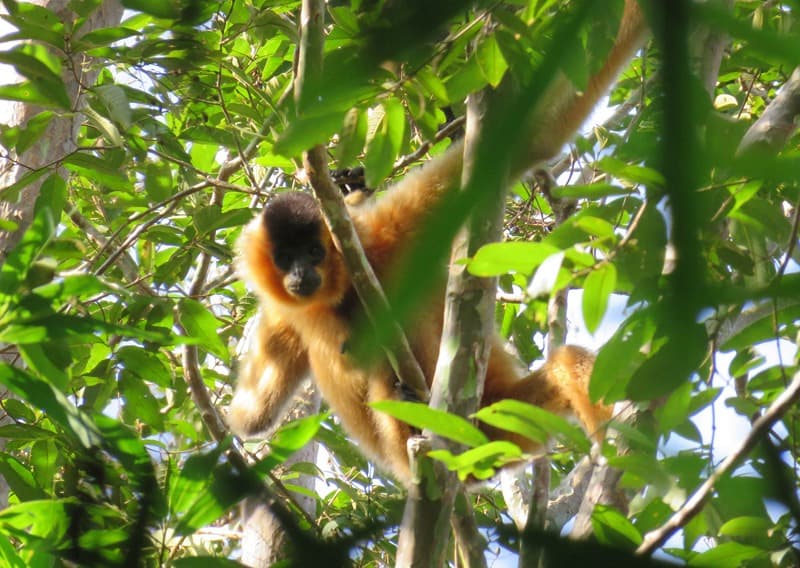
Discovered in 2010 in the Veun Sai Siem Pang forest, the North Yellow Cheeked Gibbon is an extremely rare primate species on the brink of extinction. It is a large ape with a slender body and exceptionally long limbs. Unlike other ape species, this gibbon stands out for the yellow hair that covers its head, cheeks, or entire body. These primates live in family groups consisting of two adults and one to three offspring. Across more than 550 km² of protected land, this natural sanctuary is home to over 500 gibbons. As a result, this region remains the world's most important conservation area for the largest population of these primates.
Beyond gibbons, you may also observe other newly discovered species. You can find short-legged iridescent lizards and Walston's tube-nosed bats.
From November 1st to June 16th—the best season to visit—trekkers depart from Banlung in Ratanakiri for 2 or 3 days. During these periods, participants enjoy two days of daytime trekking and one night of night walking to track and observe an entire gibbon family. To minimize human impact on the primates' natural habitat, the number of trekkers per group is limited to 6 people. This totals approximately 462 people per year, ensuring each visitor enjoys a complete experience.
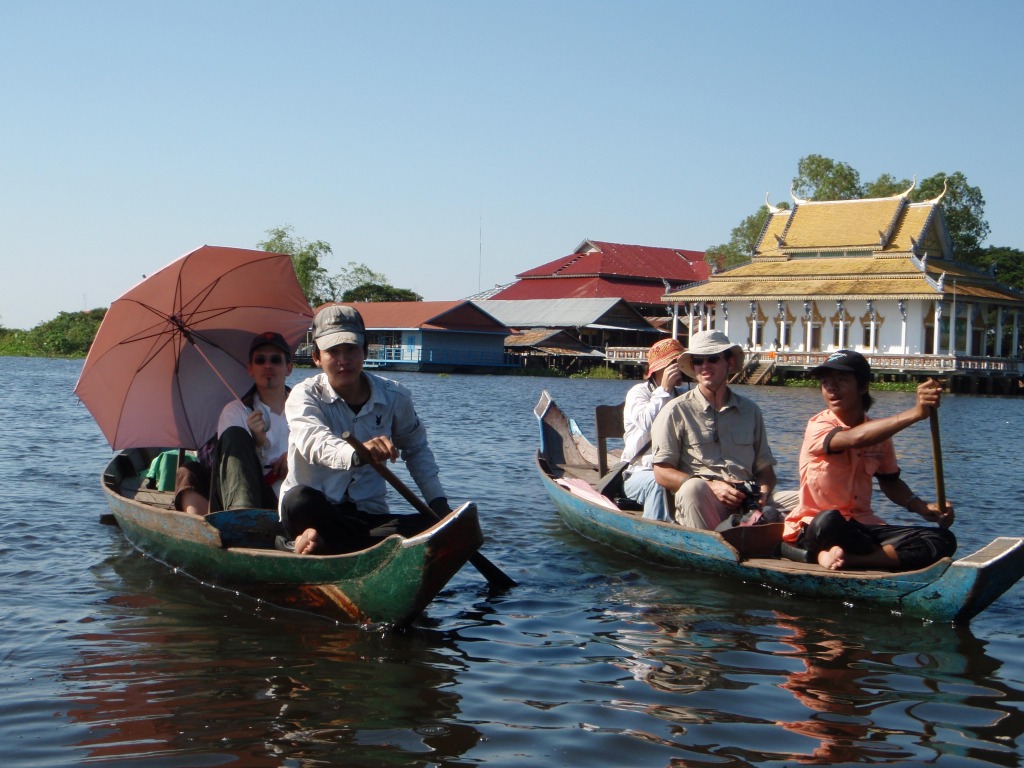
On the first day, trekkers depart from Banlung at 8:30 am and travel nearly 35 km to reach the village of Kachon. From there, a boat takes them downstream 12 km along the Sesan River to the village of I Tub, home to a Laotian community. The boat then continues toward Veun Sai-Siem Pang. Trekkers arrive at the sanctuary base around 12:30 pm.
To ensure comfort, the camps provide full equipment and an excellent safari-style menu. Around 3 pm after rest, the first trekking day begins with a walk through the nearby savanna. During this time, you may observe traces and signs of local wildlife on tree trunks, such as sun bear claw marks. You can also spot deer tracks and footprints of other quadrupeds.
For the night trek, the circuit starts around 8 pm and finishes around 10 pm. Accompanied by specialist guides or forest rangers, trekkers equipped with flashlights explore the forest to discover gibbons and other nocturnal animals including slow lorises and civets.
The second day of trekking focuses on discovering gibbons. To observe them properly, it is essential to wake before sunrise. For this reason, you depart camp at 4 am to follow gibbons as they call to family members to mark their territory. Afterward, trekkers return to base around 10 am, gather for brunch, and return to Banlung by the same boat.
For convenient access, depart from Banlung. You will find numerous English-speaking agencies offering the same Gibbon Spotting packages. Hotel pickup in Banlung occurs around 8:00 am.
Hours and Prices
Generally, all meals, specialist guide and forest ranger services, conservation fees, and mountain bike rental costs are already included in the trekking price.
Depending on the trekking agency, prices for the circuit range from $390 USD per person for a group of 2 to $290 USD per person for a group of 3 to 6 people.
Give it a go!
Our local experts arrange this activity for you.