Kampot Provincial Museum
Kampot Provincial Museum
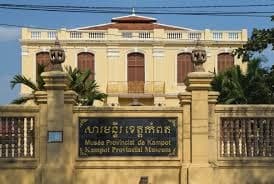
Opened in 2015 in the former French governor's building, Kampot Provincial Museum displays panels, photographs and pre-Angkorian artifacts.
Kampot Provincial Museum occupies the former French governor's residence, a colonial building completely renovated with the support of the International Association of Francophone Mayors (AIMF). Opened on January 29, 2015, it brings together maps, photographs and pre-Angkorian artifacts to trace the history of the city and its province, still poorly documented elsewhere.
Why visit the provincial museum
Small in size but dense in content, the museum fills a gap in museum offerings in southern Cambodge. It appeals both to travelers curious about Kampot's colonial architectural heritage and to those interested in the region's ancient history, marked by the Funan and Chenla empires. The visit takes less than an hour and complements a walk through the historic center nicely.
- A restored colonial building, testament to French presence in southern Cambodge
- Archaeological artifacts rarely exhibited in the provinces
- A clear chronological narrative thanks to bilingual panels
- A valuable complement to the country's major archaeological sites
Building history and museum creation
The building housing the museum is the former residence of the French governor of Kampot, built when the city served as a colonial port on the southern coast. Having fallen into disrepair, the structure underwent renovation supported by the AIMF, which supports several heritage projects in francophone cities across Southeast Asia.
Local authorities felt that a municipal museum was lacking to showcase the city's and province's history. The project came to fruition on January 29, 2015, with museum displays installed on the ground floor of the residence. The choice of location is not insignificant: the building itself is part of the experience, as a vestige of Kampot's colonial architecture.
What to see inside
The exhibition design remains understated and relies on three complementary types of displays.
Six large information panels
Installed on the ground floor, six panels trace the different stages of Kampot's and its region's history. They combine maps, images and explanatory narratives, allowing visitors to grasp the main periods in minutes: pre-Angkorian, Angkorian, colonial and contemporary.
Thirty-eight photographs
Thirty-eight photographs illustrate the panels. These include views of the city, port and colonial buildings, documenting Kampot's urban evolution over nearly a century.
About ten archaeological artifacts
The Fine Arts Museum has loaned about ten pre-Angkorian archaeological artifacts from the Funan and Chenla empires. These pieces were discovered in Kampot and its region, giving them particular value on site: they attest to human occupation well predating the Angkor period, a subject often overshadowed by the grand sites in the north.
Practical information
- Location: Kampot town center, in the former French governor's residence
- Duration: allow 30 minutes to 1 hour
- Entrance fee: moderate cost, verifiable on site
- Hours: confirm with the local tourism office, as opening days may vary
- Languages: displays in Khmer, French and English
Since the museum is not very clearly signposted, it helps to ask for directions by mentioning the former governor's residence, better known to locals.
What to see nearby
Kampot and its region offer several natural extensions to this historical visit.
- Kampot: the town center retains other colonial buildings along the river, to explore on foot or by bike
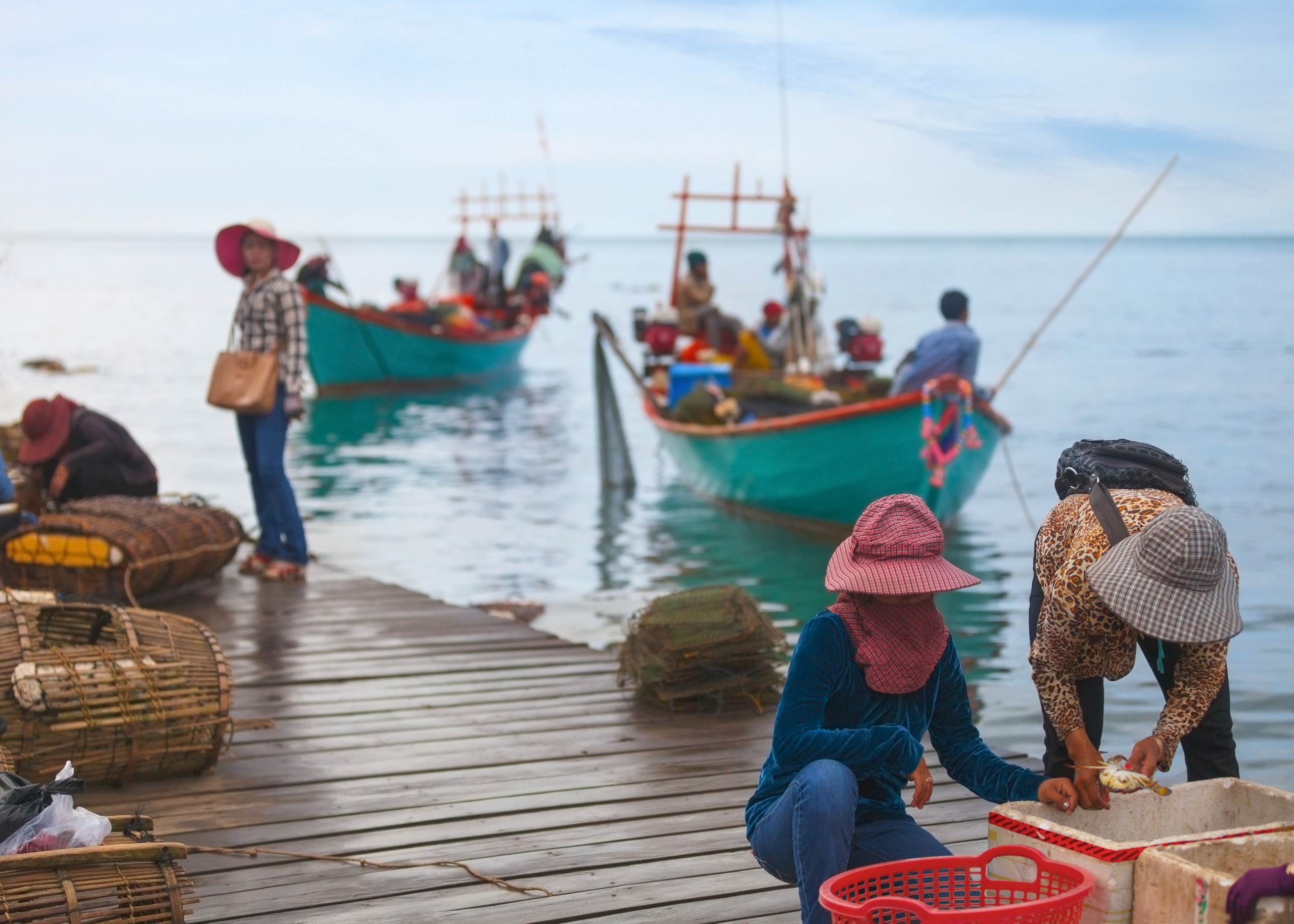
- Kep crab market: about thirty kilometers away, a delicious stop on the coast
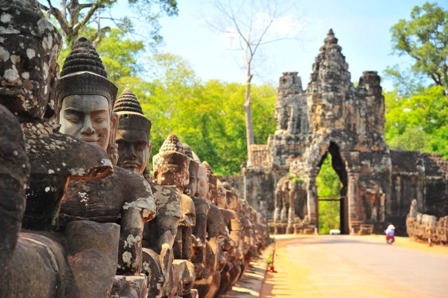
- Bayon temple: to place the museum's artifacts within the larger Angkorian narrative
- Cambodge Independence Monument: in Phnom Penh, a logical stop before or after Kampot
To incorporate Kampot and its provincial museum into a broader itinerary, consult our journeys through Cambodge and their variations through the country's south.
Nearby

Interested in this visit?
We can include it in your personalised itinerary.