Koh Kong Province
Koh Kong Province
Between the Gulf of Thailand and the Cardamom Mountains, Koh Kong conceals mangrove forests, ecolodges on the Tatai River, and one of Southeast Asia's largest rainforests.
Name: Koh Kong
Khmer Name: ខេត្តកោះកុង
Status: Province
Population: 139,722 inhabitants in 2008
Area: 11,160 km²
Koh Kong province is an unmissable destination during your visit to Cambodge. Here you'll discover the island's most beautiful treasures and its wonderful landscapes. Also enjoy the lively atmosphere of the coastline during your stay.
History
Koh Kong province was governed by the Siamese empire from 1795 to 1904. During the reign of King Mongkut, the province was called Prachankirikhet as the region was part of the same administrative division as Prachuap Khiri Khan. In 1904, the region and the city of Trat came under French Indochinese rule. However, the city of Trat was returned to Siam while Koh Kong remained part of French Cambodge.
After Cambodge's liberation from the Khmer Rouge in 1979, Koh Kong was relatively well-populated. A few years later, the province developed rapidly under the influence of Thai markets and immigration from other parts of Cambodge.
Today
Koh Kong is one of the country's largest provinces and is highly touristic, with numerous attractions located along the coast and in mountainous regions, including part of the Cardamom Mountains—Southeast Asia's largest rainforest.
Many travelers from Thailand visit the small port town of Koh Kong for a night's stay, just 8 km from the border. Indeed, today countless tourists pass through when entering and leaving Thailand. When visiting Koh Kong, don't leave without seeing its casinos, the only legal ones in the country. This is also what has made the province famous.
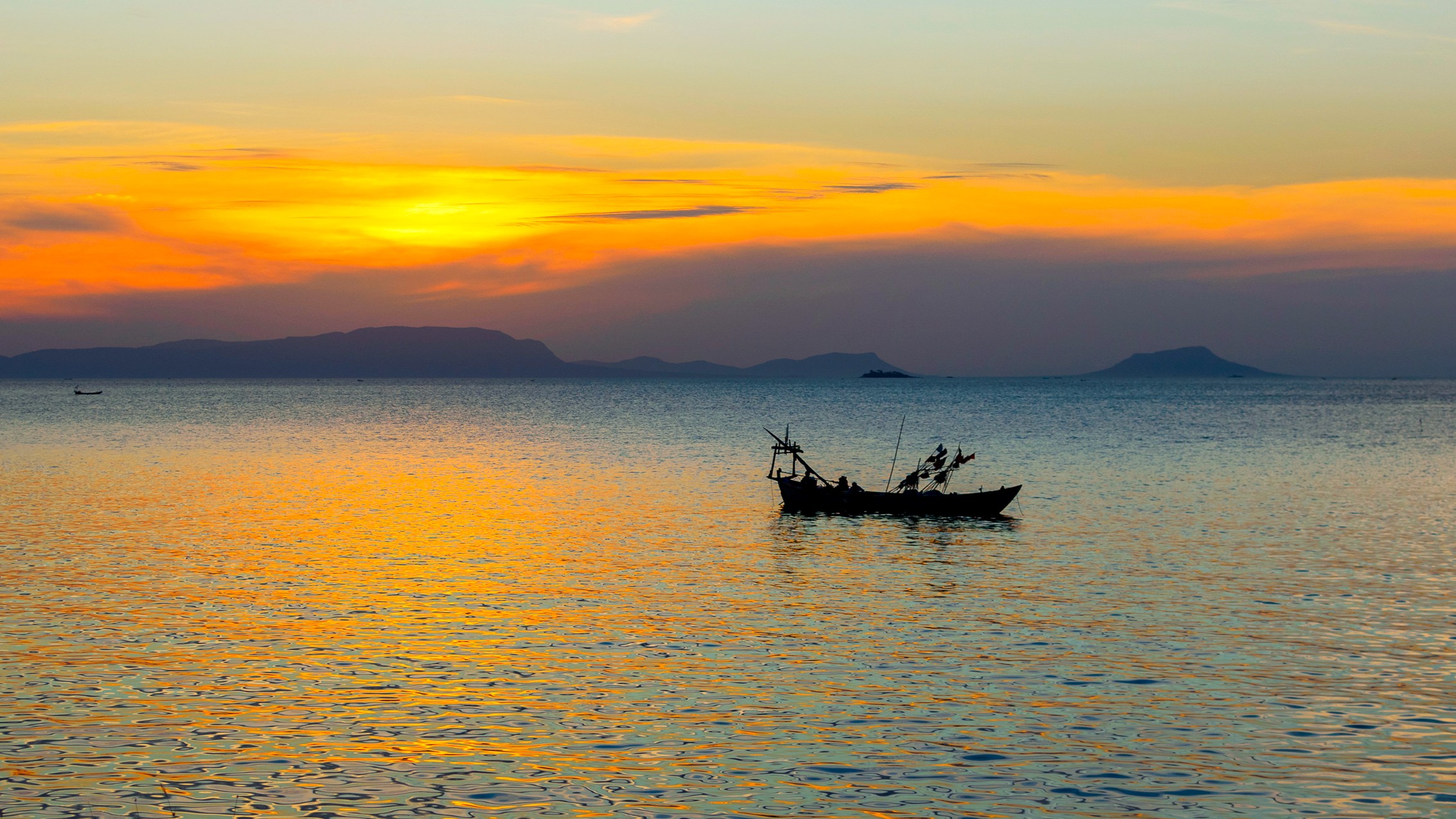
Despite the many tourists passing through Koh Kong province, you'll notice the town is quite peaceful. You can also visit its nearby islands, beautiful rivers, and go hiking in nature. However, in the evenings, the province comes alive with activity.
Irrawaddy Dolphins and Island Birds
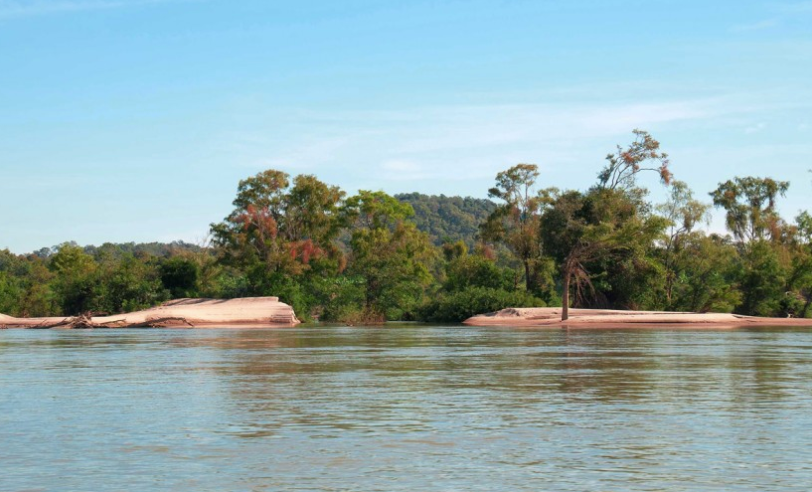
Since Koh Kong province lies between the Gulf of Thailand and the Cardamom Mountains, its mangrove-estuary system is the most intact in Southeast Asia, creating several protected zones. However, much of these areas is virtually inaccessible and therefore remains pristine and largely unexplored. The wildlife here is rare, exotic, and highly diverse. You can find dolphins, otters, the rarest and smallest deer species, and some felids found only in Asia. During your visit, you can take boat excursions to see the most famous species of all: the Irrawaddy dolphin living at the mouth of the estuary, among the mangroves.
Moreover, Koh Kong's coastline is also home to around twenty species of migratory shorebirds, such as the fork-tailed sandpiper, famous throughout the world.
Geography
Koh Kong is a coastal province located in southwestern Cambodge, with its capital at Khemarak Phoumin. It is the sole entry point to the southern region of Cambodge, at the border with Thailand. The province also comprises several small islands, separated by the waters of the Gulf of Thailand. Wildlife is abundant here, as are impressive waterfalls. Today, Koh Kong also boasts modern port facilities. A large portion of the province encompasses part of the Cardamom Mountains, including Cambodge's largest national park and part of Kirirom National Park.
Koh Kong province covers 11,160 km². It is situated in western Cambodge and shares its northern border with Pursat province, its eastern and southern borders with the Gulf of Thailand, and its western border with Kampot and Sihanoukville. Blanketed in lush rainforest, Koh Kong is Southeast Asia's largest forest region. You can see the expansive plains of Cambodge, rice fields stretching to the horizon, and numerous agricultural fields.
Population
Koh Kong province is home to approximately 207,474 inhabitants, or 1.45% of Cambodge's total population. Population density stands at 18.6 inhabitants per square kilometer.
Residents of Koh Kong primarily speak Khmer, but many also speak Thai. Some speak Chinese or Vietnamese, and numerous inhabitants also use English for communication.
Economy
Koh Kong's economy can be described as growing; it has indeed evolved rapidly thanks to border development.
The province's main activities are primarily agriculture and related sectors. However, commercial activities and services linked to food and tourism are the most common. Your stay in Koh Kong will be economical as accommodation, food, and transport are relatively affordable.
Climate
Koh Kong's climate is tropical, hot, and humid. During monsoon season, rainfall is abundant, allowing the region to enjoy great agricultural diversity. Average temperature is around 27°C and the minimum temperature around 16°C. December and January are the most favorable months to visit, while April is the warmest month.
There are flights departing from the capital, Phnom Penh, but the province is also accessible by boat from Kampong Som. It's also possible to drive from Phnom Penh and then take a boat from the town of Sre Ambel in the north or from Sihanoukville via national road 4.
By Bus
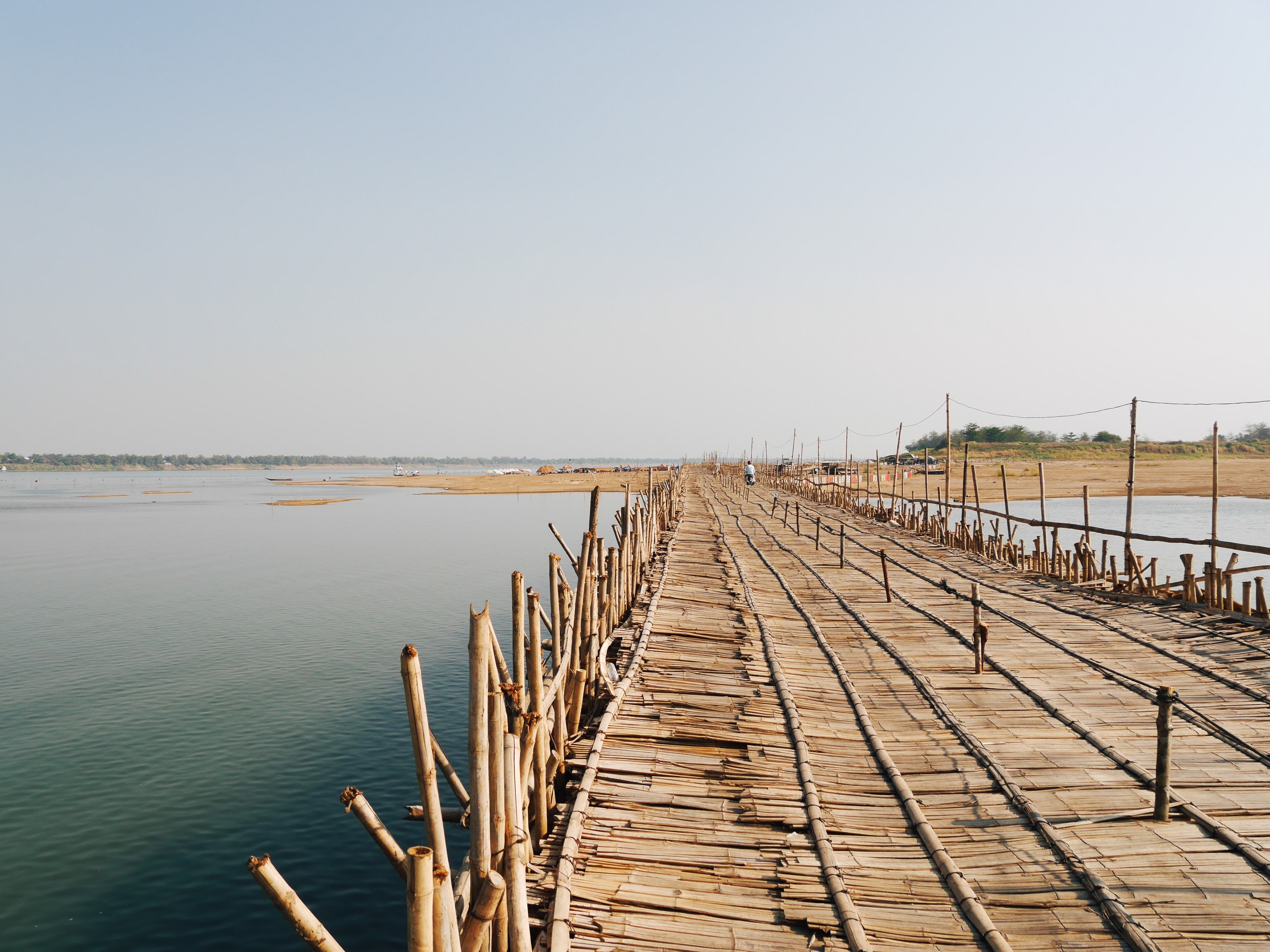
Several bus companies connect Koh Kong to Sihanoukville or Phnom Penh. You will cross the rivers that isolate Koh Kong Province, which can now be crossed via bridges.
By Boat
The boat journey from Sihanoukville costs 600 Baht.
In Koh Kong, the most common means of transportation are motodops, which operate on commission. If you plan to spend a few days in Koh Kong, the motodop is the most economical way to explore the region.
What to Do?
- Enjoy the lively evenings along Koh Kong's coasts.
- Take a boat excursion to see Irrawaddy dolphins and discover rare animal species.
- Discover the also-rare bird species of Koh Kong.
- Explore the beautiful rice fields of the province, stretching as far as the eye can see.
Best Times to Visit Koh Kong
The best periods to visit Koh Kong province are in December, January, and April.
Want to discover this destination?
Our local advisors design your tailor-made trip.