Siem Reap
Siem Reap
From dawn over Angkor Wat to the floating villages of Tonlé Sap, Siem Reap concentrates the essence of Cambodia within just a few kilometers. Our guide to experiencing it at its best.
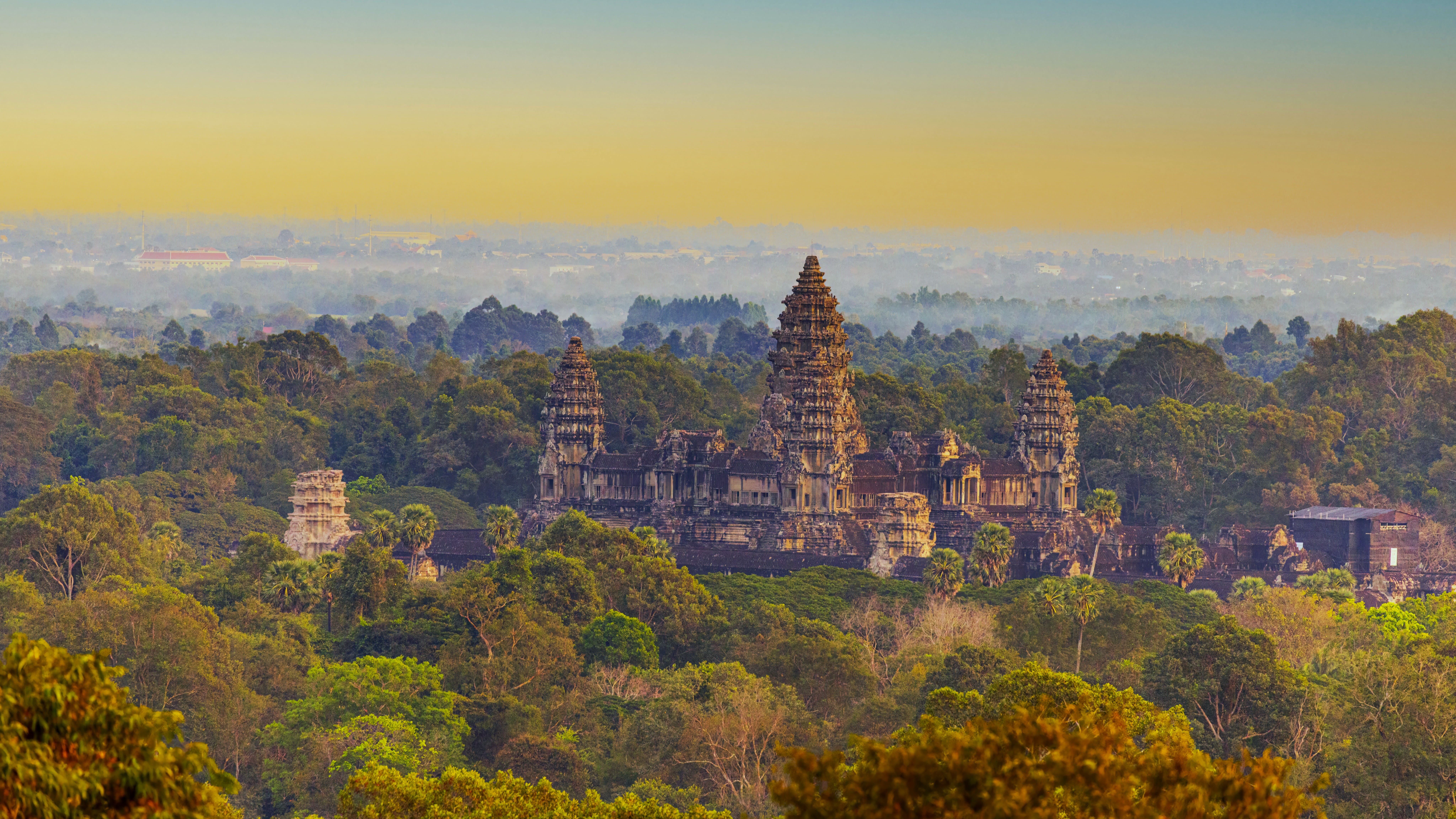
Siem Reap is the provincial capital of Siem Reap Province. Situated approximately 314 km northwest of the capital Phnom Penh, this city lies near the archaeological site of Angkor. It is therefore an essential destination for travelers visiting Cambodge. It is widely regarded as the gateway to the celebrated Angkor temples, the most significant tourist attraction in Siem Reap and Cambodge itself.
History
The name Siem Reap, meaning "the Siamese are defeated," evokes a battle between Siamese and Khmer armies. The Siamese forces came from the Siam kingdom, known today as Thailand.
Siem Reap Province came under Siamese military control in 1907. A century later, it was returned to Cambodian administration. The EFEO, the French School of the Far East, was designated as responsible for excavating, restoring, and maintaining the Angkor site.
The Khmer Rouge governed the region from 1975 onward.
Siem Reap Today
Siem Reap is a city in full development. Its tourist attractions are flourishing. The tourism sector has been accelerating since the 2000s. As a guarantor of foreign capital inflows, most hotels and shops in the city have been built around the Old Market. The remainder concentrates around Siem Reap-Angkor International Airport and along National Route 6. Since 1994, the Angkor temples have also begun to flourish on the tourism front.
The architecture of today's city is shaped by a modern and colonial style. This reflects the history of the French presence in Cambodge. Siem Reap is home to a French Quarter located around the Old Market, featuring colonial-style structures designed with numerous elements of traditional Khmer architecture.
In 2008, Siem Reap's population numbered approximately 175,000 inhabitants. The majority of its residents are of Vietnamese origin. In the 1970s, during the war with America, many Vietnamese fled their country to settle in this part of Cambodge.
The activity most appreciated by tourists in the region is dining like a Khmer. Khmer gastronomy is regarded by locals as a culinary heritage in its own right. Traditionally, Khmers eat sitting on the ground. In contrast, due to its colonial history, the city is also witnessing the development of foreign cuisine. During your stay, you can find French and Italian gastronomy.
Siem Reap is also famous for its liqueur called Sombai. This is a local beverage inspired by Sraa Tram, a rice wine that Cambodians traditionally drink. The bottles of these beverages are hand-painted, making them highly valued artisanal products among Cambodge's visitors. The city even hosts a tasting room dedicated to this drink within a traditional Khmer wooden house. This venue has become one of the city's tourist attractions.
To trace the entire history of Khmer civilization, the Angkor National Museum remains an essential destination when visiting Siem Reap. It presents several galleries that house the cultural and historical heritage of the region. These artifacts also bear witness to the richness of local art in ancient times.
The Tonlé Sap guarantees biodiversity in Siem Reap. The word Tonlé Sap means in Khmer "a great freshwater river." It is Southeast Asia's largest freshwater lake. It is home to nearly 300 species of freshwater fish and over 100 varieties of aquatic birds such as storks and pelicans.
Situated just a few kilometers from Siem Reap, the Angkor temples remain the most important attraction in Siem Reap Province and Cambodge. It is also one of Southeast Asia's major Buddhist pilgrimage destinations. It is a vast archaeological site classified as a museum of Angkorian civilization. Among the ruins and ancient architecture, you can discover the last great capital of the Angkorian Empire during your visit.
Climate
According to the Köppen-Geiger classification, Siem Reap enjoys a tropical climate with a dry winter and a very humid summer featuring significant precipitation. It records an average precipitation of 29.9 mm. In September, during the rainy season, it experiences more than 500 mm of precipitation.
Throughout the year, the average temperature is 28.9°C. April is the hottest month of the year; temperatures can reach 41°C. During the coldest period of the year, in December, temperatures can drop to 26°C.
Airplane
The city has an international airport called Siem Reap-Angkor International Airport. It is located 30 minutes by tuk-tuk from the city center.
Boat
Daily at 7 a.m., Siem Reap is connected to Phnom Penh by boat traveling up the Tonlé Sap from a small village located 13 km from Siem Reap. The boat connects the two cities in approximately 4 to 5 hours.
Bus
Siem Reap has a bus station located 8 km from the city center. From Phnom Penh, the journey can take 6 to 7 hours. It is also served by several local and cross-border bus lines, including services from Thailand, Laos, and Vietnam.
Bicycle
To discover the beauty of the city, cycling is the most practical way to navigate. Widely used by Cambodians, this mode of transport is the best way to embrace local culture.
Tuk-Tuk
Siem Reap is served by tuk-tuks. This is the most common means of transport in the city. Fares depend on the distance traveled and the number of passengers on board.
What to Do?
Attractions in Siem Reap
See all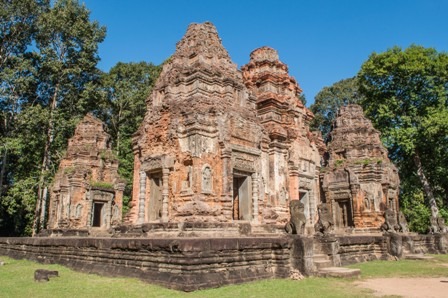
Le complexe archéologique de Roluos
À 15 km de Siem Reap, Roluos rassemble les vestiges de Hariharalaya, première capitale angkorienne. Ses temples du IXe siècle annoncent l'architecture d'Angkor.
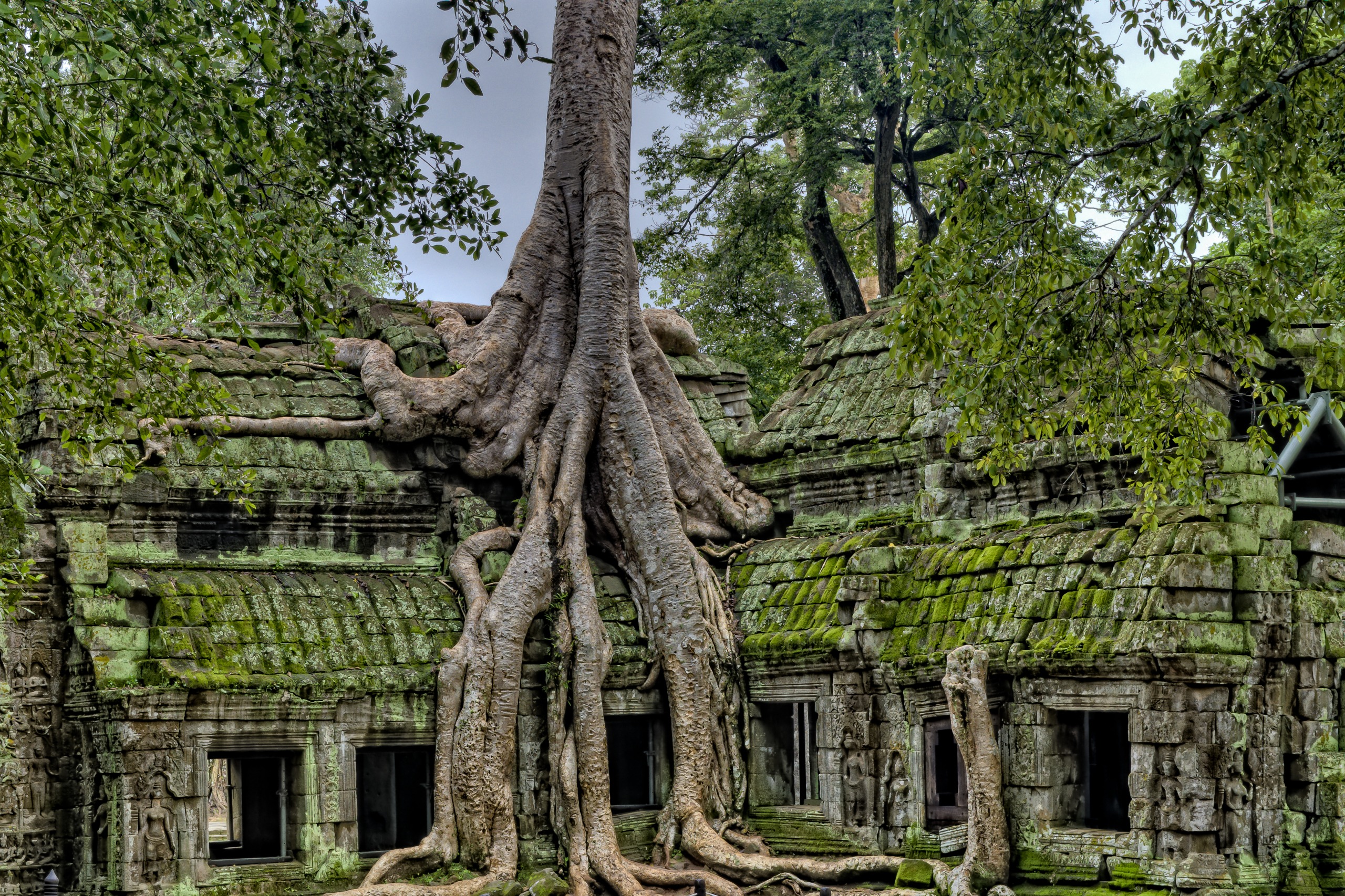
Ta Prohm
Temple bouddhiste du XIIe siècle dans le parc d'Angkor, Ta Prohm est célèbre pour ses ruines enserrées par les fromagers et son rôle dans Tomb Raider.
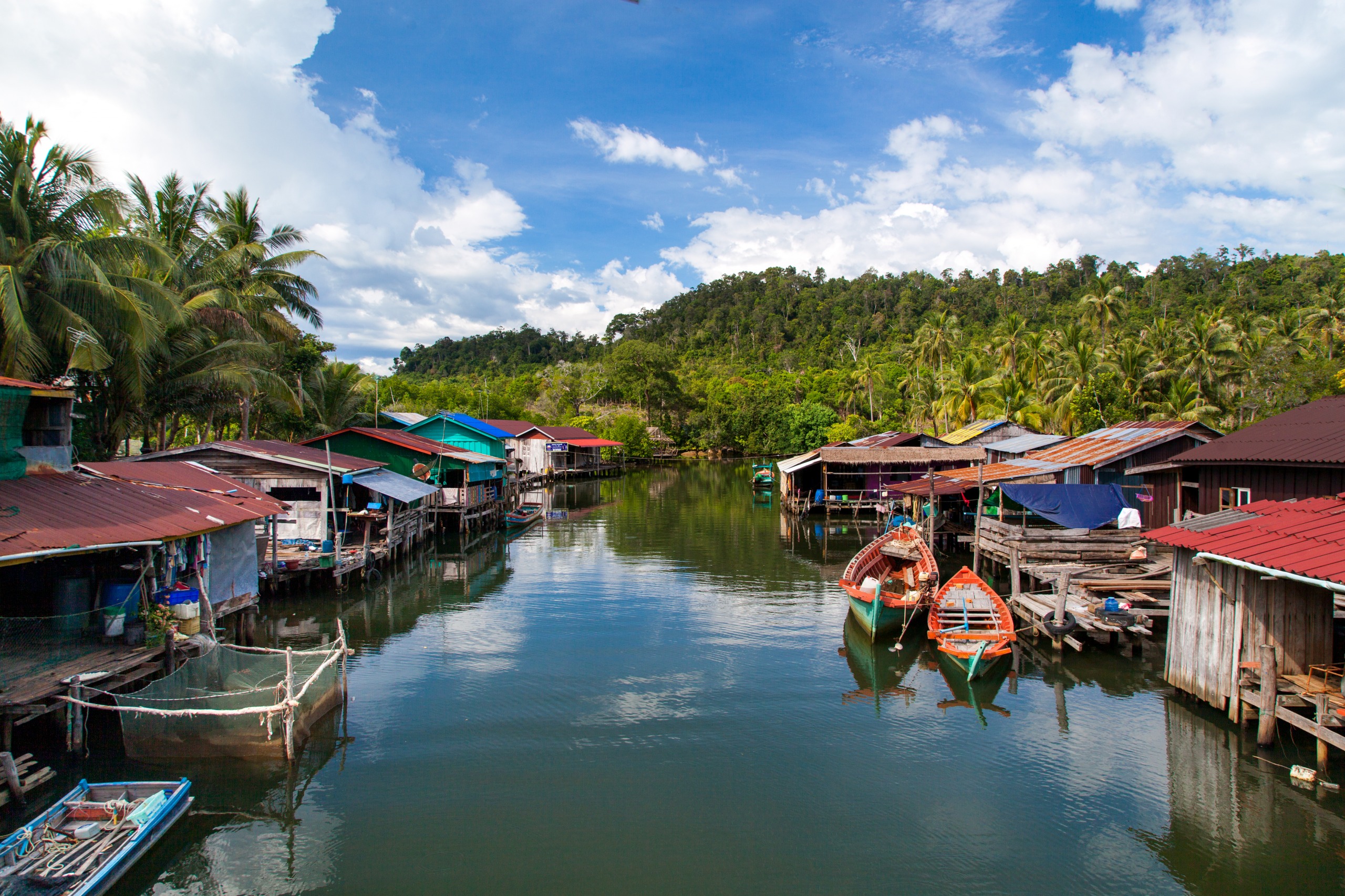
L'immense lac Tonlé Sap
Plus grande étendue d'eau douce d'Asie du Sud-Est et Réserve de Biosphère UNESCO, le Tonlé Sap se visite depuis Siem Reap via ses villages flottants.
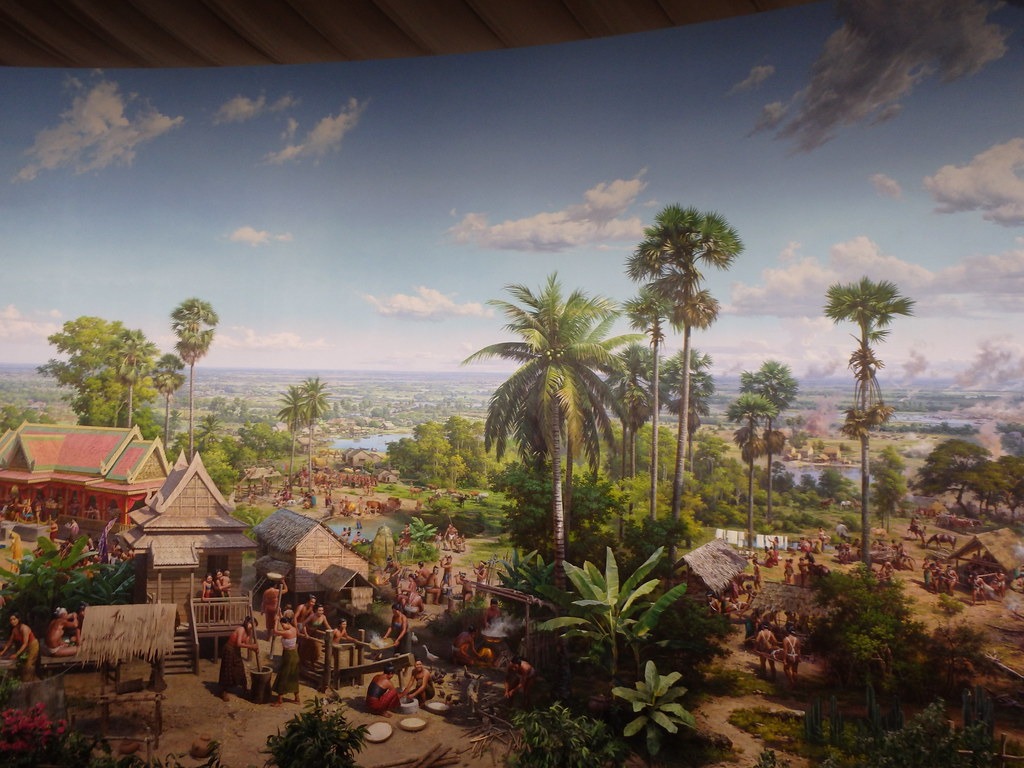
Le musée Angkor Panorama
À Siem Reap, le musée Angkor Panorama raconte la civilisation khmère par une fresque géante, une maquette des 25 temples majeurs et un film 3D.
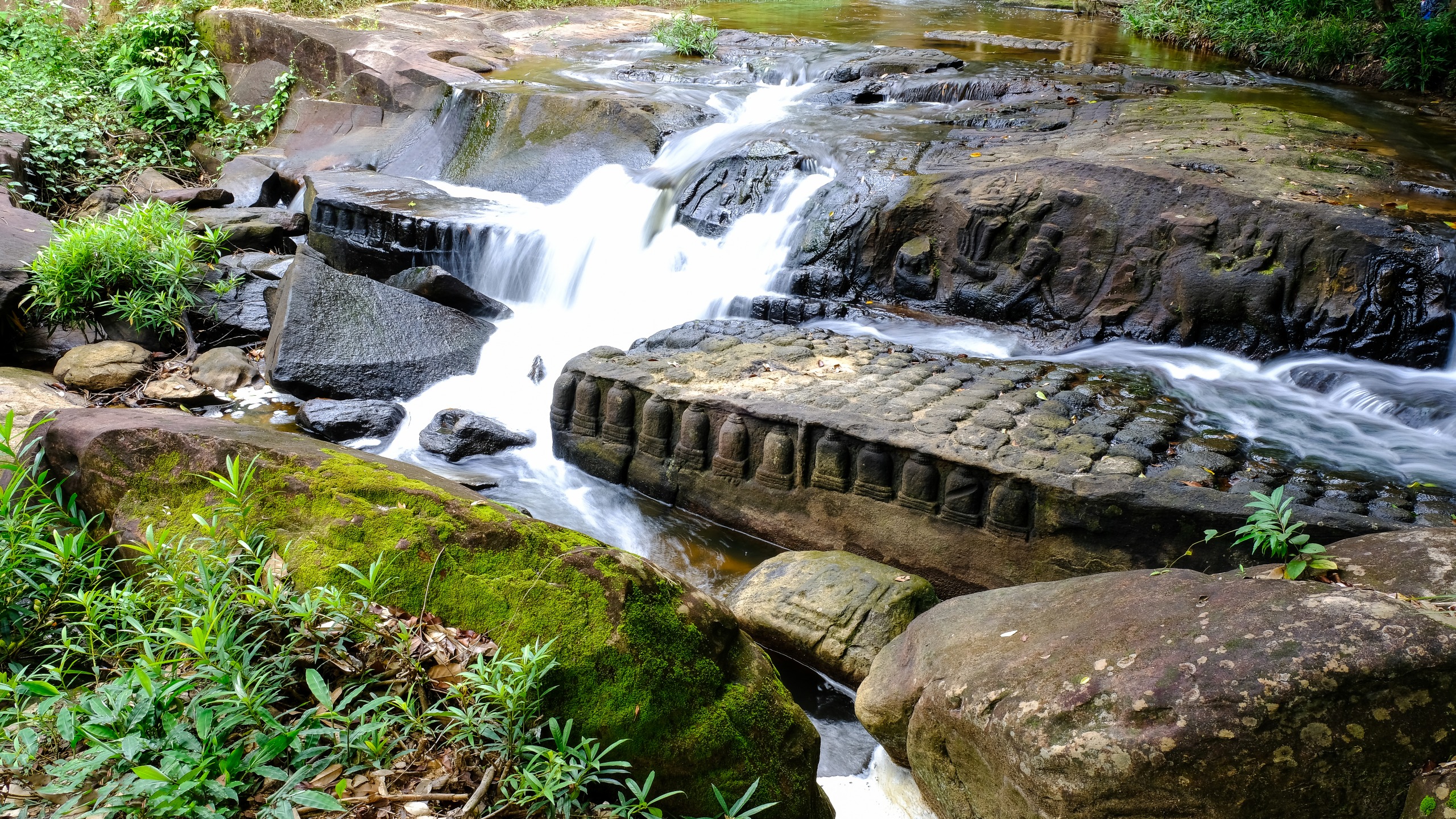
Kbal Spean
Site archéologique khmer à 50 km de Siem Reap, Kbal Spean révèle un lit de rivière sculpté de centaines de lingas et de bas-reliefs hindous des XIᵉ-XIIᵉ siècles.
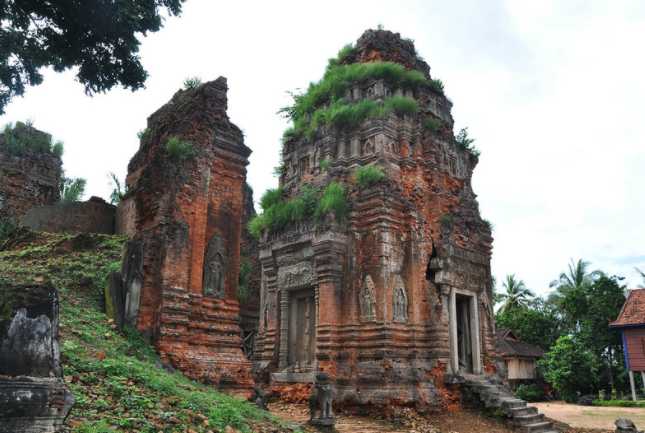
Le temple de Lolei
Édifié en 893 par Yasovarman Ier au centre du baray d'Indratataka, Lolei marque la transition entre Hariharalaya et Angkor. Quatre tours dédiées à la famille royale.
Accommodation in Siem Reap
See all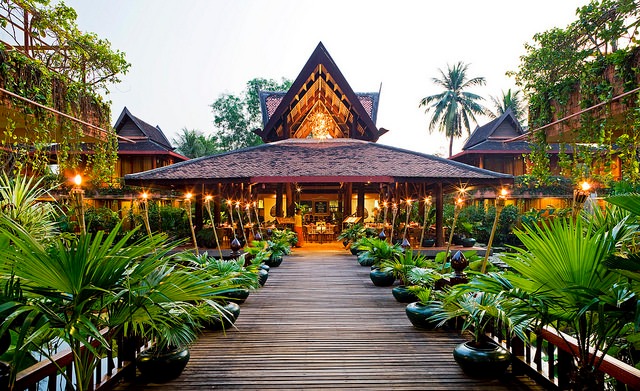
Angkor Village Hotel
Hôtel 4 étoiles dans le quartier calme de Wat Bo, à Siem Reap. Architecture en bois traditionnelle, jardins et bassins, à distance de marche du centre.
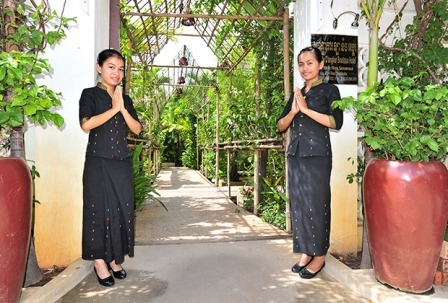
La Niche d'Angkor Boutique Hotel
Boutique hôtel 4 étoiles dans le quartier calme de Wat Damnak à Siem Reap, à ~20 min en tuk-tuk de l'aéroport, proche des temples d'Angkor.
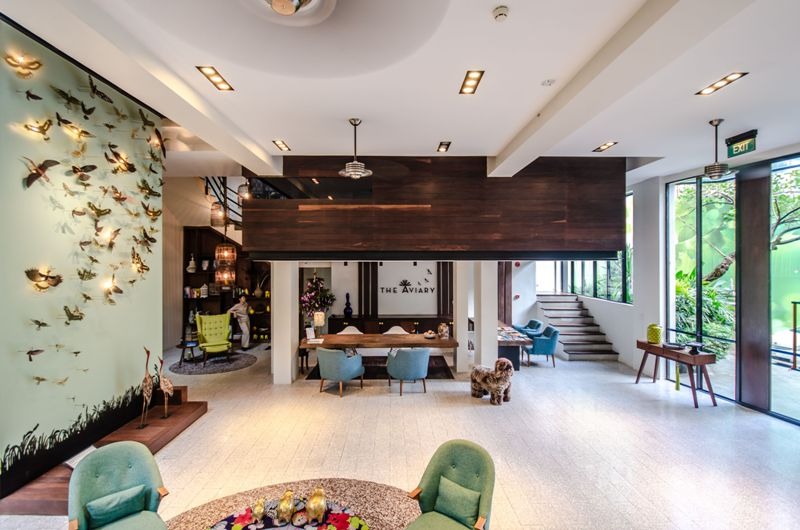
The Aviary Hotel
Hôtel 4 étoiles en centre de Siem Reap, avec deux piscines, rooftop bar et accès à pied aux marchés et quartiers touristiques.
Want to discover this destination?
Our local advisors design your tailor-made trip.