Can Gio
Can Gio
Located 50 km from Ho Chi Minh City, Can Gio unfolds an UNESCO-listed mangrove, salt ponds, an aquaculture market, and the memory of the Viet-Cong base at Rung Sac.
Can Gio, the mangrove at Ho Chi Minh City's doorstep
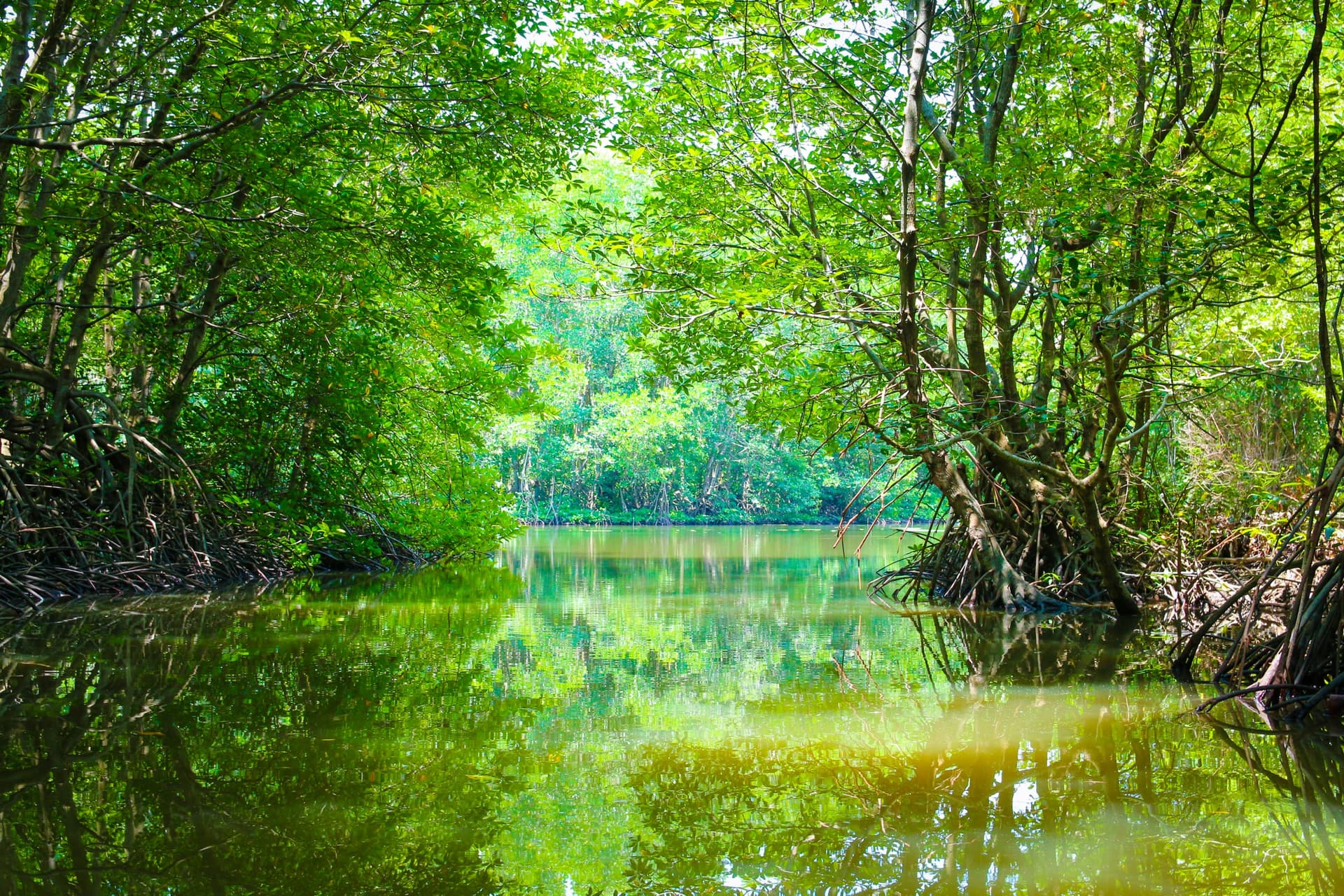
Some fifty kilometres south-east of Ho Chi Minh City, Can Gio district spans a vast delta where the Saigon, Dong Nai and Long Tau rivers converge before reaching the sea. The region stands out for its mangrove covering nearly 75,000 hectares, designated in 2000 as a UNESCO biosphere reserve — Vietnam's first to receive this status. Far from the metropolis' hustle and bustle, Can Gio offers a tangible understanding of the south's coastal ecosystems and their recovery following the defoliants sprayed during the Vietnam War.
Why visit Can Gio
Can Gio is one of the rare nature escapes accessible in a single day from Ho Chi Minh City. The territory combines several complementary attractions:
- A mangrove reconstructed on the sediments of the Dong Nai and Long Tau rivers, considered a benchmark case for ecological rehabilitation in South-East Asia.
- UNESCO biosphere reserve status guaranteeing protection of wildlife and flora unique to brackish environments: mangrove trees, crocodiles, otters, bats, waterfowl.
- Historical significance tied to the Viet-Cong base at Rung Sac, hidden within the mangrove during the conflict.
- A local economy centered on aquaculture, salt production and fishing, directly visible at Can Gio market.
What to see and do
Can Gio mangrove park
The heart of the reserve, the park covers approximately 70,000 hectares of mangrove developing on sediments carried by the Dong Nai and Long Tau rivers. Wooden boardwalks and boat excursions allow observation of typical mangrove vegetation, as well as the channels where crabs, fish and birds circulate. A small museum showcases local fauna and flora and preserves testimonies from the war in the region, notably reconstructed facilities evoking the Rung Sac base. Hundreds of monkeys (crab-eating macaques) live semi-wild around the museum; it is recommended to keep bags and sunglasses out of reach.
Thanh An island and the salt ponds
Several salt ponds have been developed as evaporation basins on the island. While Can Gio beach does not draw crowds — its grey silty sand is typical of deltaic coastlines — the brackish waters prove highly conducive to shellfish and shrimp farming, which constitute one of the district's primary economic resources.
Can Gio market
The market is one of the region's main distribution points for aquaculture products: shrimp, crabs, fish and shellfish brought ashore each morning by local fishermen. Vegetables and fruits generally come from the Ho Chi Minh City area. It is the most direct place to gauge fishing's importance in Can Gio's economy and taste exceptionally fresh seafood at nearby food stalls.
Practical information
- Allow a full day from Ho Chi Minh City to explore the mangrove, museum and market without rushing.
- Wear lightweight loose clothing, sun protection, insect repellent and plenty of water.
- Mangrove trails can be slippery: closed-toe shoes are advisable.
- Park entrance fees remain modest; guided boat excursions are additional to the basic ticket.
When to go
The dry season, from December to April, offers the most comfortable conditions: clear skies, walkable paths, easier wildlife observation. The rainy season (May to November) greens the mangrove but can make some boat trips unpredictable. Also check tidal schedules: at low tide, brackish waters recede and expose benthic fauna; at high tide, navigation through channels flows more freely.
How to get there
From central Ho Chi Minh City, the classic route goes through the Binh Khanh ferry, which crosses the Soai Rap river to reach the peninsula. The total journey typically takes 1.5 to 2 hours by car or motorbike, depending on traffic leaving the city. Several agencies offer full-day excursions including transport, ferry and English-speaking guide, a formula worth choosing for a first visit.
Nearby
Before or after your Can Gio escape, several other sites complement your discovery of Ho Chi Minh City and surroundings:
- The Botanical Garden and Zoo, in the heart of the metropolis, offers a glimpse of south Vietnam's tropical flora.
- Ba Den mountain, to the west, extends exploration of the delta's natural landscapes.
- Further west, Ba Chuc preserves memories of the dark hours along the Khmer border.
Extend your journey
Can Gio naturally fits into a circuit around Ho Chi Minh City blending nature, history and delta culture. To build a complete itinerary across Vietnam, explore our Vietnam journeys and let our advisors tailor the Can Gio stage to your pace.
Interested in this visit?
We can include it in your personalised itinerary.