Phnom Neang Kangrey Nature Reserve
Phnom Neang Kangrey Nature Reserve
Ten kilometres from Kampong Chhnang, Phnom Neang Kangrey combines a Tonle Sap crossing, a rural village and the ascent of a forested hill with sweeping panoramic views.
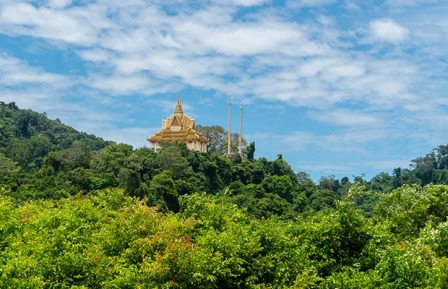
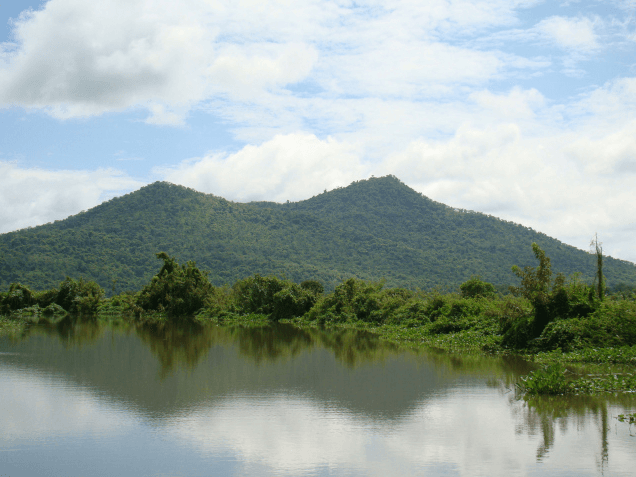
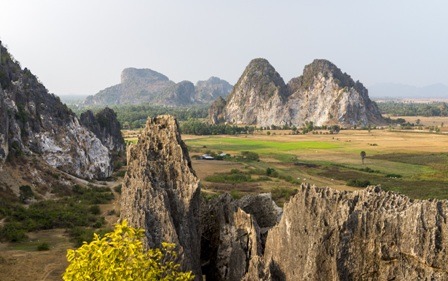
About ten kilometres from Kampong Chhnang, the Phnom Neang Kangrey nature reserve is a wooded ridge that stands out distinctly above the Tonle Sap River. The site combines a river crossing, a rural village and the ascent of a forested hill offering sweeping panoramic views over the province. It is a full-day excursion, complementary to the better-known attractions of the provincial capital (floating market, pottery villages).
Why visit Phnom Neang Kangrey
The appeal of the place lies in three elements. First, the crossing of the Tonle Sap from the Kampong Chhnang landing stage to Trabek village on the east bank, which is an experience in itself. Second, forest walks at the foot of the ridge, in a well-preserved rural environment. Finally, the ascent of a gentle hill that opens onto rare panoramic views in this central part of Cambodge.
The site remains relatively little visited compared to major destinations in the country. You will find more villagers and local pilgrims than international visitors, making it an interesting stop for those wishing to venture off the beaten tourist trail between Phnom Penh and Siem Reap.
What to see and do
Crossing the Tonle Sap
From the Kampong Chhnang landing stage, a local ferry connects the east bank in just a few minutes. The view of the wooded mountain gradually emerges as you approach Trabek. On the water, you will spot fishing pirogues and observe the river life that characterizes this part of the Tonle Sap basin.
Trabek village
On arrival, Trabek offers a glimpse of everyday Khmer rural life: stilt houses, rice paddies, small shops. This is where the approach to the ridge begins, either by local transport (motorcycle taxi, tuk-tuk) or on foot if you have the time.
Climbing the hill
The ascent is not technically difficult, but the trails are poorly marked and vegetation is dense. The presence of a local guide is highly recommended to avoid getting lost and to locate points of interest. At the summit, panoramic views open up in all directions:
- Kampong Chhnang and its river to the west;
- the mouth of Tonle Sap Lake a few kilometres to the north;
- the Kampong Thom region to the east;
- the river meanders to the south.
When to visit
The dry season, from November to April, remains the most comfortable period for walking: trails are passable, visibility is clear from the summit. Mid-December and mid-May are often cited by local guides as favourable windows, at the transition between seasons, when temperatures remain bearable and vegetation is still green. Avoid the height of the rainy season (July-September), when trails become slippery.
How to get there
The starting point is Kampong Chhnang, accessible from Phnom Penh by bus or private car (approximately 90 km north). From the city centre, head to the landing stage to take the ferry to Trabek. The crossing is short and frequent during the day. Once on the other side, allow for about ten kilometres to the foot of the ridge, to be arranged locally with local transport.
Practical information
- Duration of visit: allow for a full day, crossing and ascent included.
- Guide: recommended, to be arranged in Kampong Chhnang or Trabek.
- Equipment: hiking shoes, plenty of water, sun protection, snacks for the summit.
- Level: accessible to walkers in average fitness; the elevation gain is moderate.
Nearby attractions
The province of Kampong Chhnang allows you to combine several visits over two or three days. The Andong Russey pottery village is the most obvious complementary stop, to be paired with the floating market of the provincial capital. Further north, Tonle Sap Lake and its floating villages naturally extend exploration of this river ecosystem. To continue your itinerary, the Angkor temples (notably the Bayon temple) are located a few hours' drive to the north-east.
Frequently asked questions
Yes, it is strongly recommended. The trails are poorly marked and vegetation is dense. A local guide knows the paths and viewpoints, and facilitates contact with villagers you may meet along the way.
A full day from Kampong Chhnang: crossing the Tonle Sap, transfer to the foot of the ridge, ascent, lunch at the summit and return.
The dry season, from November to April. The transition periods around mid-December and mid-May are particularly appreciated by local guides for walking comfort.
Extend your Cambodge experience
Phnom Neang Kangrey fits into an itinerary centred on Kampong Chhnang province, but can also be added to a longer circuit between Phnom Penh and Siem Reap. To plan a bespoke trip incorporating this rural stop, explore our Cambodge travel suggestions.
Nearby
Interested in this visit?
We can include it in your personalised itinerary.