Cambodia's Emblematic Animals
Cambodia, an exotic territory seen from Europe, even unknown and waiting to be fully discovered—in the mid-19th century it was, and still is, home to particularly symbolic animals sought by travelers.
Cambodia, an exotic territory seen from Europe, even unknown and waiting to be fully discovered—in the mid-19th century it was, and still is, home to particularly symbolic animals sought by travelers. Here is a review of authentic creatures that can still be found in Cambodia today.
The Javan rhinoceros, one of the animals that long remained among the most emblematic of Southeast Asian forests and countryside, has disappeared from Cambodia and former Indochina a decade ago. The last herds lingered for a time in Vietnam before poachers definitively erased them from the Southeast Asian map in 2010. On the other hand, the international organization WWF publishes annually a report detailing expert research into the discovery of new plant and animal species. In early 2019, they confirmed finding in Cambodia rhacophorus rhodopus, a frog never before seen on Earth!
In the kingdom, many animals today are close to extinction, particularly Asian elephants, Indochinese leopards, and Irrawaddy dolphins. This is notably due to deforestation and human influence on the Mekong. These creatures are also among the most sought-after by travelers during a stay in Cambodia; rarity attracts greatly, but it is important to respect the guidelines set by the International Union for Conservation of Nature (IUCN), which assesses the factors and causes linked to potential animal extinction.
You will have no trouble discovering in the Khmer countryside and hinterland common animals such as gaurs, oxen, cattle, water buffalo, or, more rarely, the kouprey—one of the country's emblematic animals, endangered, and mascot of the upcoming women's world petanque championship to be held in Phnom Penh in November!
Making a Responsible Choice to Discover Elephants
According to the Cambodia Elephant Rescue Organization, which has implemented the Mondulkiri Project for several years to protect this animal species, the number of elephants on Cambodian territory is estimated at 400. The discovery and viewing of this legendary creature are highly sought by travelers from around the world, but one must be responsible about it. Many sanctuaries and organizations are. Our agency works with two of them: the Mondulkiri Project itself and the Elephant Valley Project. Both organizations ensure they ban the practice of riding on the backs of pachyderms (explanations here), whereas others try to rehab this practice to favor its appeal as adventure and exploration.
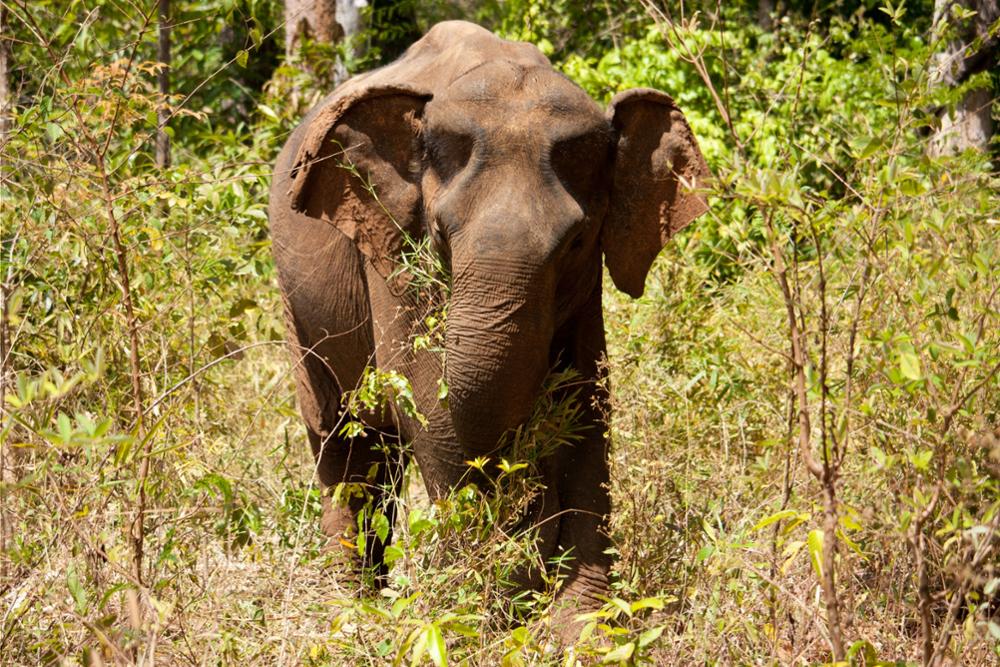
Mondulkiri and Ratanakiri present immense reserves where exploring in search of elephants is a possible activity! Head, for example, to Virachey National Park near Banlung or to the vast sanctuary managed by the Mondulkiri Project near Sen Monorom.
The Irrawaddy Dolphins
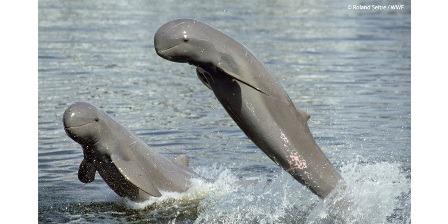
In Kratié lives a talkative species also highly sought by travelers in Cambodia. The Irrawaddy dolphins of the Mekong—call them as you wish. These freshwater animals lend considerable charm to the city of Kratié and its surroundings; they allow everyone to take interest in them, a real asset for the province. Endangered, their discovery in the wild and boat trips on the Mekong must, however, be properly guided.
Birds in Cambodia
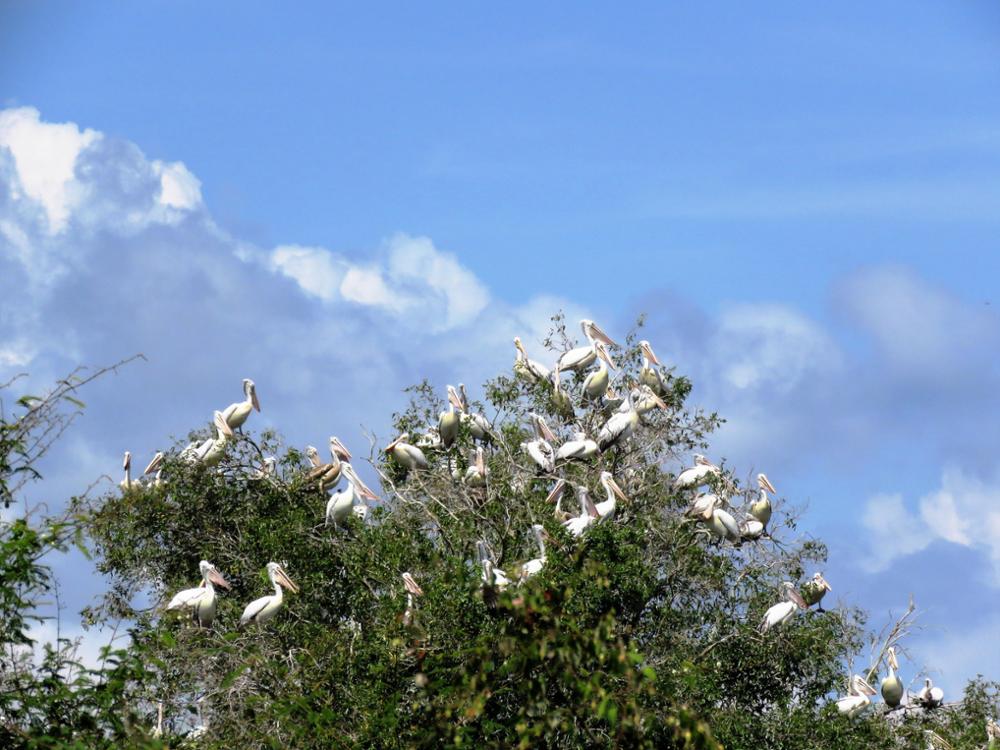
Our local agency offers itineraries through the country's largest ornithological reserves. At Prek Toal, for example, west of Tonlé Sap Lake, Southeast Asia's largest freshwater body, more than 100 different bird species reside, and organized tours allow you to observe them both night and day. You will cross numerous alluvial plains and flooded forests to enter the heart of these birds' habitat. Some species are endemic and exclusive to this area, such as the giant ibis. Others are considered rare in Southeast Asia, such as the bengal adjutant, the stork, and the pelican.