Elephant rides banned at Angkor
Elephant rides are coming to an end within the Angkor archaeological site.
Elephant rides are coming to an end within the Angkor archaeological site. The Apsara Authority, which oversees the protection and development of the site, has announced that all 14 elephants currently in the park will be relocated in early 2020 to Bos Thom Forest, at the foot of Phnom Kulen mountain, 30 km from Angkor, to prevent tourists from using them to visit the temples.
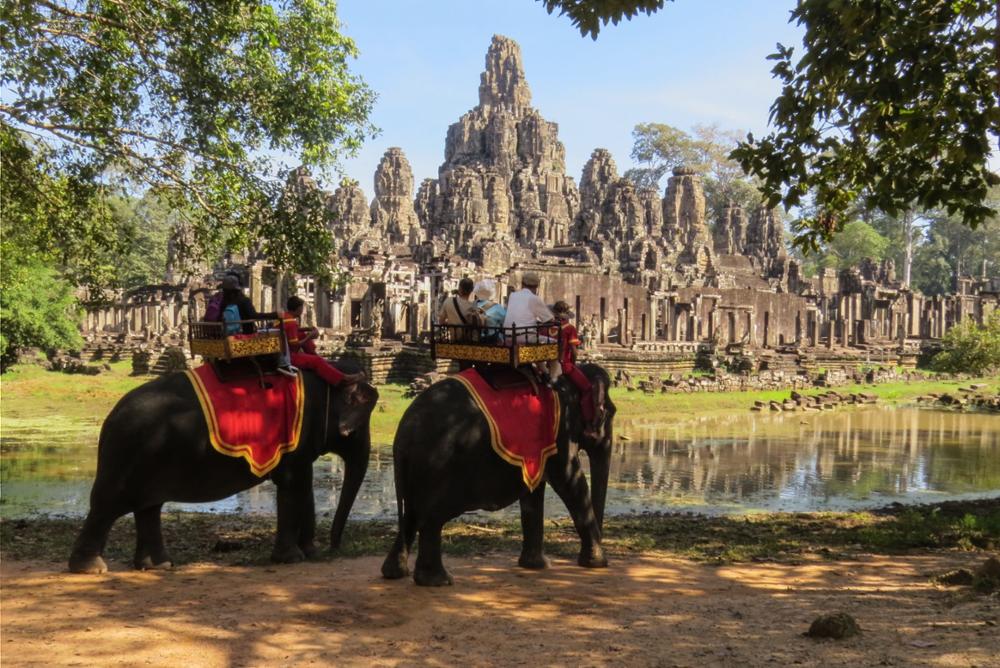
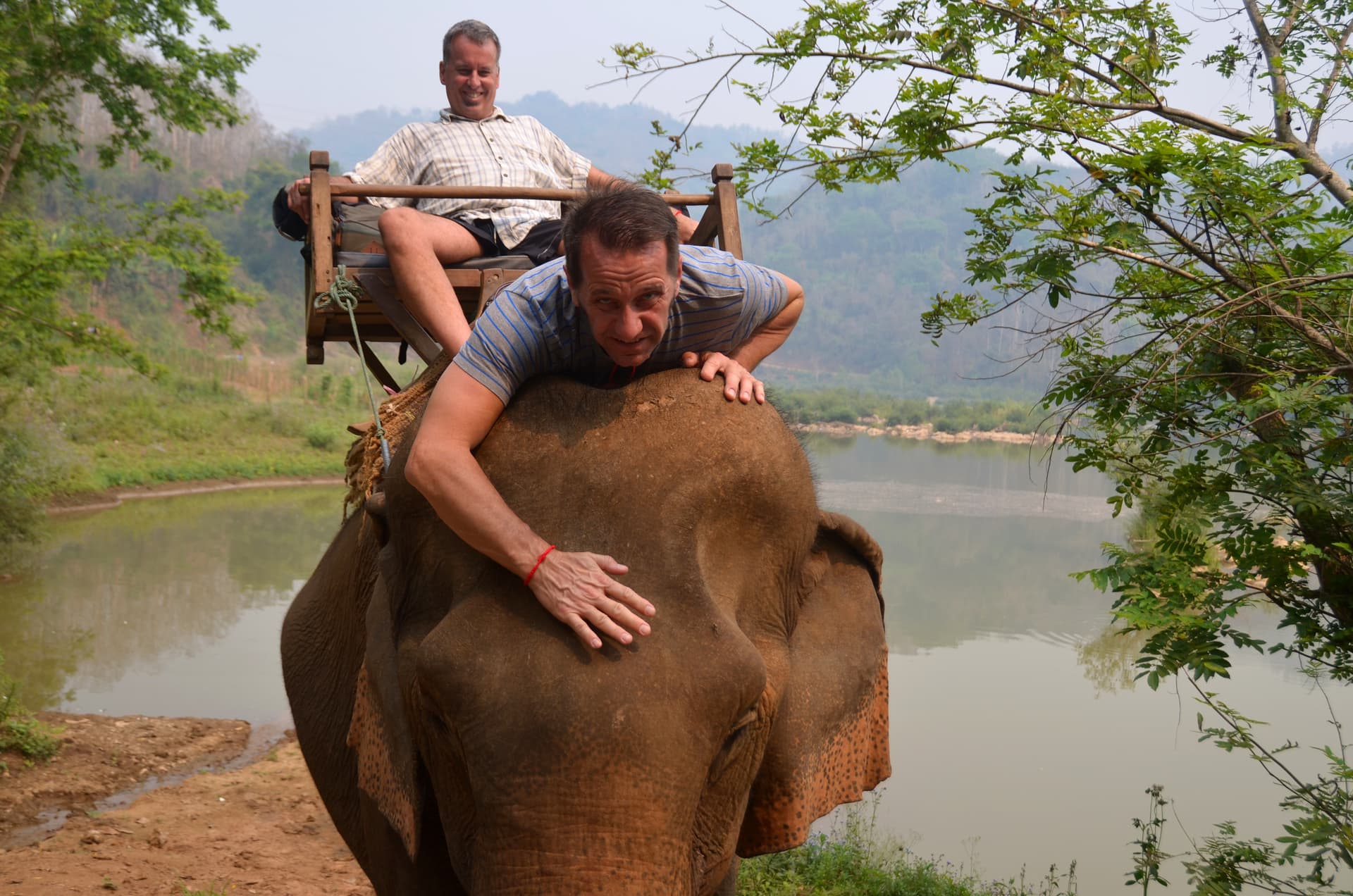
Enjoying the landscape while seated peacefully atop a pachyderm. One of Asia's most popular activities over the past few decades has undergone a dramatic shift in recent years. And finally, concrete decisions have been made in Cambodge in favor of these elephants. Working alongside the international NGO Elephant Management International, the Apsara Authority declared through its spokesperson Long Kosal that it would now be impossible for tourists to traverse the majestic Angkor archaeological site on the backs of these animals. "We no longer want to see elephants being used for tourist activities. We want them to live in their natural environment."
Relocation to the foot of Phnom Kulen mountain
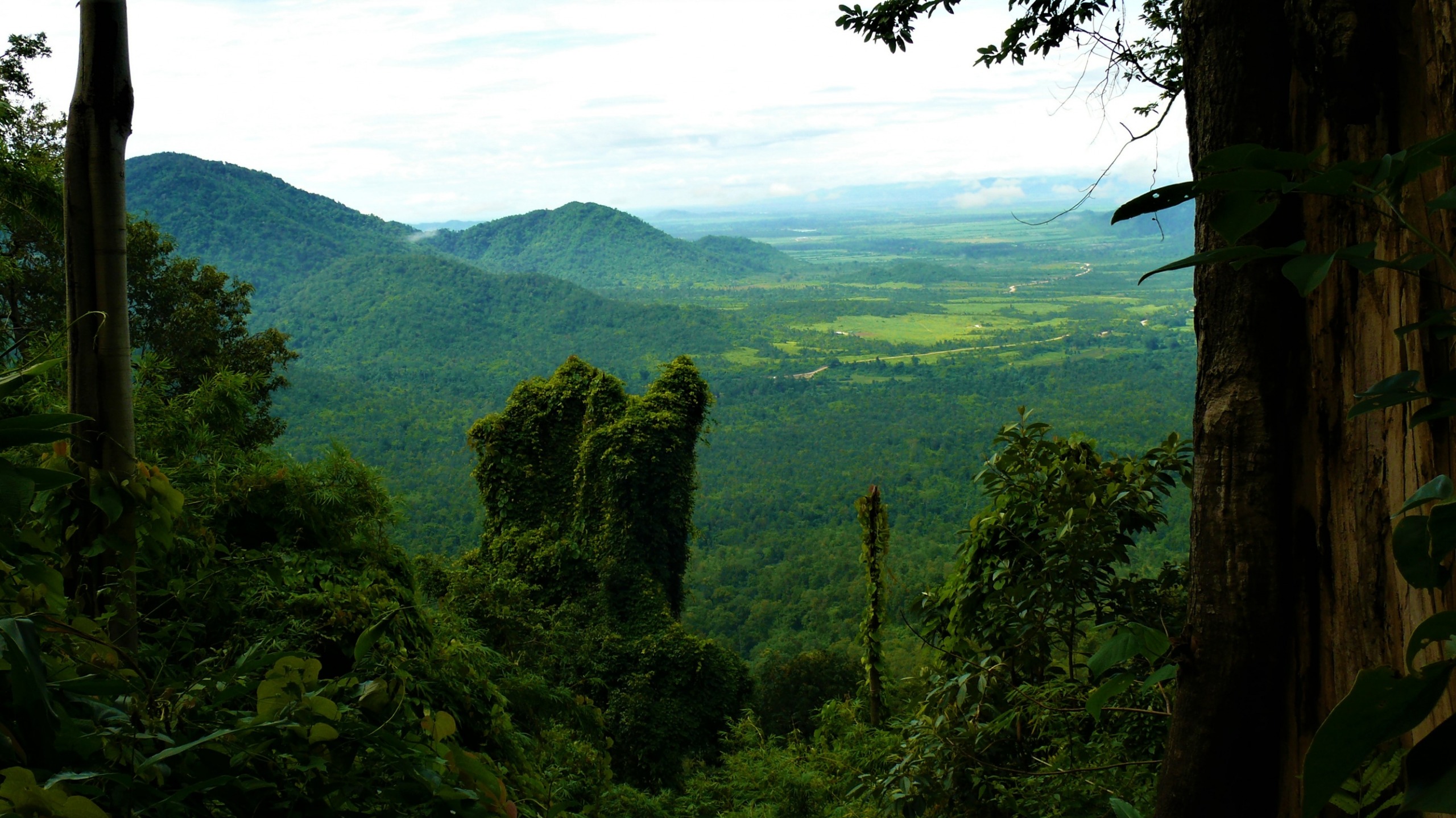
Beyond a simple ban, the two organizations have already begun relocating the 14 elephants living at Angkor to Bos Thom forest commune, approximately forty kilometers northeast of Siem Reap. They aim to have them all relocated by early 2020. This community forest encompasses 1,100 acres of protected woodland and was selected as the elephants' new home for its natural qualities and its proximity to Elephant Management International, which is committed to their protection there. Once the relocation is complete, there will therefore be no elephants remaining at Angkor to satisfy tourists' desires.
Sambo's death as a catalyst for change
The primary driver of this shift in approach toward the tourist appeal of elephant rides stems from accounts by travelers and animal welfare organizations regarding the brutal training techniques that young elephants endure. Known as "phajaan", this practice involves subjecting newborns to severe trauma to remove their natural instincts—without which they cannot accept human riders on their backs. We wrote an article last March describing this practice.
In April 2016, during Cambodge's hottest month when temperatures can easily reach 45 degrees Celsius in the sun, the elephant Sambo collapsed and died of a heart attack after carrying tourists for three-quarters of an hour around the elevated Phnom Bakheng temple at Angkor. This news deeply moved many in Cambodge and undoubtedly accelerated Apsara's decision. A petition to ban elephant rides at the site had gathered over 30,000 signatures in the kingdom.
At 45 years old, the Asian elephant could ideally have lived to 60 years given her species' lifespan. Over three generations, her species has lost more than 50% of its population according to the World Wildlife Fund.