Sedge Straws: Replacing Plastic in Cambodia
Plastic pollution is overwhelming Cambodia's cities, canals, and countryside. Yet a new generation and local initiatives are paving the way toward more responsible habits.
Plastic pollution is an increasingly pressing issue in Cambodia. The use of this material is widely democratized across all segments of society and poses enormous ecological and health problems in cities and rural areas alike. Many landscapes, canals, and urban peripheries are today plagued by multicolored plastic waste. New mindsets and innovations are, however, emerging to reduce this growing pollution crisis.
According to a 2016 study by Italian NGO ACRA, Phnom Penh residents were consuming over 10 million plastic bags per day four years ago—10 times more than in the European Union or China. Each capital resident used more than 5 plastic bags daily, or 2,000 per year. An unfortunate figure that has likely shifted somewhat since, but one that nonetheless speaks to the pervasive presence of this synthetic material in everyday life across the kingdom.
A reassuring shift in consciousness
Amid this ecological crisis, responsible initiatives stand out as beacons of change. In Phnom Penh, for example, the "Trashtag challenge", an international social media movement, enabled the creation of a group of teenagers and young adults a year ago dedicated to removing all trash from the Boeung Trabek canal flowing through the capital. Little by little, and despite often finding the canal in the same state each morning before cleaning, these Cambodians ultimately managed not only to restore the waterway but also to raise awareness in neighboring districts. Residents lost the habit of dumping their refuse—predominantly plastic—into the canal.
Though insufficient to drastically reduce plastic consumption, the simple awakening of a young generation—which represents the majority of Cambodia's current population—coupled, for some, with a sense of mission, nonetheless represents a definite evolution in attitudes.
Sedge straws take the place of plastic
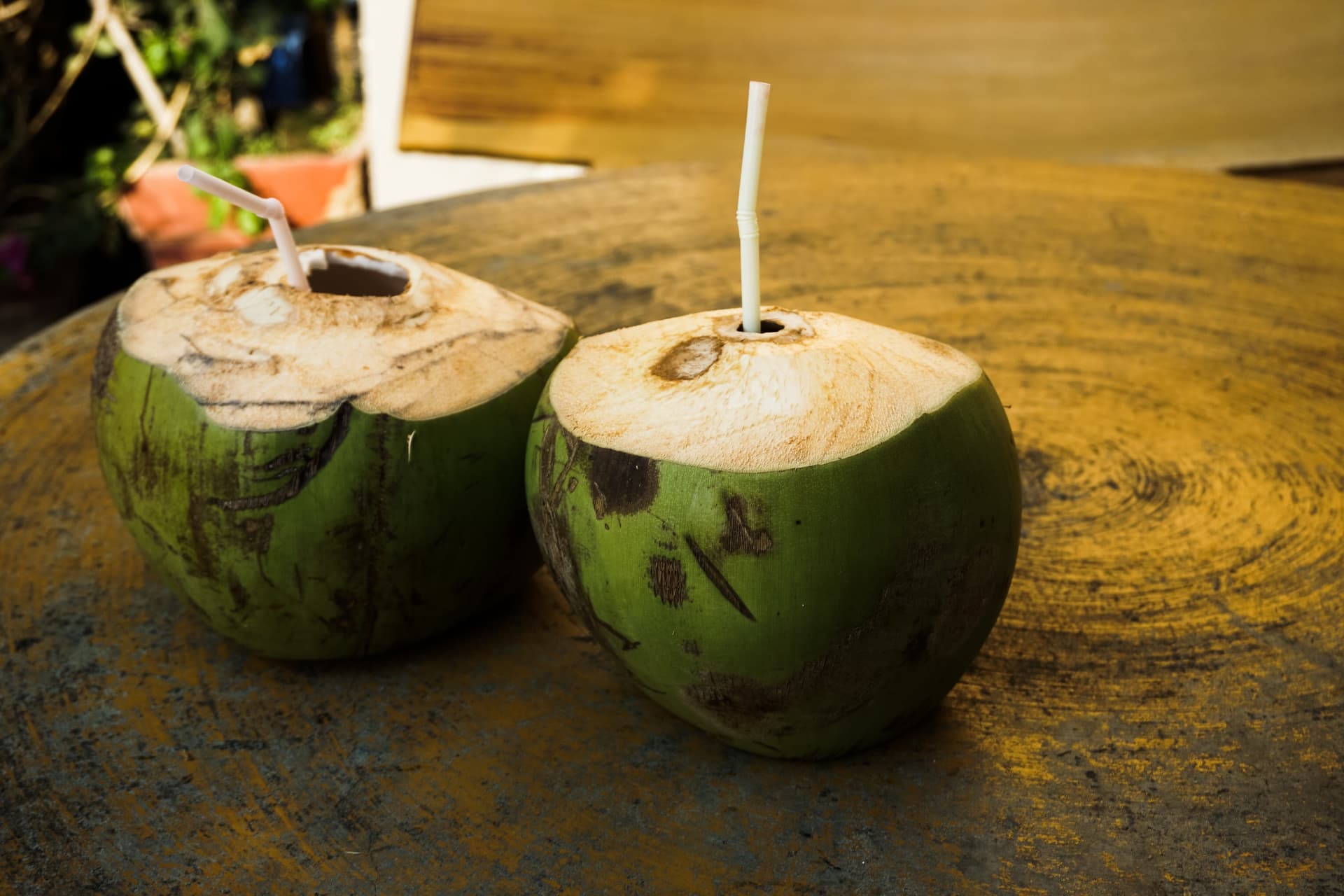
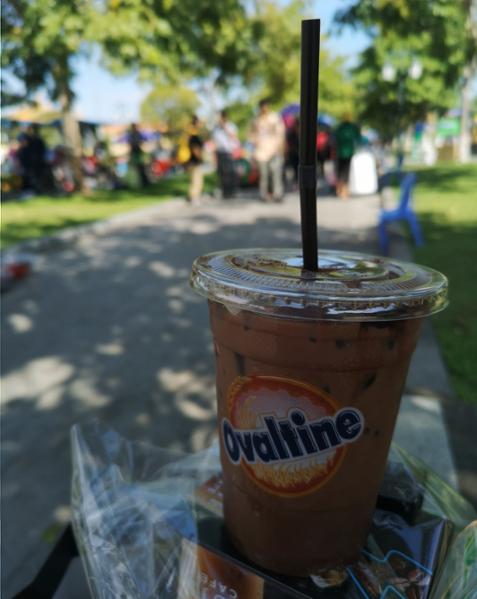
Beyond individual efforts, professional groups—particularly in tourism and hospitality—are increasingly launching related initiatives. Consider the example of the plastic straw. This small "tube," the literal translation of the Khmer word for straw, has become ubiquitous across the country for many years. You'll see straws everywhere! In plastic cups first, containing iced coffee, sugarcane juice, smoothies, beer, tea (hot or cold), and other refreshing beverages. Because in Cambodia, drinks must be cold (with rare exceptions for tea)! Straws fit naturally into this culture, as these refreshments, brimming with ice cubes of varying sizes, are rather difficult to drink neatly from such a cup without a straw. Providing one is almost automatic among all street vendors, street food sellers, restaurants, and even corner shops. Yes, many people in Cambodia also consume their canned drinks with a straw. They are omnipresent.
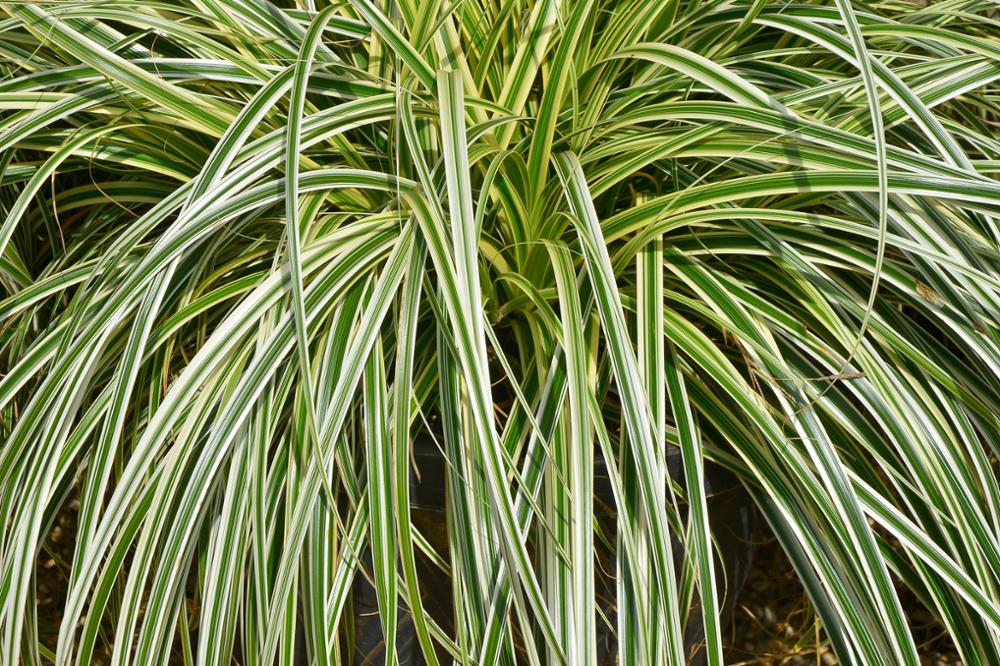
 The Cambodian company Organic Lifestyle launched its search for solutions to reduce plastic straw use just three months ago. The goal is not to change attitudes toward this everyday product, but rather to find a substitute material. This is why they are already importing and supplying sedge straws throughout the country to hundreds of individuals as well as restaurants and commercial establishments. Sedge is a plant similar to lemongrass. Sedge is used in France to strengthen, for example, rush seating for chairs. It belongs to a different biological family (5th level of classification) from lemongrass, yet these two plants are quite close as they belong to the same order (4th level of classification), the same class (3rd level of classification), and the same biological division (2nd level of classification). "These sedge straws were chosen for their flavor neutrality in the mouth [unlike lemongrass], ensuring our customers retain the full taste of their beverages," explains Gabrielle Gabillat, communications manager at Thalias Hospitality. The group, which operates several restaurants in Phnom Penh and in Siem Reap, has been using these eco-friendly straws across all its venues for the past two months. For hygiene reasons, Gabrielle notes that sedge straws are not reusable.
 Sovanarith, a member of Organic Lifestyle, assures us that since they began marketing this sedge straw, increasingly more people convinced of the effectiveness of this alternative solution are coming forward. In Phnom Penh and beyond! "Some people come specifically to take these natural straws home to the countryside, where the supply isn't yet available." The recognition of environmental risk inherent to plastic is evident in these examples and is beginning to take root across Cambodia's diverse mindsets. Reason for hope indeed.
Frequently asked questions
Organic Lifestyle distributes sedge straws throughout the country. You'll find them in restaurants such as those run by the Thalias Hospitality group in Phnom Penh and Siem Reap.
No, sedge straws are chosen for their flavor neutrality, unlike lemongrass, allowing you to preserve the full taste of your drinks.
Choose establishments using plastic alternatives, participate in local cleanup initiatives, and support companies offering ecological solutions like Organic Lifestyle.