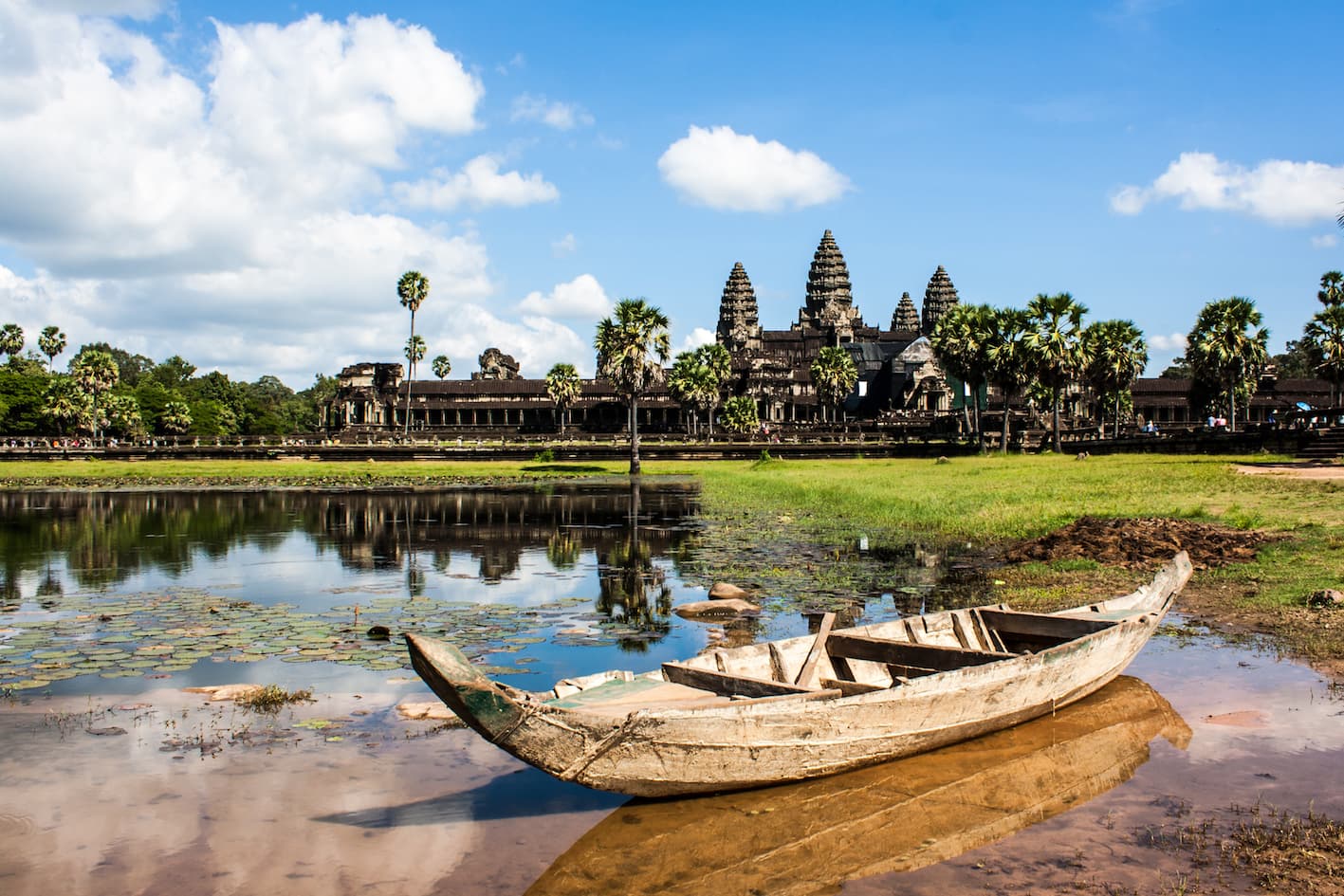
The Advantages of Low and High Season
Traveling to Cambodia can raise many questions about which season to visit. High or low season. Sun and heat, or rain and flooding? It's not that straightforward, but...
Traveling to Cambodia can raise many questions about which season to visit. High or low season. Sun and heat, or rain and flooding? It's not that straightforward, but numerous assumptions can influence your choice. Let's try to clarify matters and dispel some hasty judgments by highlighting the advantages of traveling during both seasons.
The alternating flow of the Tonlé Sap River in Cambodia governs a necessary and inevitable succession—that of the seasons. From May to November, during the monsoons, it flows from south to north to empty and fill its namesake lake. From November to May, during the dry season, the natural reservoir supplies its channel, its current reverses and flows back down toward the Mekong until Phnom Penh. This process determines a biannual shift throughout the kingdom. It would be easy to assume that in the dry season the sun beats down mercilessly and oppressive heat settles in for six months, and that during the rainy season stepping outside is a genuine challenge due to daily flooding. This is not reality. Every season is good for visiting Cambodia.
Rain Works in Your Favor!
Leaving behind the cold European winter to land in the intensity of Southeast Asia certainly makes one eager. Escaping the summer heat of metropolitan France to enjoy the refreshing rains of Cambodia might also appeal, were it not for imagination adding its unfortunate two cents. Rainy season can, in some minds, rhyme with deluge, torrents, flooding, and swimming home. Sometimes not entirely wrong, but it's not that simple. From May to November, rains intensify but don't become daily. They typically last just an hour or two on average and occasionally cause flooding, true. But the country is prepared. It has known these periods since time immemorial. In rural areas, for example, elevated roads allow circulation even when the sky opens up over residents' heads. You'll notice that all houses are built on stilts—an ideal spot to admire these downpours and wait for their passing. If your trip is well planned and anticipated, it can become a true work of art. Vegetation and landscapes are magnified by nature's abundant moisture.
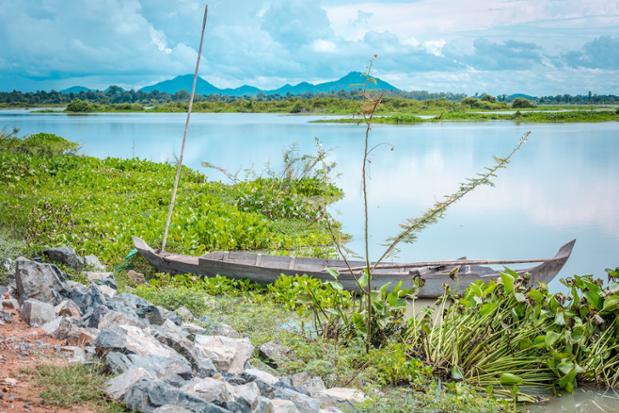
A quick boat trip?
Tonlé Sap Lake sees its surface area expand from 2,700 to 16,000 km2 during the rainy season. This factor allows the more adventurous among you to connect Siem Reap to Battambang by water. The boat ride can prove to be a wonderful activity to enjoy the fresh air and cool waters of the natural reservoir. Beyond the surprise and unexpected discoveries of the rainy season, a more practical consideration might encourage you to travel between May and November: budget. You can save up to 20% of your wallet on flights and hotels by visiting during the monsoons. During low season, you're also assured of encountering fewer crowds during your cultural and heritage visits and likely feeling greater freedom. This guarantees access to the best English-speaking guides and drivers, as well as receiving particular attention during your attractions and activities.
A Warm and Sunny Winter
As mentioned earlier, sunshine and warmth inevitably appeal during freezing European winters. Mountains aren't everyone's preference; many greatly prefer turquoise seas and fine-sand beaches. Cambodia more than delivers in this regard, particularly during the dry season. The sun graces the Khmer sky from December to April. A few brief respites here and there won't make you forget its splendor.
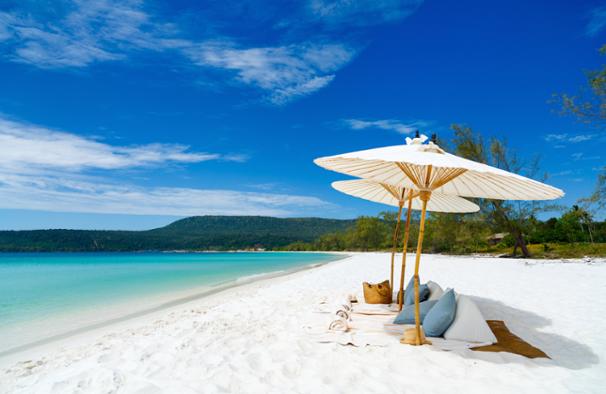
Beach on Koh Rong Island.
The islands of Koh Rong and Koh Rong Samloem off Sihanoukville are textbook examples. The paradisiacal atmosphere of their beaches and the untamed state of the jungles are compelling reasons to visit during the dry season. Let yourself be enchanted at nightfall by the dance of luminescent plankton illuminating the dark shores with turquoise light. The discovery of traditions, architecture, and cultural heritage during dry season likewise holds undeniable advantages. The accessibility of locations is considerably facilitated by the climate, and visits are enhanced. For instance, you can certainly admire the brilliant sunrise from atop the central tower of Angkor Wat.
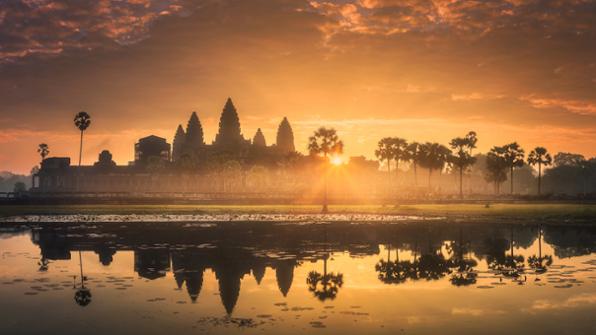
Arrive at 5 a.m. at Angkor Wat to witness this natural phenomenon.
While the sun never strays far from Cambodia's blue skies during the dry season, temperatures are not oppressively hot. December and January offer refreshing nights with temperatures that can drop to around 15 degrees Celsius. Perfect for sleeping soundly after your rich and educational daytime activities. Thibault Bourru