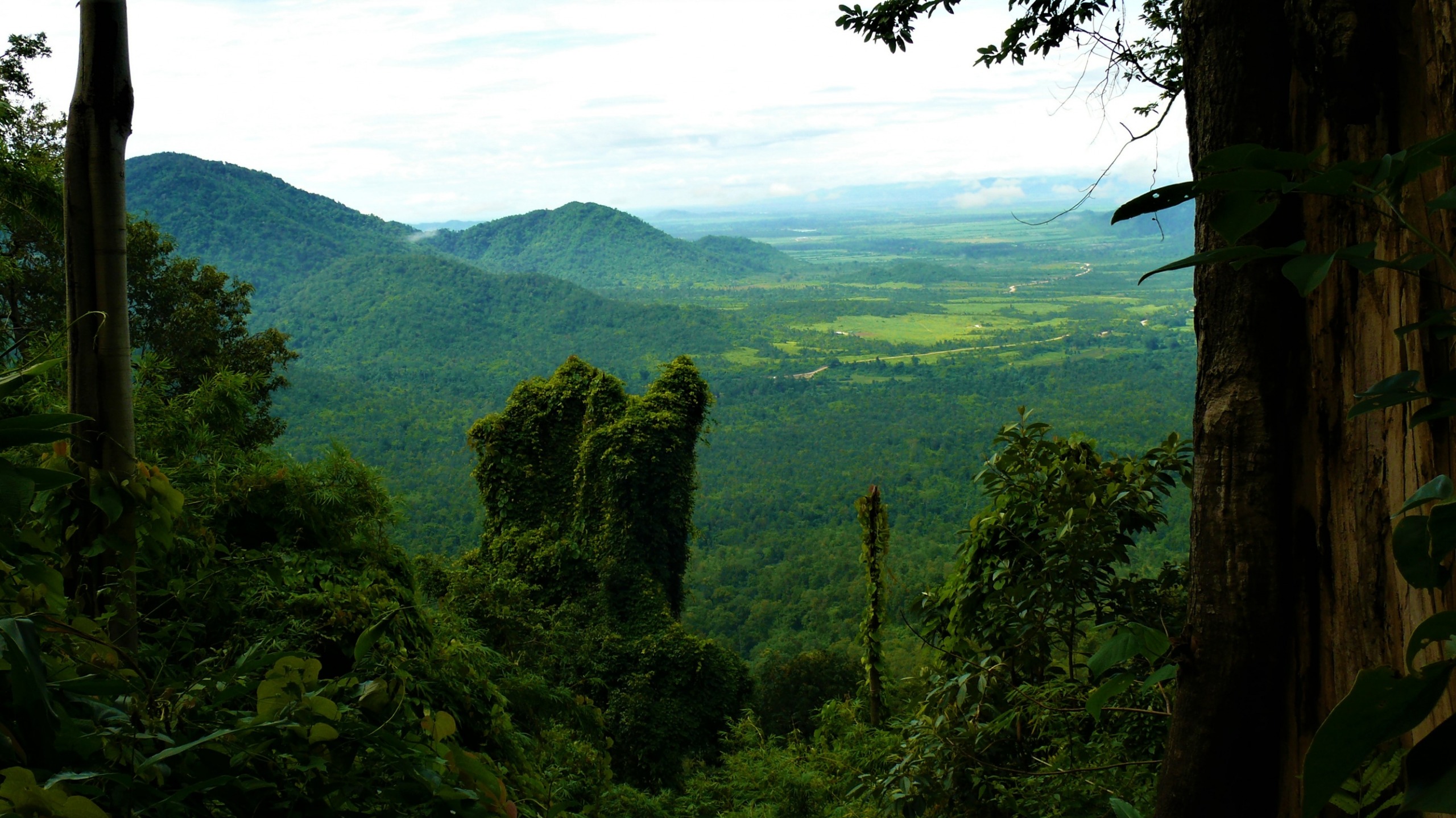
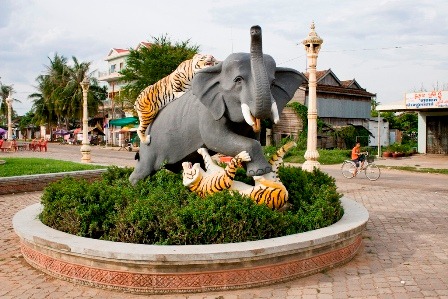
Mekong: Cambodia Halts the Sambor Dam!
Cambodia suspends the Sambor Dam project on the Mekong, a decision welcomed to preserve Irrawaddy dolphins, migratory fish, and fishing villages.
Cambodia has just suspended the construction of a massive hydroelectric dam on the Mekong near the town of Sambor in Kratie Province.
This massive Sambor Dam was set to be built near the town, some 30 kilometers north of Kratie, as part of Cambodia's energy plan for 2020-2030. A relief for the international NGO WWF, which constantly advocates for the protection of this legendary Southeast Asian river's ecosystem. "We dodged a bullet," the organization declared in an article published three weeks ago on its website. Financially backed by China, the project would have created Cambodia's largest dam. The monolith was meant to stretch nearly 10 kilometers long, enough to completely devastate local biodiversity.
Nature in Great Danger
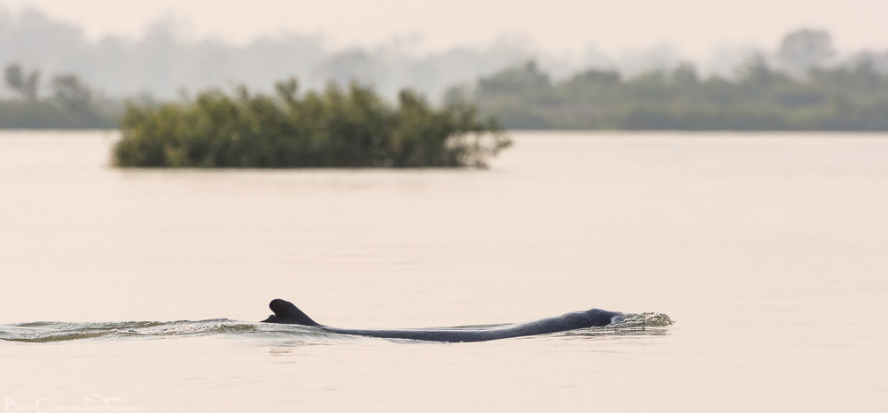
Located between Kratie and the Laotian border, this dam could have threatened a particularly rare and endangered species on our planet: Irrawaddy dolphins. Only 92 individuals of this species inhabit this stretch of the Mekong, yet one of the species' favorite habitats. Already facing extinction according to the IUCN, this dam would have done nothing to help these freshwater dolphins.
Moreover, placing such a monolith in the heart of a river would inevitably impact its natural cycle. The Sambor area is renowned as a massive migration zone for countless freshwater fish species. Such a project would completely disrupt this dynamic and would be a major blow to fishing in the region.
Human Life at Stake
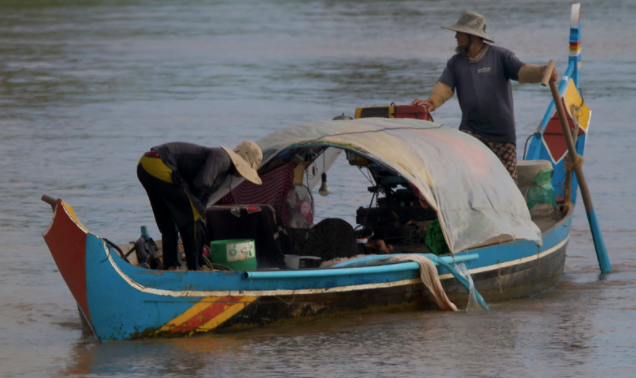
The Mekong River in its entirety is home to more than 60 million inhabitants along its banks across 6 different countries: China upstream, Myanmar, Thailand, Laos, Cambodia, and Vietnam downstream. WWF estimates that in Cambodia, 80% of the population relies on fish as their primary source of protein. Fishing is thus a vital sector, as important as rice cultivation. If the survival of freshwater fish is threatened by a dam, the daily life of dozens of fishing villages is directly at risk.
Preserving the diverse ecosystems of the Mekong is, for much of Cambodia's population—both urban and rural—essential. Yet energy is equally vital. The power generated by the dam could have aided many households, which is why alternatives must be found. Solar energy is already a growing sector in Cambodia, a country with numerous parks equipped with solar power plants, particularly in Kampong Speu Province. Projects along these lines will likely follow, potentially helping achieve the goal set by various WWF offices across Southeast Asia: 100% renewable energy in the region's countries by 2050.
Frequently asked questions
Yes, 92 dolphins still live in this stretch of the Mekong near Kratie. It is one of the last refuges for this endangered species.
The dry season (November-April) offers the best conditions for observing dolphins and navigating the Mekong.
Sambor is located about 30 kilometers north of Kratie, accessible by tuk-tuk or by boat on the Mekong.