Birth of the Mekong's first dolphin calf of the year
A newborn Irrawaddy dolphin has been sighted in the Mekong, bringing the recorded population to 93 individuals. A rare birth, a symbol of hope for this still-threatened species.
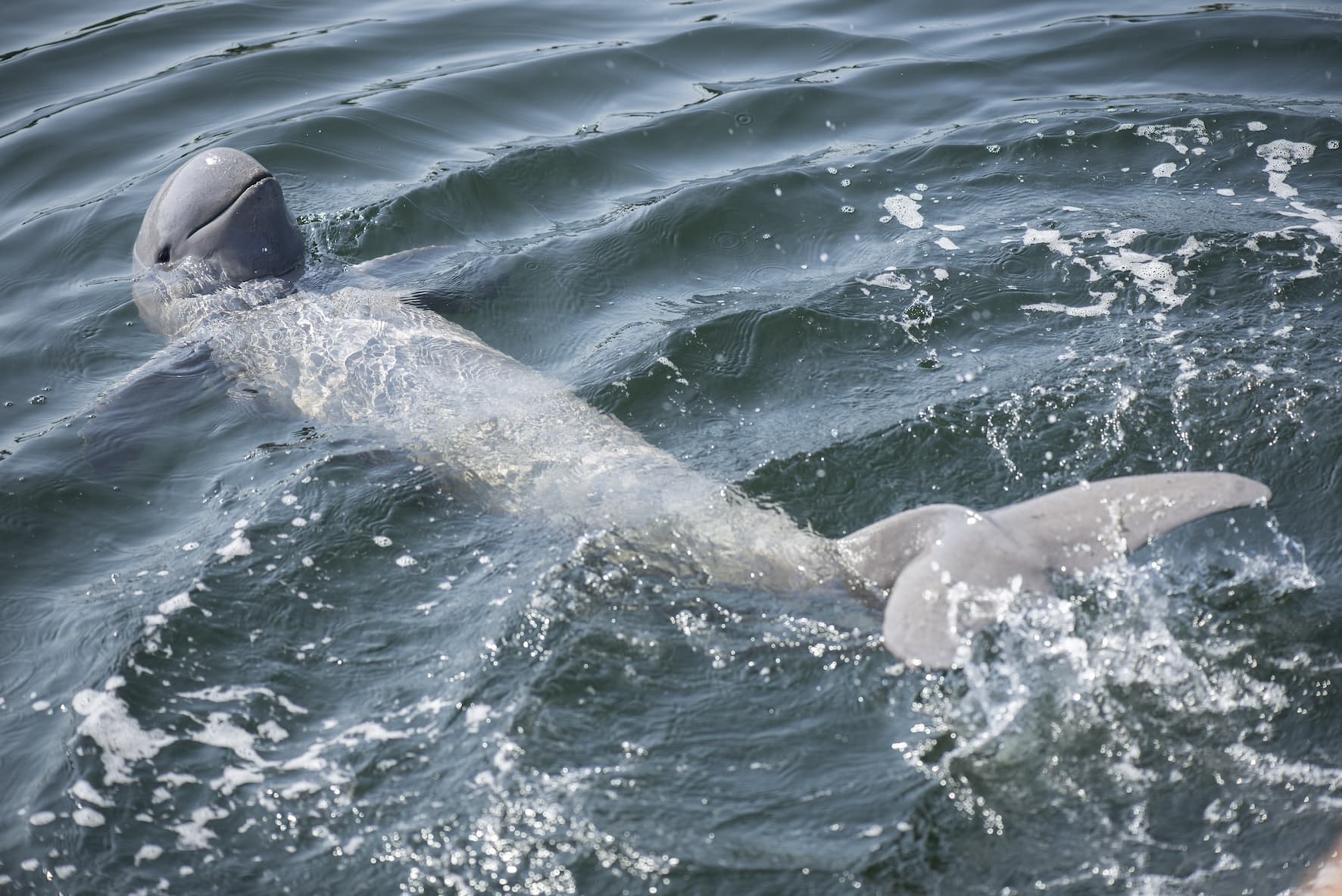
Tourists, accompanied by their guides, spotted a newborn in the Mekong River last Monday, around Kapi. An Irrawaddy dolphin. A species on the brink of extinction for the past 15 years.
The cetacean, born on Friday, January 25th, was spotted swimming with adults of its kind. It is the first calf born this year according to a report from WWF Cambodia. It is the 93rd Mekong dolphin currently living. This family of mammals inhabits a 190-kilometer stretch between Kratié and the Khone Falls at the Laotian border. The NGO stated in this report that this birth "reflects the positive result of joint conservation efforts for Irrawaddy dolphins between WWF Cambodia and conservation partners—including the ministries of Agriculture, Forests and Fisheries; Environment; Tourism; fishing communities, tourism agencies, provincial, district and commune authorities, and many other partners." Nine calves were recorded in 2018.
Gradual progress

The International Union for Conservation of Nature (IUCN), which classifies animal species according to extinction risk, placed the Irrawaddy dolphin in critically endangered status in 2004. This classification precedes "extinct in the wild" and "extinct." Their population at that time was fewer than 50 individuals. Urgent rescue plans are imperative at this point.
IUCN scale, classifying the Mekong dolphin in 2004
The identified threats include various industrial fishing methods, such as electric nets or mesh constructed from metal alloys. These practices cause significant degradation of the animal's natural habitat, which can also be severely disrupted by the harmful acoustics of surrounding gold mining operations. Proposals for hydroelectric dam construction are currently the concerns that worry Irrawaddy dolphin advocates. They would cause an ecological catastrophe for them. For the past 15 years, the work of NGOs to protect the species has resulted in its reclassification from critically endangered to endangered. The birth of this 93rd individual further supports this progress. "WWF supports 72 river guards stationed at 16 outposts in Kratie and Stung Treng provinces. The organization provides the equipment and training needed to strengthen the capacity of these river guards. They patrol regularly to protect against illegal fishing activities in the Mekong to conserve the Irrawaddy dolphins. We are grateful for their service," the NGO communicated.
Frequently asked questions
Irrawaddy dolphins inhabit a 190-kilometer stretch between Kratié and the Khone Falls at the Laotian border. Kratié is the main base for organizing a dolphin-watching excursion.
Currently, there are 93 Irrawaddy dolphins living in the Cambodian Mekong. This species was classified as critically endangered with fewer than 50 individuals in 2004.
Dolphins can be observed year-round, but the dry season (November to May) offers better navigation conditions and improved visibility.
The main threats are industrial fishing with electric nets, habitat degradation from gold mining, and hydroelectric dam projects.