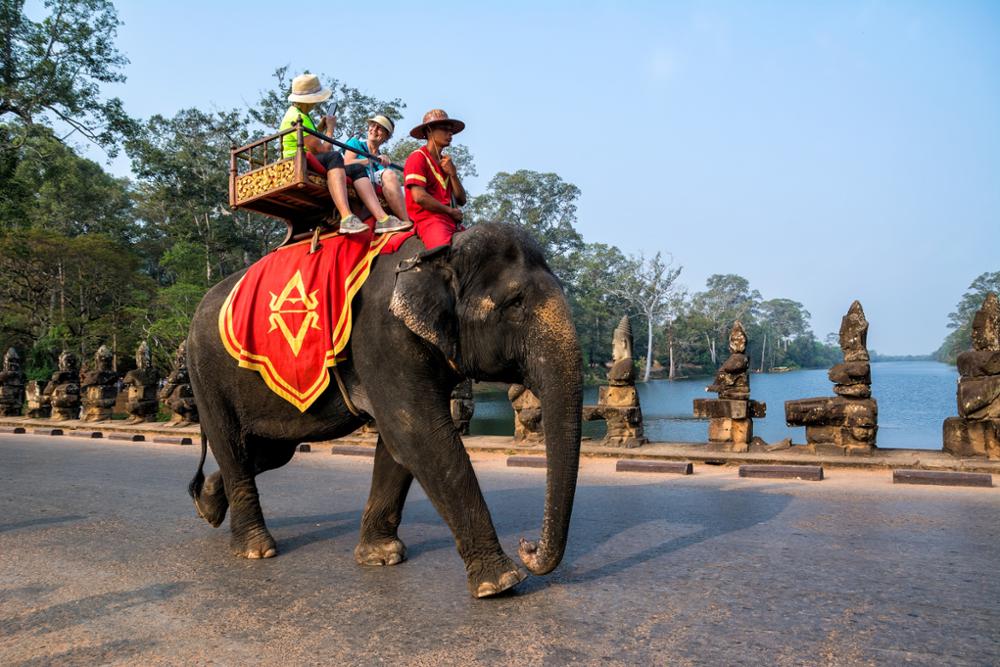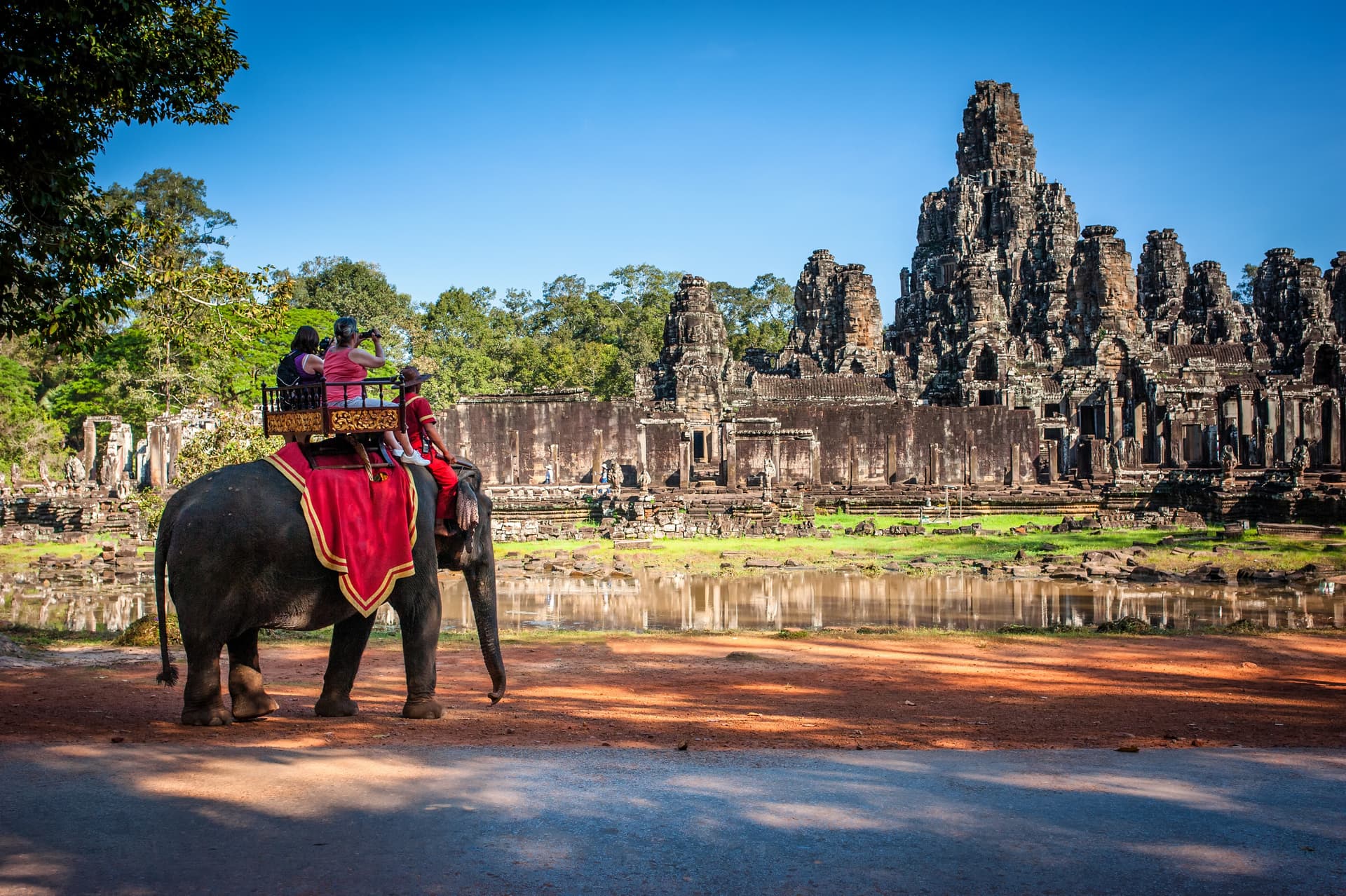
Here's why you shouldn't ride on the backs of elephants...
Refusing elephant rides is already taking action. In Cambodia, certain sanctuaries in Mondulkiri offer a different approach, centered on observation and genuine protection.
Getting close to Asian elephants, feeding them, bathing them—in short, interacting with them—is a popular tourist activity for travelers visiting Cambodia. Yet it's crucial to remember that certain practices cause suffering to this species, once ruthlessly exploited by the wealthy and still heavily targeted by poachers. It is now classified as "endangered" by the International Union for Conservation of Nature (IUCN).
Numerous testimonies confirm that how tourists interact with Asian elephants must change radically. To be responsible. To become aware. An open secret: rides on their backs are to be avoided. Strictly. The pachyderms may not appear abused outwardly, but the training they undergo to accept a human presence on their spine amounts to torture. The word is strong, but devastatingly accurate. All these forms of training serve a single purpose: making money. Through labor, begging, or of course tourism. Let's take an example of these practices—not exhaustive but widespread across Southeast Asia—that underscores this reality. The "phajaan." The goal is to break the elephant's spirit utterly. To bring it under control, to destroy its reflexes and instincts so it becomes utterly docile before Man.
Torture in its rawest form
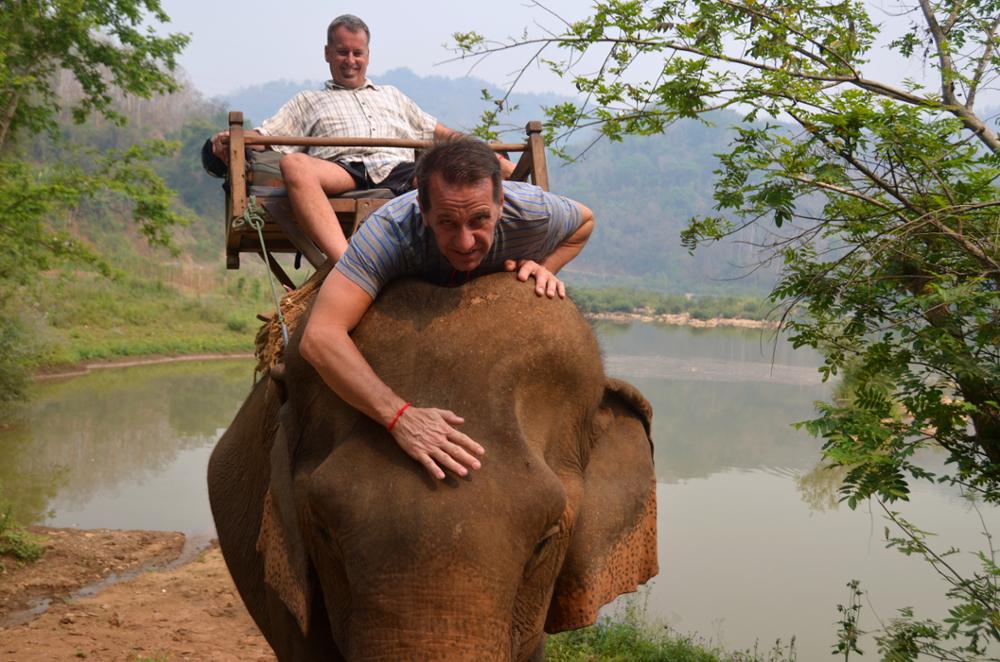
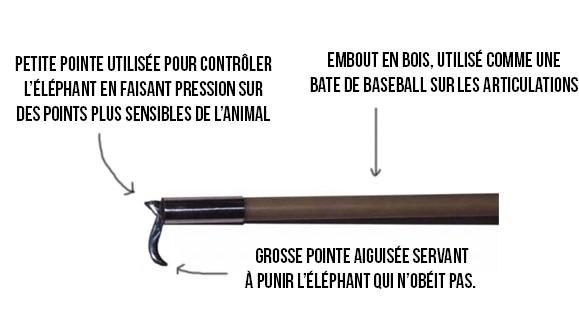
The reputable scientific investigation site Maxisciences, alongside testimonies from influencers Seth and Lise, attests to this reality: "Practically speaking, trainers can only achieve this through violence. The phajaan lasts between 4 and 6 days and is conducted on young elephants. The animals are separated from their mothers and confined to narrow cages where they are chained. They are then beaten repeatedly in strategic, most sensitive locations. Beyond being beaten, elephants are kept awake, deprived of food and water under the eyes of trainers ("mahout") who recite prayers that translate to 'elephant, if you stop struggling, we will hurt you no more'." From that point on, the animal is broken. It obeys and follows the orders of its despot, Man.
It should be noted that not all survive these tortures. Scientists from Maxisciences estimate that half of young pachyderms die during them, and some become aggressive, unusable to the mahouts. Unprofitable. Most would therefore be killed. Sometimes taking their torturers to the grave with them. Over 100 elephant trainers in Southeast Asia are killed by their victims each year.
Once the elephant's spirit has been reduced to nothing, the mahout teaches it techniques and gestures that will serve to entertain the audience during these pernicious rides, deemed utterly charming by tourists, within the Southeast Asian ecosystem. To keep it in line for the rest of its life, "they give it occasional reminders by beating it or pressing again on the sensitive points," they continue. The animal is now ready to welcome tourists and receive their tender caresses, immortalized in Instagram photos testifying to their kindness.
Alternatives for travelers
But what if you want to approach elephants in a more natural way than at a zoo? In Cambodia, two NGOs—Cambodia Elephant Rescue Organization and Elephant Valley, both located in Mondulkiri Province—offer projects to sustain, protect, and help the species develop. Paid visits, certainly. Profit, yes. But the context is obviously not the same. Between a tourist activity agency that buys zombified pachyderms, stripped of all reality, and exploits them to enrich themselves, and these NGOs that leverage travelers' fascination to both fund species restoration and protection programs and an employment plan on the lands they wish to sanctuarize—the difference is significant. M. Tree, founder of the Mondulkiri Project, responded in this vein two months ago in the pages of PetitJournal Cambodge: "We aim to increase the community of elephants living in the forest. We plan notably to bring in a male elephant to breed babies—the first at our center. Tourism has allowed the region to develop, to create jobs. Before, no one spoke English here, yet the Bunongs who work with us at the sanctuary or as guides are required to practice it."
Seth and Lise believe that "it's largely because of tourists that this business thrives, so it falls to tourists to make the right decisions. The future, the welfare, and above all the survival of thousands of elephants are at stake." It's basic economics. If demand drops sharply, supply will shrink. The key is informing people about these practices so there's collective awareness.
Frequently asked questions
Phajaan is a traditional training method that involves physically and psychologically torturing young elephants for 4 to 6 days to make them docile.
A genuine sanctuary never offers elephant rides, limits direct interactions, explains each animal's history, and funds conservation efforts.
In Cambodia, Cambodia Elephant Rescue Organization and Elephant Valley in Mondulkiri Province are recognized ethical alternatives.
Elephants do not naturally carry humans. They are forced to do so after traumatic training that breaks their spirit and natural instincts.
Images restored from source site—reposition manually if necessary.