Cambodian Street Food: Which Typical Specialties to Taste on the Streets?
Cambodian street food comes alive at markets and street stalls, featuring stir-fried noodles, amok, grilled pork, sticky rice sweets and more audacious specialties.
Discovering new flavors has always held a special place in travelers' experiences. Planning a trip to Cambodge? We invite you to explore the street food specialties you absolutely must try for an unexpected culinary journey! On the menu: authentic Khmer dishes, some truly unusual specialties and a few sweet treats...
The most popular Cambodian street food specialties
Here are the most widespread Cambodian specialties found in street food throughout Cambodge:
Lort Cha, stir-fried rice noodles
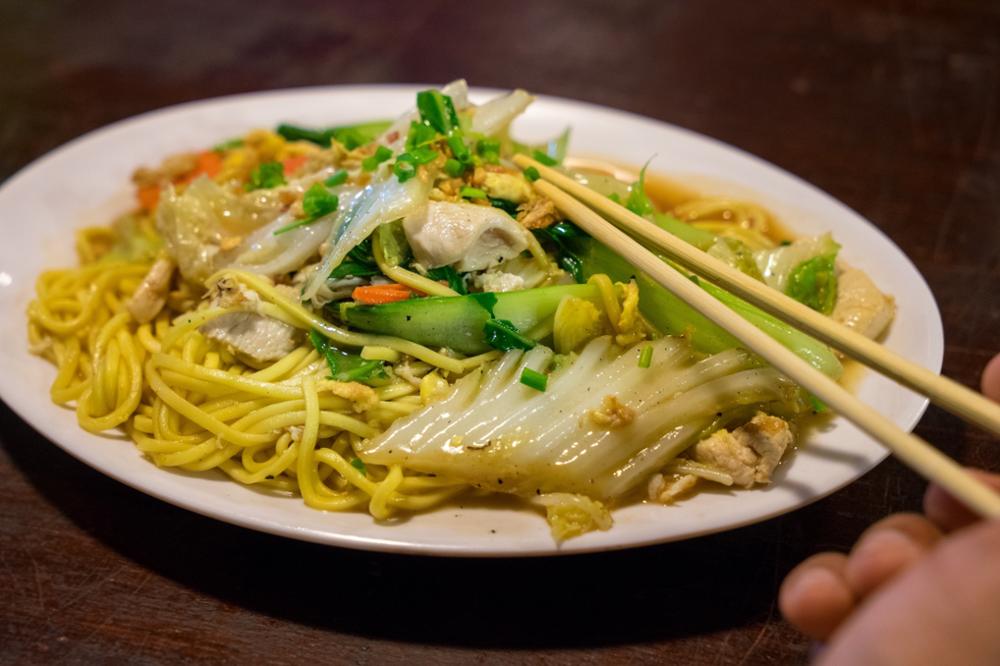
Lort Cha is a dish of stir-fried rice noodles ("cha" meaning "to stir-fry" in Khmer). The rice noodles are cooked in frying pans with various vegetables (onions, Chinese broccoli, chives, bean sprouts...).
Beef is typically added, though other versions exist (with pork, vegetarian...). The dish is served with a fried egg on top and accompanied by a spicy sauce.
Num banh chok, fermented rice noodles
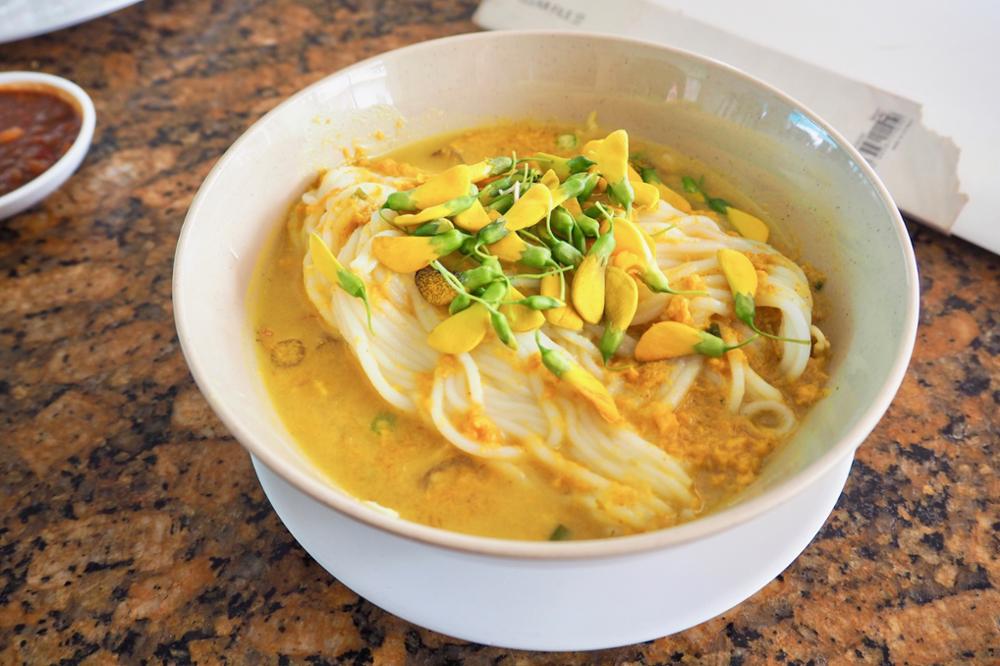
Another noodle dish you'll find at most street food stalls in Cambodge: Num banh chok. The term refers both to the type of noodle (traditionally hand-made in stone mills from fermented rice) and the dish itself.
The dish consists of fermented rice noodles accompanied by a sauce made with curry, coconut milk and fish. It comes with raw vegetables (bean sprouts, cucumbers...) and numerous aromatic herbs (mint, coriander, banana blossoms, lotus roots...). Highly prized by locals, Num banh chok is often enjoyed for breakfast and lunch.
Good to know
Each region has its own versions of Num banh chok. In Siem Reap, for example, locals use plenty of garlic, coconut milk and a sweet fish sauce called tik-pha-em. In Kampot, the sauce is made from local dried shrimp combined with peanuts.
Amok trey, fish amok
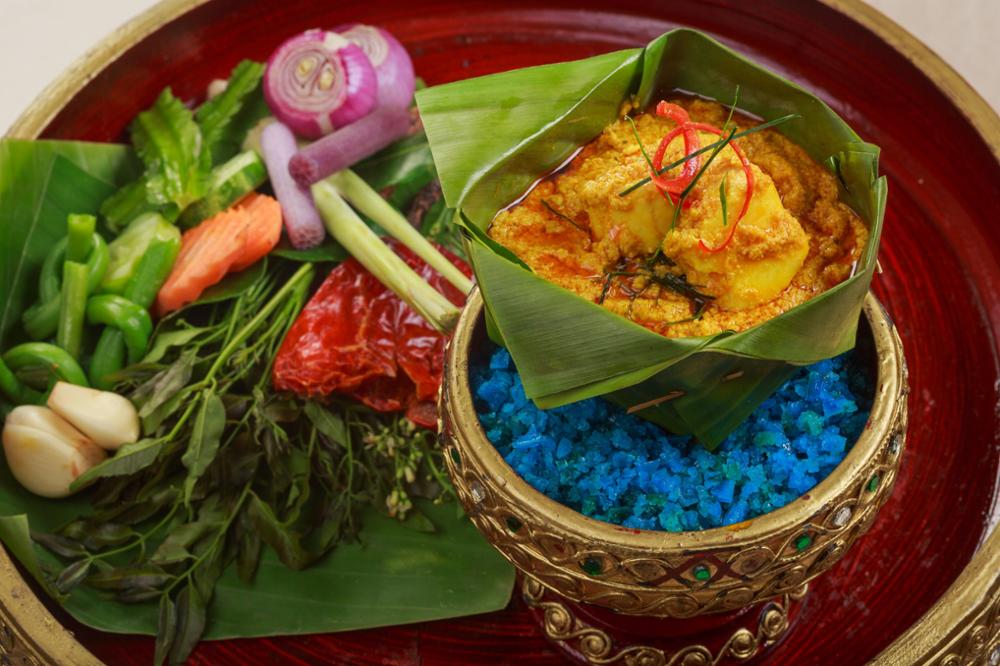
Considered the national dish of Cambodge, Amok trey is one of the most renowned dishes of Khmer cuisine. It's a curry made with fish steamed with coconut milk and numerous aromatic herbs (lemongrass, galangal, kaffir lime, shallots, turmeric, shrimp paste...).
Thefish amok is traditionally served in a banana leaf and accompanied by rice. Again, you'll find different versions of Cambodian amok: with chicken, beef, snails or even tofu.
Kuy Teav, a pork noodle soup
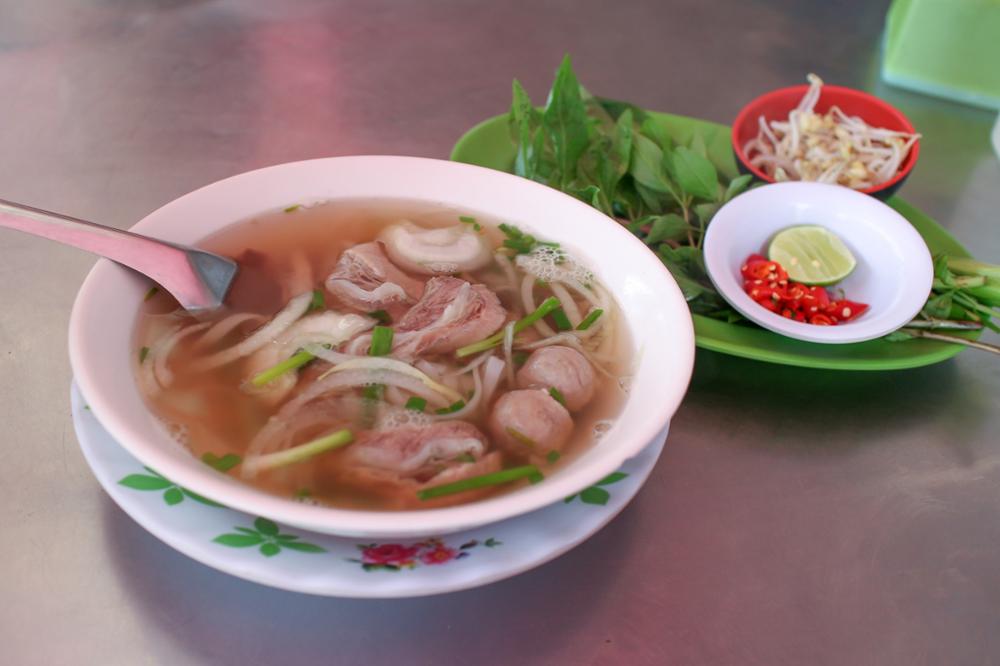
Kuy Teav is among the most beloved culinary specialties of Cambodians. Often eaten for breakfast, this noodle soup is cooked with pork bone broth and aromatic herbs (garlic, shallots, lemongrass and other fresh herbs...).
Various toppings are added to choice such as beef pieces or ground beef, shrimp, sliced pork, fish balls, chicken or vegetables. For the more adventurous, Kuy Teav can also be served with offal (liver, intestines, blood, tongue...).
Bai Sach Chrouk, marinated grilled pork
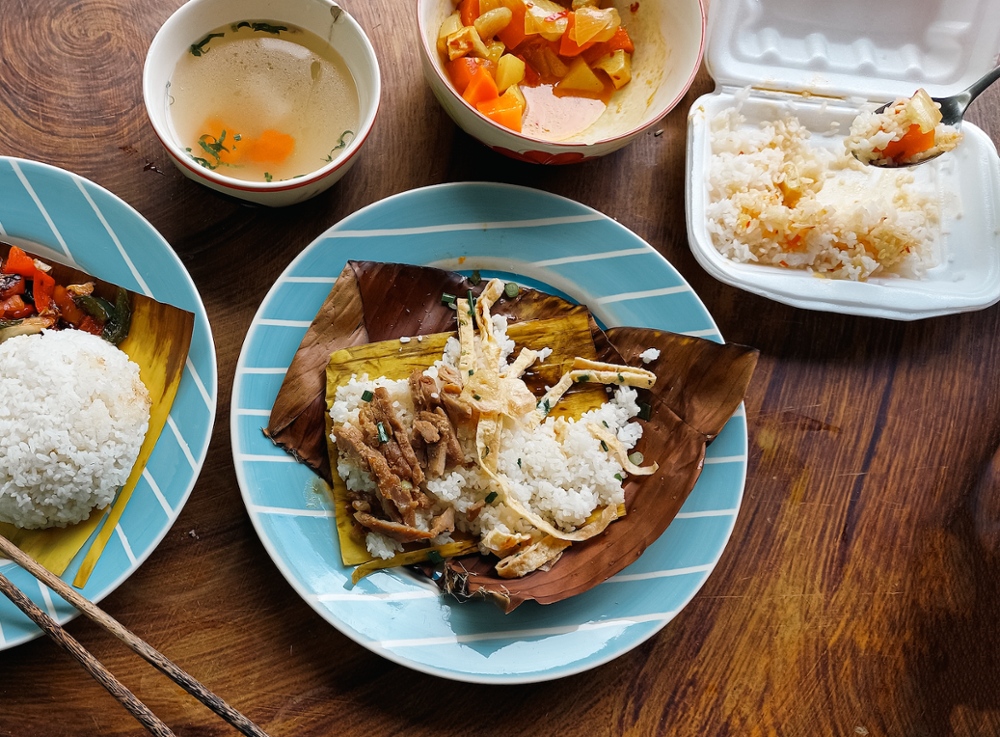
Bai Sach Chrouk is also part of the typical Khmer dishes you absolutely must try. It's even one of the most consumed dishes by locals at breakfast time.
It consists of slices of pork marinated then grilled over charcoal. The meat is accompanied by rice and fresh vegetables or pickles. Everything is enhanced with a spicy sauce.
Num Pang, the Cambodian sandwich
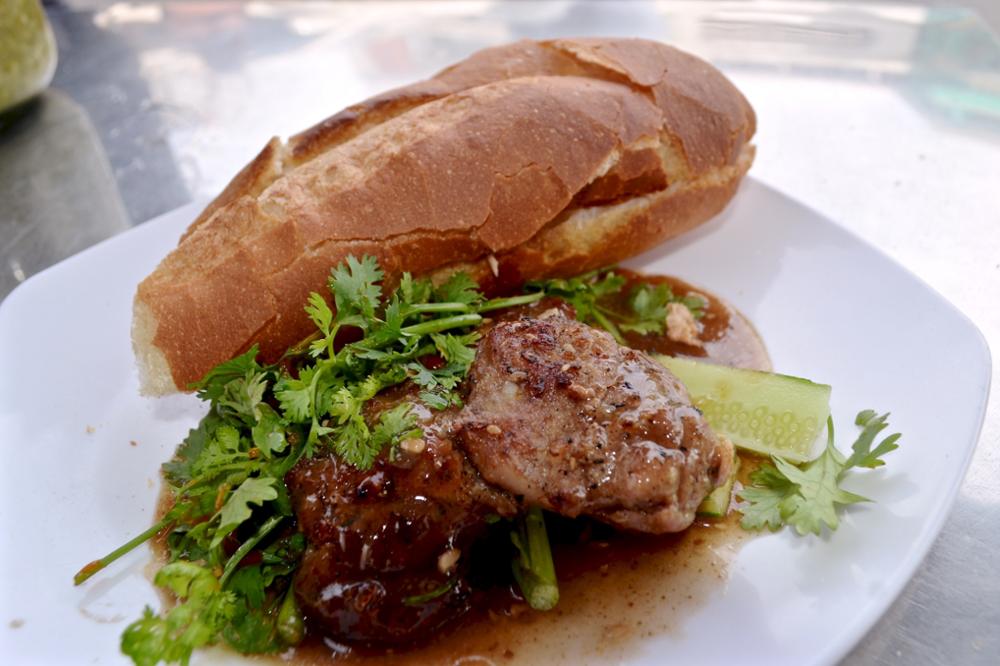
Translated as "bread," Num Pang is nothing other than the Cambodian sandwich. It's made from baguettes that were adopted in Cambodge following the French protectorate. Various fillings are used, notably meat, marinated carrots and daikon, fresh vegetables (cucumber, lettuce...) and aromatic herbs (coriander, mint, basil...).
You'll find several varieties throughout the country:
Num pang pâté: with pâté;
Num pang Brahet: with pork meatballs;
Num pang sach Chruk: with braised pork belly;
Num pang sach ko: with beef grilled with lemongrass;
Num pang trey khaw: with braised fish...
Good to know
Traditionally filled with meat, Num pang can also be made with vegetables only. If you don't eat meat or fish, rest assured: it's always possible to find vegetarian dishes in Cambodge. Also discover our selection of the best vegetarian-friendly restaurants in Phnom Penh.
Nom Ka Chai, a chive cake
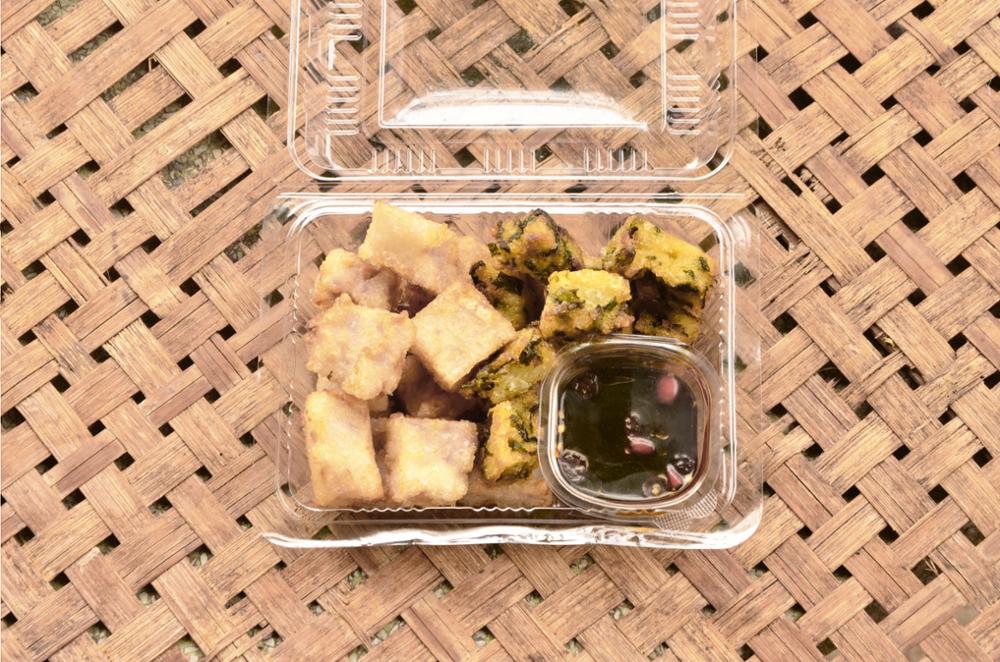
Nom Ka Chai is a chive cake found throughout street food stalls in Cambodge. Inspired by Chinese cuisine, it is made from glutinous rice flour, tapioca starch, water and chopped chives.
Some are filled with meat, fish or vegetables as an extra. Their texture is soft inside and crispy outside. It's enjoyed as a snack at any time of day.
Cambodian barbecues
As throughout Asia, you'll find many street food stalls offering barbecued items. Among the most popular are:
Sach Koh Ain: beef skewers roasted with Kroeung sauce (a lemongrass-based sauce);
Twa Ko: pork sausages on skewers;
Ang Dtray Meuk: marinated squid grilled over charcoal…
The most unusual Cambodian street food specialties
Are you the adventurous type? Want to try new flavors? Then these unusual Cambodian street food specialties are for you:
Balut, fertilized eggs
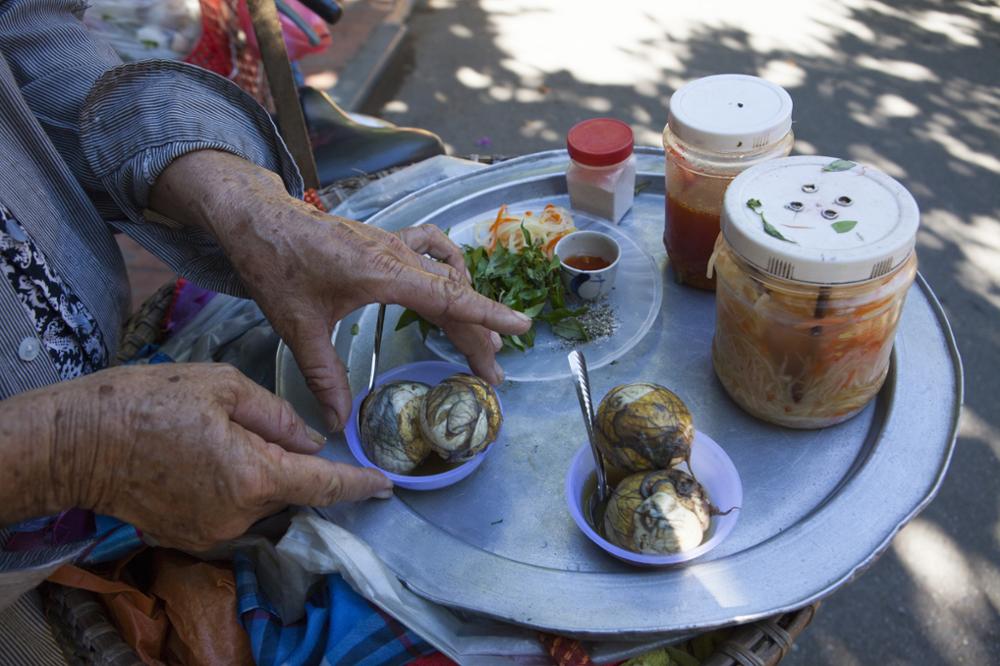
Balut refers to a fertilized egg (from a chicken, duck or quail) steamed and cooked. The egg is incubated and the fetus is already well-formed, which can be quite off-putting...
To eat it, Cambodians begin by drinking the juice surrounding the embryo before peeling the shell entirely and eating the yolk and duckling (or chick) accompanied by salt, vinegar or lemon juice.
Warning
Balut contains a very high cholesterol level. It is therefore advised to eat it in moderation.
Kang Kep Baob, stuffed frogs
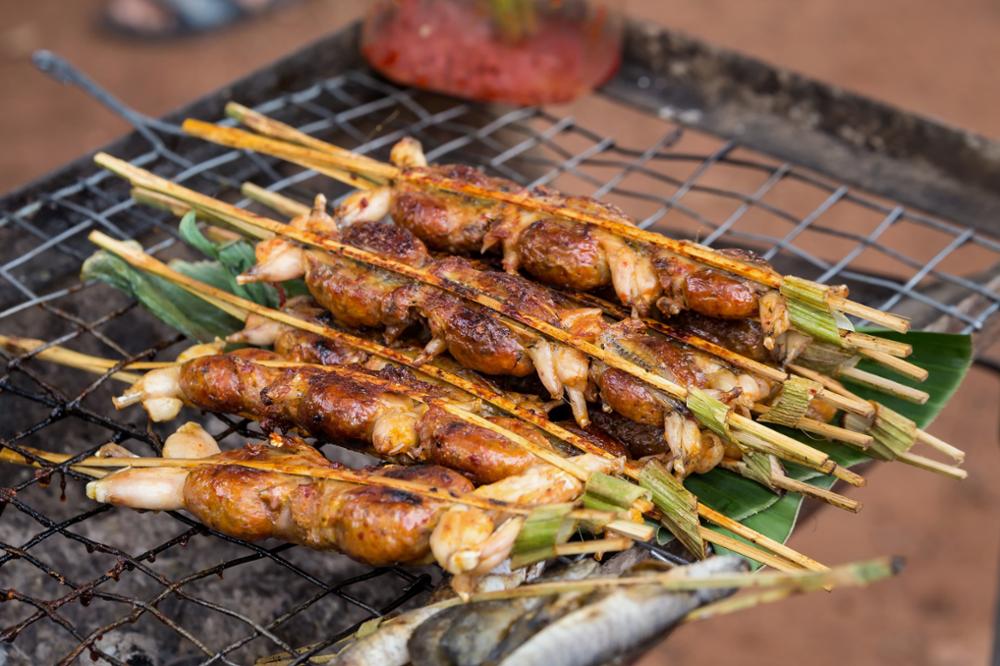
Kang Kep Baob is a relatively common dish in Cambodge. It consists of frogs stuffed with Kroeung sauce and curry. The fillings can vary by adding ground meat pieces, coconut, peanuts...
A-Ping, fried tarantulas
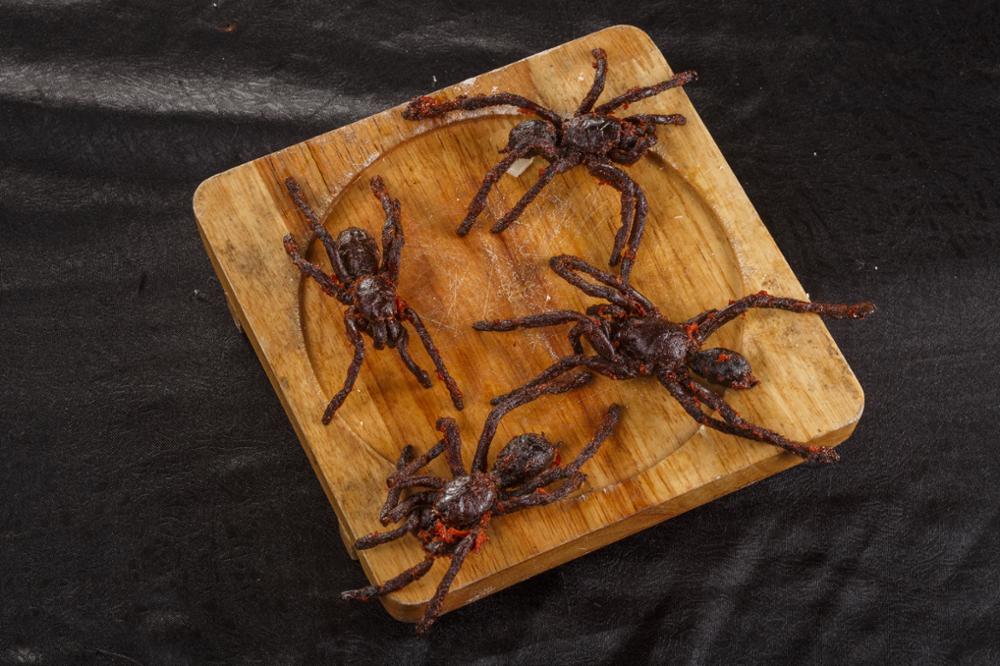
A-Ping is a tarantula boiled then fried in hot oil. It's said their flavor and texture resemble that of chicken or cod. Interestingly, Cambodians began eating spiders in the 1970s when they faced a tragic famine.
Fried scorpions and snakes
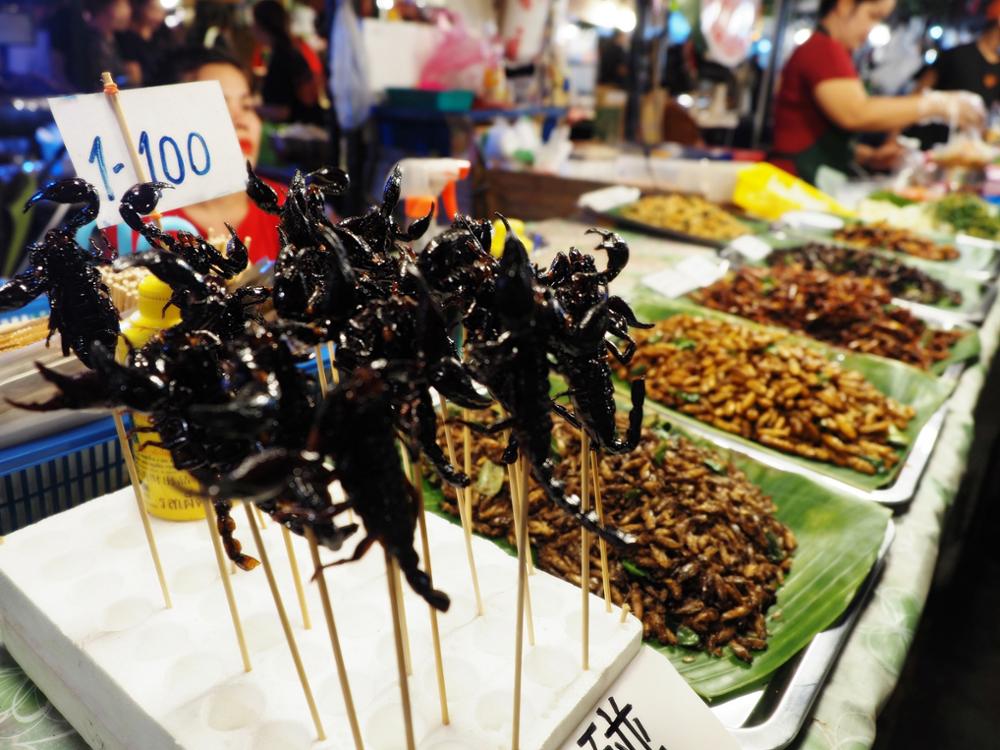
If you enjoy taking on new culinary challenges, you can try fried scorpions or snakes on a stick. Again, these are foods that were consumed by Cambodians during the oppression of the Red Khmer.
Good to know
Want more?
Cambodians are fond of fried insects. You'll find at numerous street stalls: silkworm larvae, cockroaches, crickets and grasshoppers, beetles… While you can find these throughout Cambodge's markets, note that the village of Skun, 70km from Phnom Penh, is particularly renowned for its insect market.
Sweet Cambodian street food specialties
Here are the sweet street food specialties you can find on Cambodge's streets:
Kralan, sticky rice in bamboo
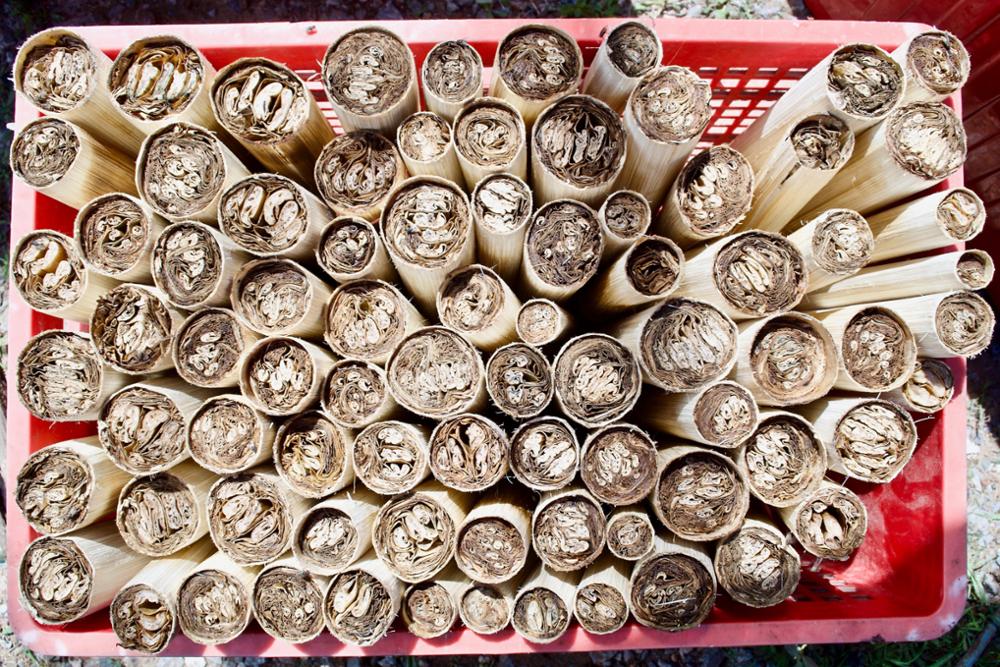
Kralan is a popular snack or dessert in Cambodge. It's sticky rice mixed with grated coconut, coconut milk, sugar and a pinch of salt. Some variants include black beans. Everything is stuffed inside a bamboo stick and then roasted over charcoal, which gives it a slightly smoky flavor.
Good to know
The rice usually comes from the terraced rice fields of Battambang.
Bey Dom Neib, mango with sticky rice
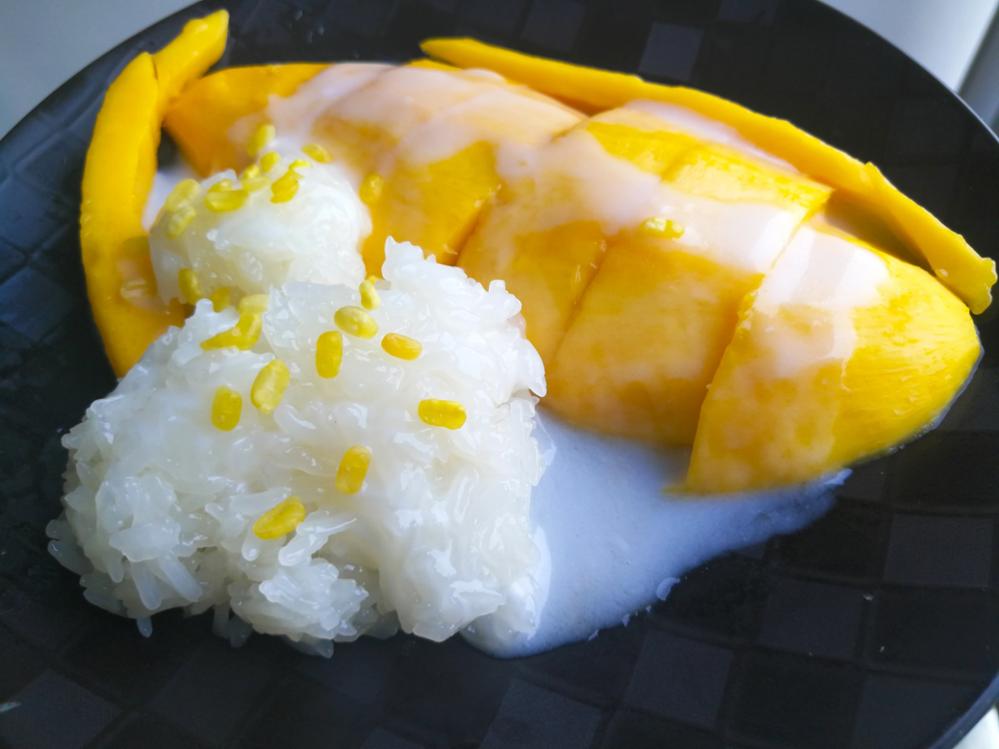
Bey Dom Neib is similar to the famous Mango sticky rice found in Thailand. This sweet consists of sticky rice mixed with coconut milk, sugar and salt. The sticky rice is served with fresh mango slices. It's a sweet you'll find primarily at street stalls during summer months (mango season).
Chet Chien, fried bananas
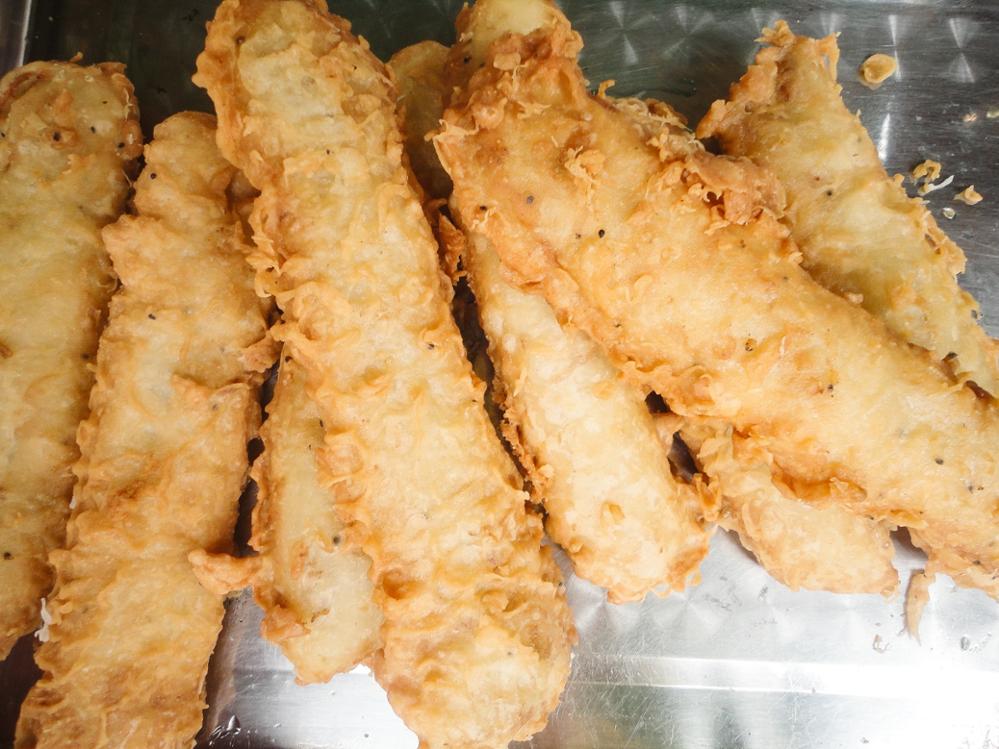
Chet Chien are fried bananas found throughout Cambodge. To prepare them, locals mash ripe bananas and coat them with a sweet paste containing sesame seeds. They're then fried in hot oil.
Nom Krok, coconut pancakes
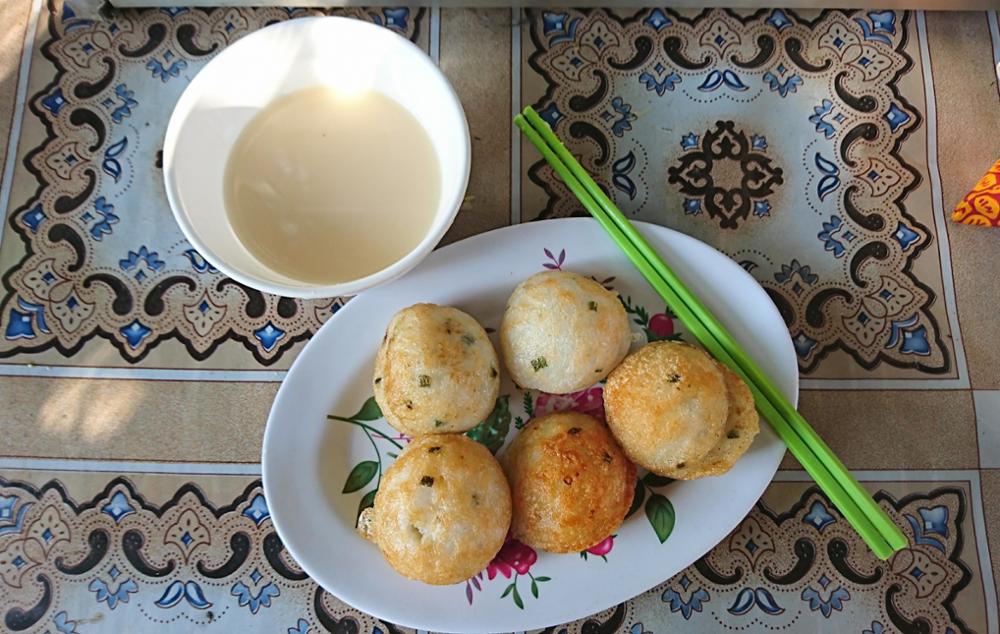
Nom Krok are small round-shaped coconut pancakes. They're made from rice flour, coconut milk, sugar and grated coconut. Cambodians enjoy eating them by dipping them in a sweet and sour sauce.
Num Kroch, sesame rice balls
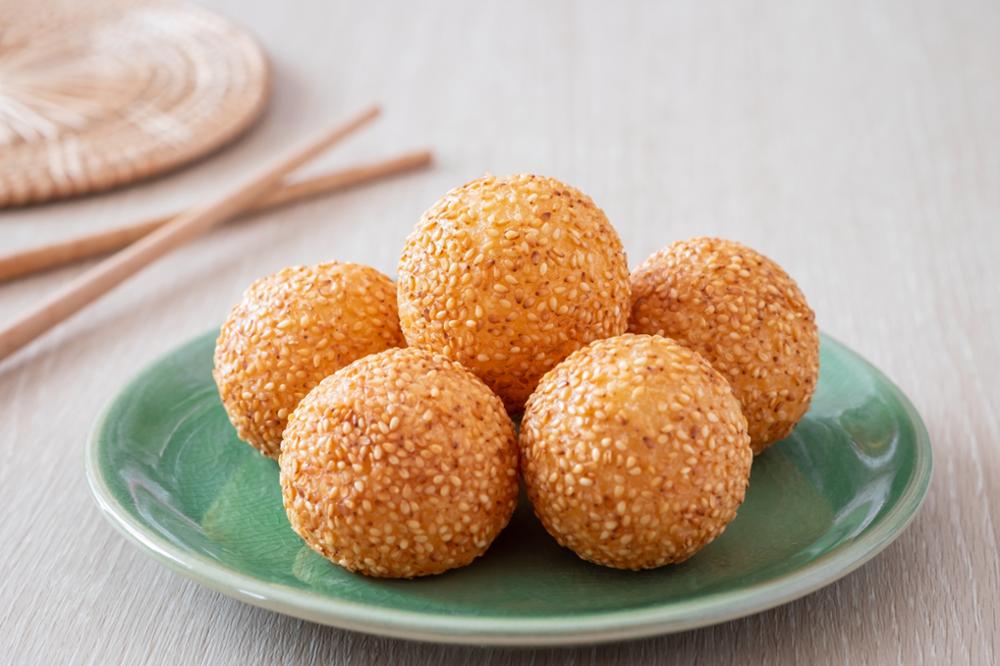
Num Kroch is a fried donut made from rice flour and filled with a mung bean paste. Shaped as balls, these donuts are coated with sesame before frying.
Good to know
Where to find the best street food in Cambodge?
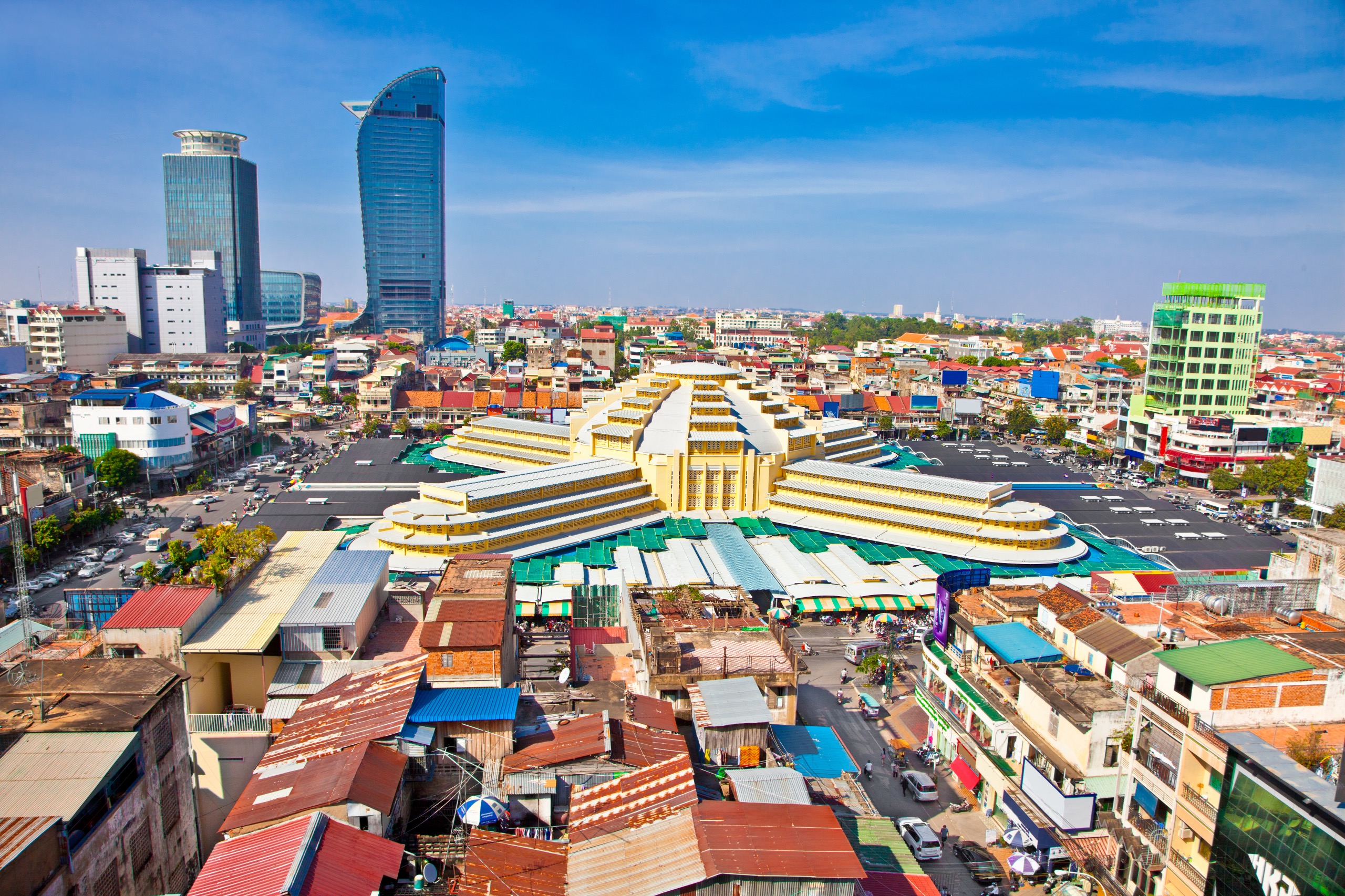
Like elsewhere in Asia, you'll find street food stalls throughout Cambodge, notably around markets. Among the most popular places, considered the realms of Cambodian street food, you can mention Pub Street in Siem Reap and Phnom Penh's Central Market (Phsar Thmey).
To go further... What if you learned to prepare Cambodian street food specialties yourself during a Khmer cooking class?
Frequently asked questions
Prioritize stalls frequented by locals, verify that foods are well-cooked and avoid tap water.
Expect between 1 and 3 US dollars for a complete street food dish depending on the specialties.
Yes, including Nom Ka Chai with vegetables, certain tofu amok versions and sweet desserts.
Markets are more lively early in the morning (6am-9am) and late afternoon (5pm-8pm).