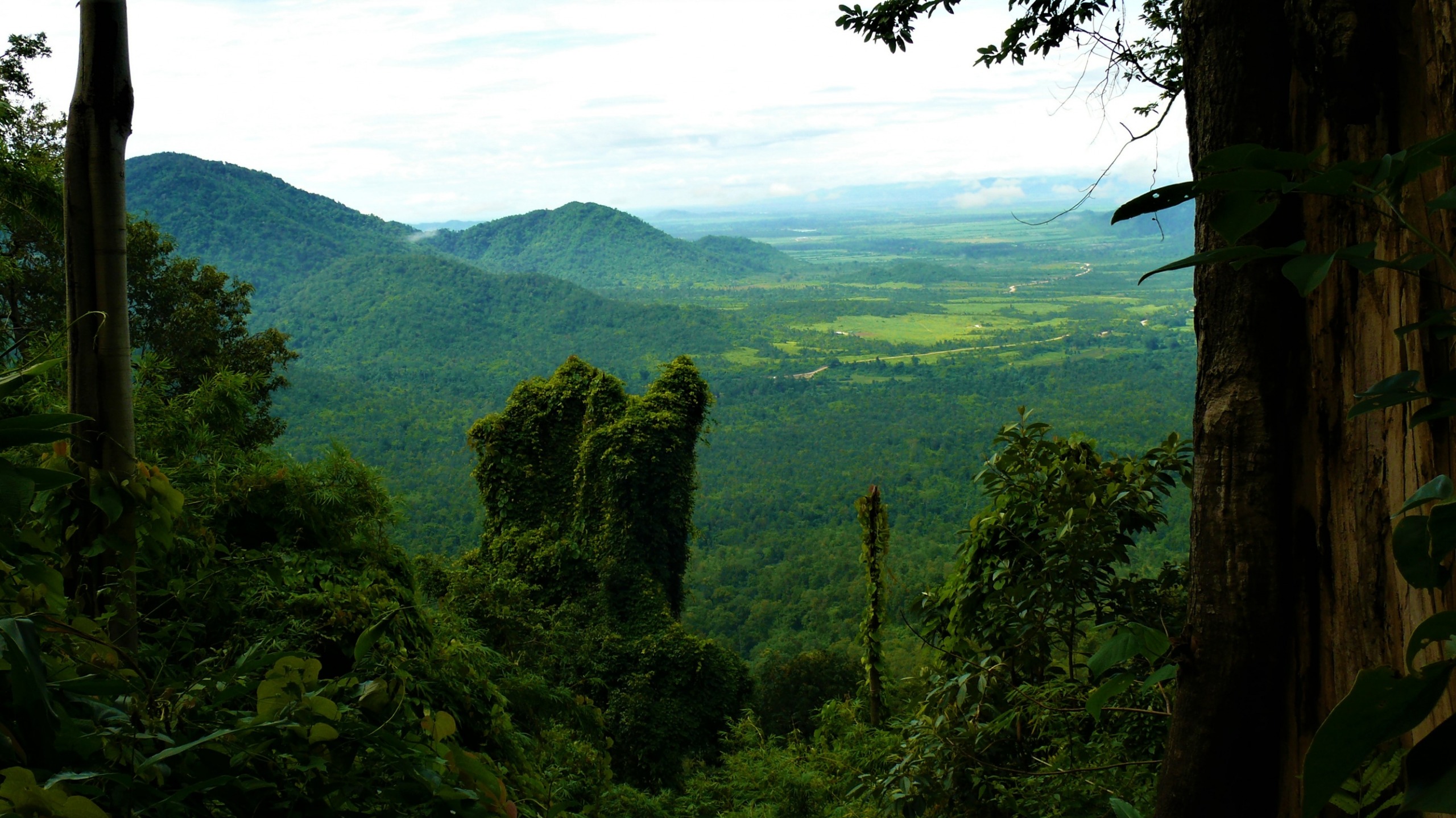
Tracing the Path of Kampot Pepper
In Kampot, pepper tells another facet of Cambodia: a unique terroir, craftsmanship passed down through generations, and plantations that are as much a pleasure to visit as they are to taste.
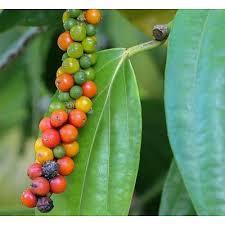
Even if you've never been to Cambodge yet, Kampot pepper has surely reached your ears, or at least your palate. It is considered one of the finest peppers in the world! It comes from the tropical vine, Piper nigrum. It takes its name from the southern province of Cambodge where it is grown. Kampot. By bus, allow three hours from Phnom Penh.
What Makes It So Special?
Kampot pepper represents the culinary pride of Cambodge. Its black pepper belongs to the family of so-called "origin" peppers, the most renowned in the world. This spice is the very first Cambodian agricultural product to benefit from a PGI (Protected Geographical Indication), a label that has protected this pepper since 2010, later registered at the European level in 2016. Kampot black pepper is moreover the only one in the world to boast such a label.
Just like great French wines, the region benefits from a unique terroir, craftsmanship, and ancestral knowledge of cultivation passed down through generations. Today, it is exported worldwide and graces the tables of the world's greatest chefs, including Olivier Roellinger.
To taste a dish enhanced by Kampot pepper, beautifully prepared by young chef Olivier Guillon, head to the gastronomic restaurant La Pergola at The Plantation, street 184 in Phnom Penh. Don't miss the crab market in Kep, the neighboring town, where you can enjoy local crustaceans seasoned with the famous pepper.
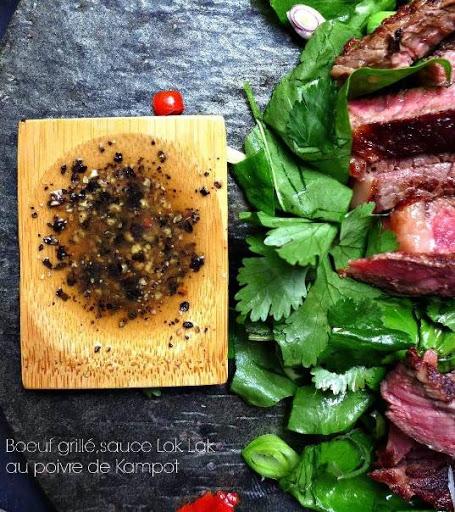
Typical Khmer dish accompanied by Kampot black pepper
Kampot Pepper Endures!
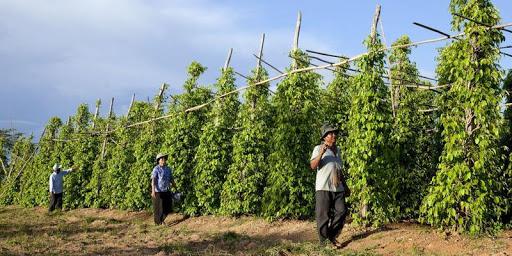
The cultivation of Kampot pepper dates back to the 13th century, following a wave of Chinese immigration. But it was in the 19th century that it truly flourished. Indeed, after the Indonesian sultan ordered the burning of Indonesian pepper plantations to prevent this culinary treasure from falling into the hands of Dutch colonists, the Kampot region became the privileged production center for pepper.
Subsequently, its development was driven primarily by French protectorate interests, making it the main colonial export crop with 8,000 tons per year.
The quality of pepper continued to improve until the arrival of the Khmer Rouge in 1975, who replaced pepper cultivation with rice. During those dark years, Kampot pepper nearly disappeared, but certain resistants preserved the teachings passed down by their parents, which allowed, after 1979, families of pepper growers to return to the land!
A Pepper in Full Revival
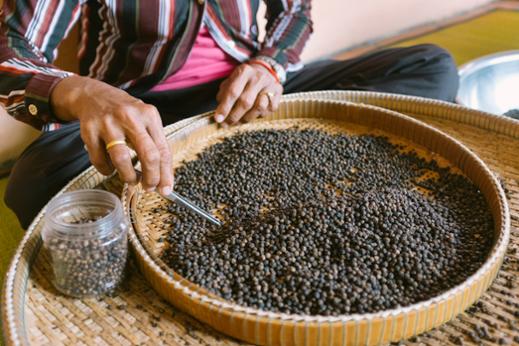
Today, Kampot pepper is experiencing a full revival with a bright future ahead, thanks notably to companies like La Plantation and Farmlink, which work daily to enhance this culinary heritage and guarantee producers fair income to sustain the ancestral pepper culture in the region.
If you're in the area, we invite you to visit Sothy's Farm or La Plantation, about half an hour's drive from Kampot. Nathalie and Guy, the owners, will be delighted to welcome you to their estate. They offer a free English-speaking tour, with a tasting of different peppers (don't miss their beef loc-lac and their chocolate-pepper ice cream).
Frequently asked questions
Authentic Kampot pepper is found in plantations like La Plantation or Sothy's, as well as in local markets. Check for PGI certification to guarantee authenticity.
The harvest takes place mainly between February and May. This is the ideal time to observe the process and understand the different stages of production.
Allow 3 hours by bus from Phnom Penh to reach Kampot. Regular buses serve this destination from the Cambodian capital.
It is the only pepper in the world with a PGI, thanks to its unique terroir, ancestral craftsmanship, and exceptional growing conditions in the Kampot province.