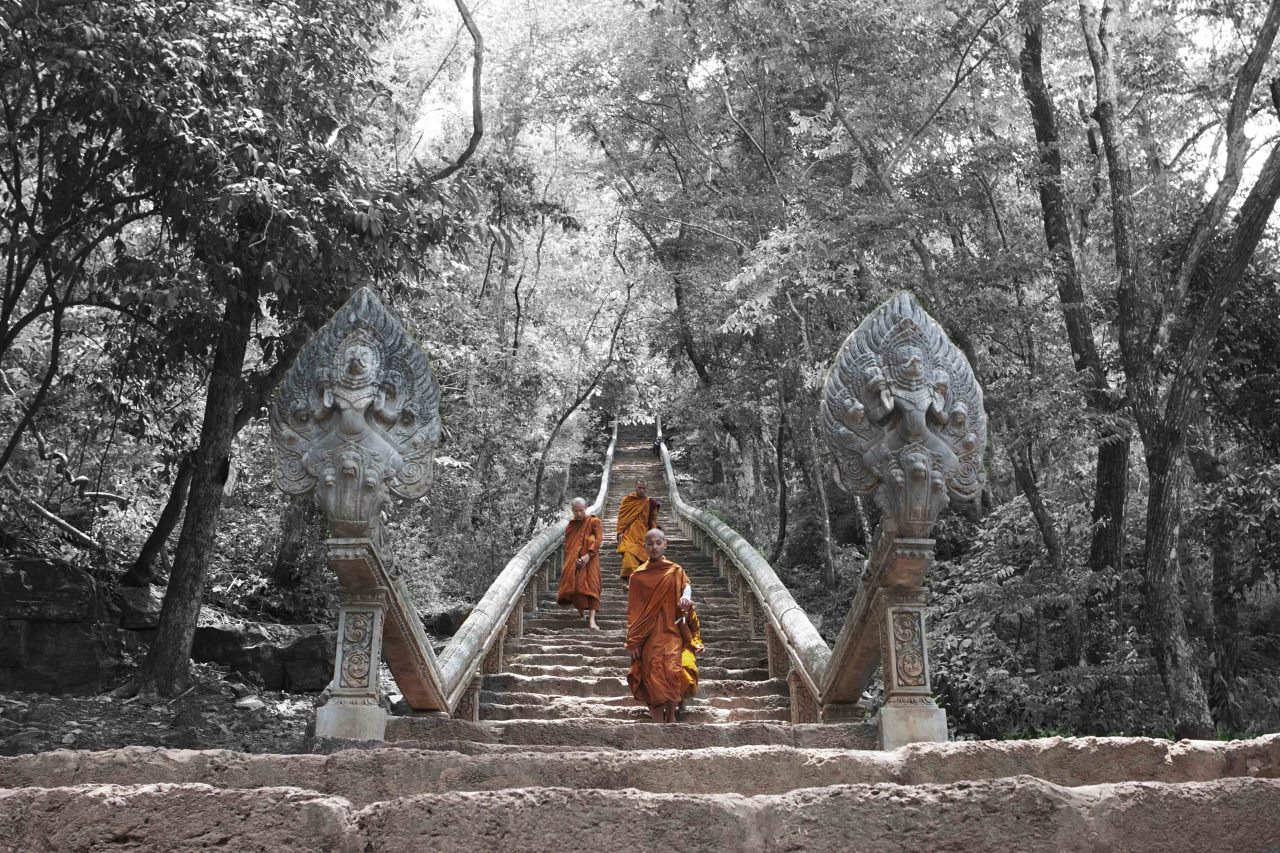
Discovering Khmer New Year Traditions
In Cambodia, Khmer New Year blends spirituality, family and public celebration. Prayers, offerings, rice cakes, karaoke and blessings mark this grand April celebration.
What is Khmer New Year?
This national festival unfolds over three days in mid-April to celebrate the first day of the lunar calendar. It corresponds to the beginning of the new year according to the Buddhist calendar. Khmer New Year marks the transition between the dry season and the approaching rainy season. It's an occasion for most Khmer people to return to their native villages to be with their families. Cities empty out in favor of the countryside.
Moha Sangkran: the first day of festivities
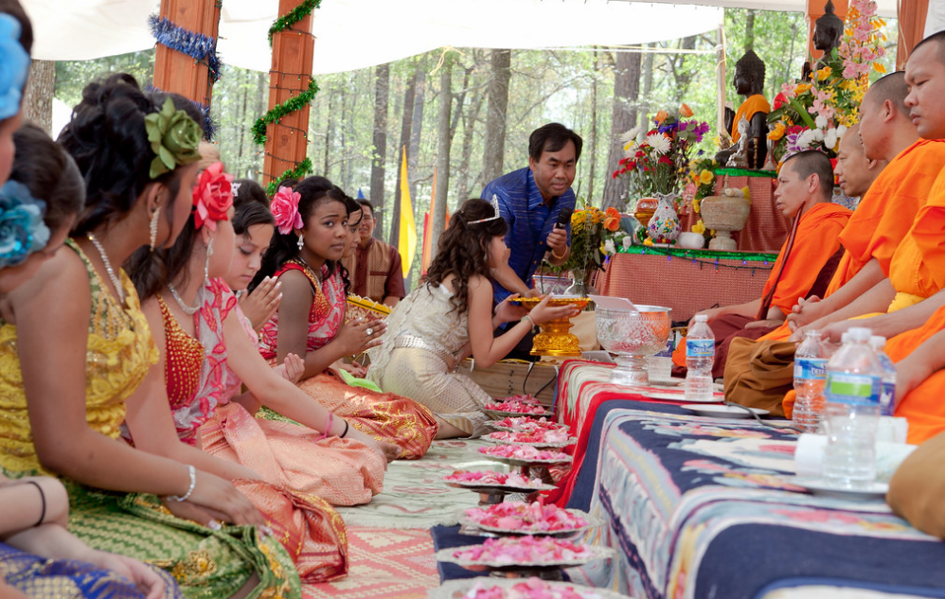
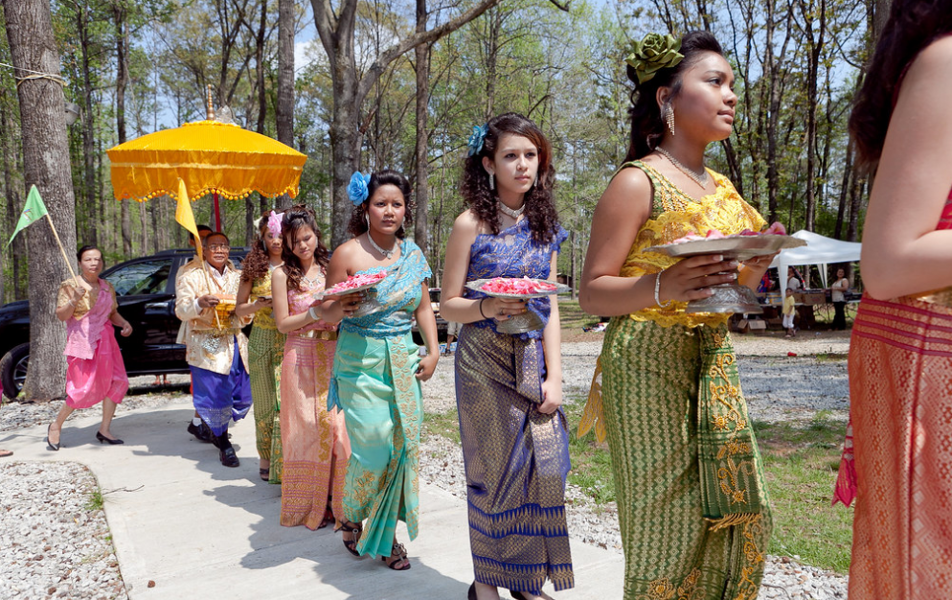
In Khmer tradition, this day is symbolized by the preparation to welcome one of God's angels. This year, the angel Mohothareak was honored. There are seven angels, one for each day of the week on which April 14th falls in any given year. Each angel is represented with their own aesthetic characteristics. However, each one is recognizable through different features that distinguish them: the object held in each hand, the animal they ride, or their headdress adorned with an accessory.
To welcome this angel as Khmer customs dictate, it is customary to perform a major spring cleaning in homes and pagodas. Additionally, fruits, flowers, candles, decorations and incense are purchased as offerings for altars placed outside homes. The type of offerings can vary from region to region and between communities. Some families, for example, also place milk, sodas, biscuits and other sweets on the altar alongside other offerings and Buddha. It is also customary to offer the angel's favorite food being celebrated. Furthermore, during the day, rice cakes are also prepared to be offered to the monks.
Later in the evening, around 7 p.m., Cambodians say their prayers, burn incense and wish each other a happy new year. It is only after these rituals that festivities can begin with music, karaoke and dancing.
Virak Vanabat: second day of the new year
This second day of the year is marked by solidarity, with everyone contributing to help the less fortunate. It is also on this day that Khmer people visit their places of worship to honor their ancestors. Children are also involved in this day dedicated to charity by giving gifts to their parents and grandparents.
Vearak Loeng Sak: the final day of celebration
On this final day of celebration, children once again play an important role. Tradition calls for children to wash their parents and grandparents. This gesture allows them to be blessed and guided in their lives. Another equally essential tradition involves washing Buddha statues with perfumed water, symbolizing the purification of sins. According to belief, this act brings luck, prosperity and happiness for the year ahead.
And Soursdey Chnam Thmey, or simply Happy New Year!
Frequently asked questions
Khmer New Year takes place over 3 days in mid-April according to the Buddhist lunar calendar, marking the transition from the dry season to the rainy season.
You can observe rituals in pagodas, witness offerings, see families cleaning Buddha statues and participate in festivities with music and dancing.
On the first day, Moha Sangkran, families prepare to welcome an angel with major cleaning, offerings (fruits, flowers, incense) and prepare rice cakes for the monks.