Kampong Cham
Kampong Cham
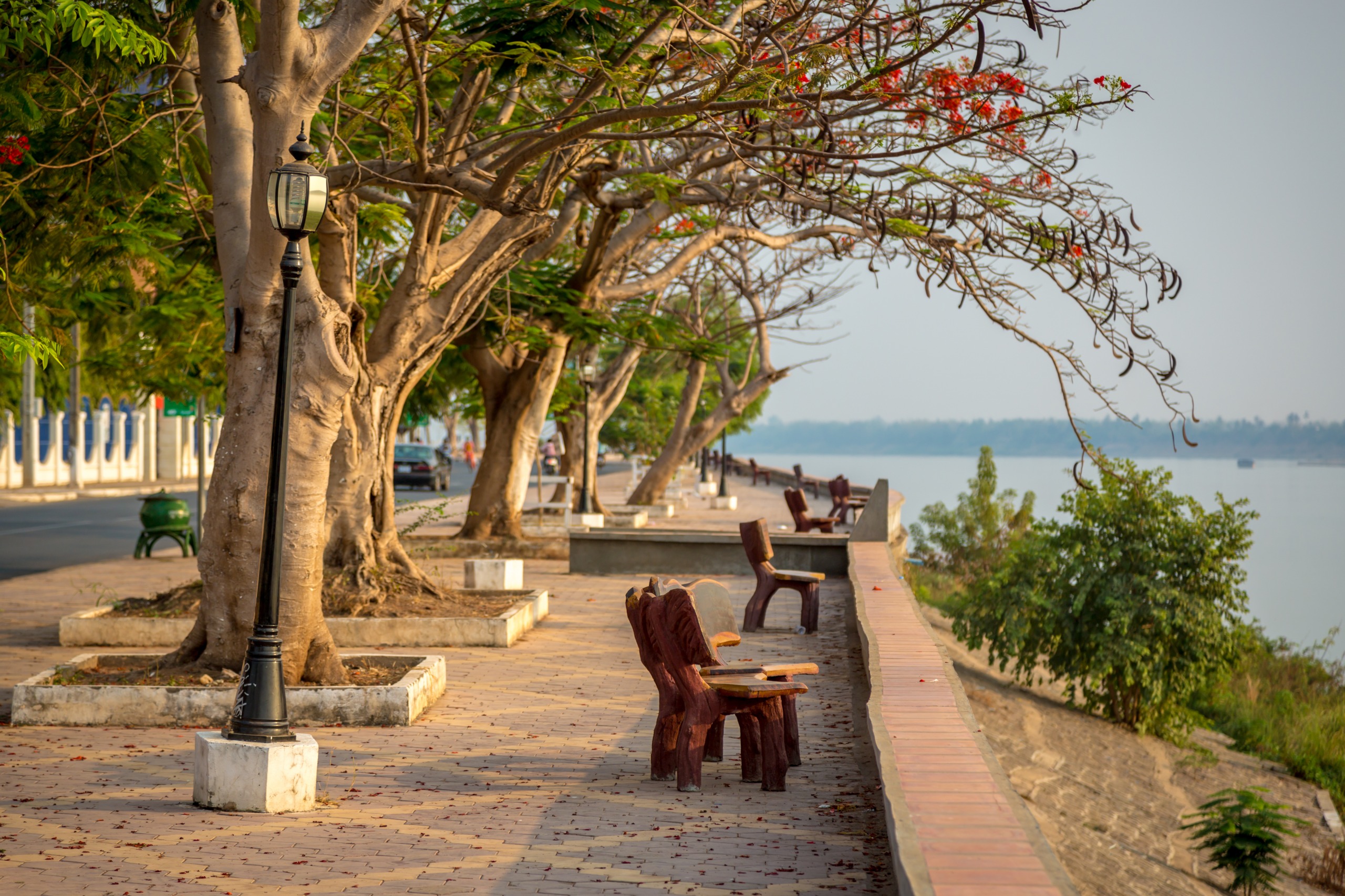
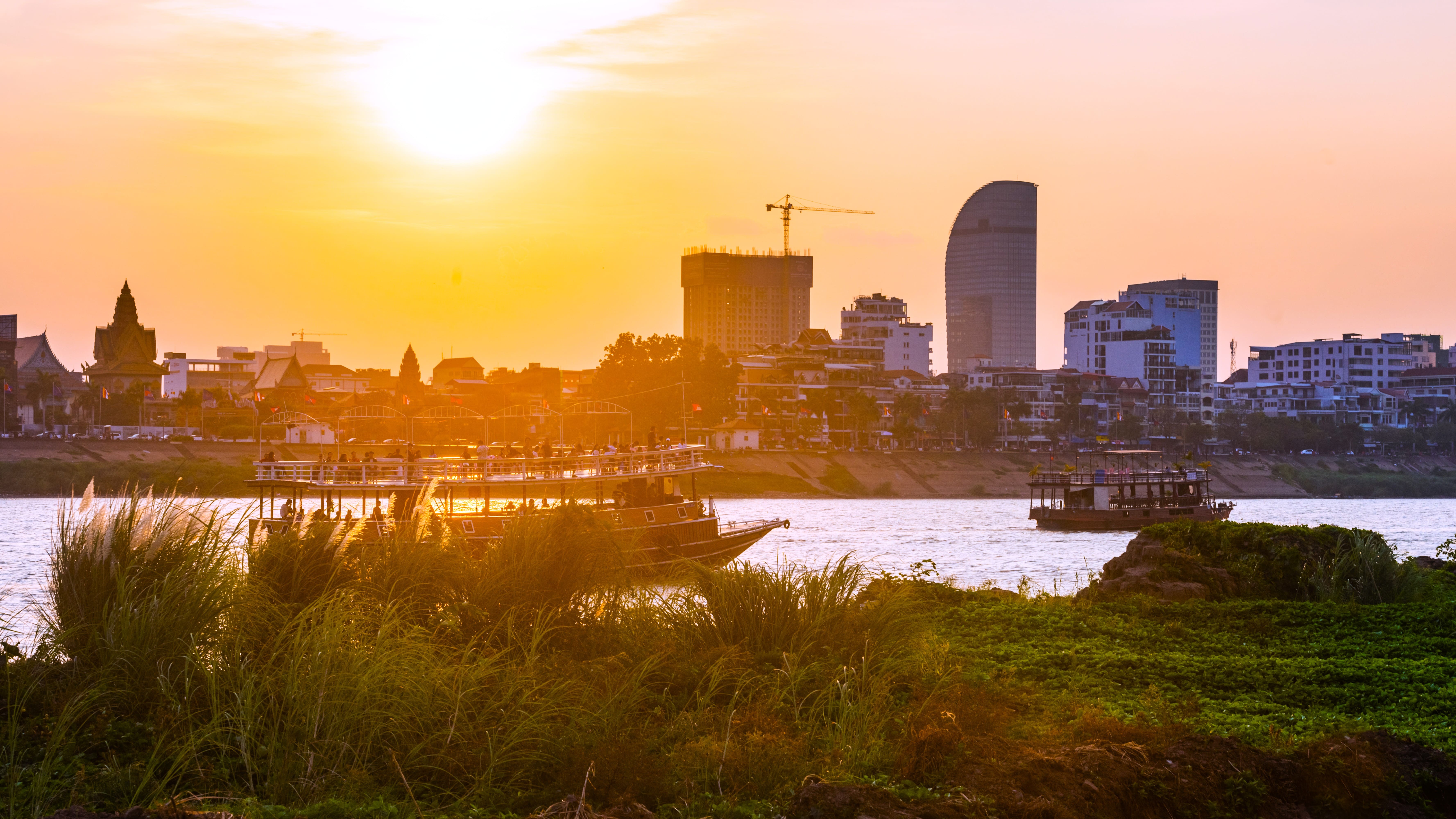
On the banks of the Mekong 123 km from Phnom Penh, Kampong Cham blends pre-Angkorian temples, a bamboo bridge and rubber plantations. Rural Cambodia at its most authentic, peaceful and wonderfully off the beaten path.
Name : Kampong Cham
Khmer name : ក្រុងកំពង់ចាម
Status : city
Province : Kampong Cham
Area : 4,549 km²
Population : 118,242 inhabitants in 2008
Kampong Cham is a remarkable destination in Cambodia, located on the right bank of the Mekong, 123 km from Phnom Penh. It is a city that captures the authenticity of Cambodia and exudes serenity. If you're passing through Cambodia, make time for Kampong Cham and discover its beautiful landscapes and elegant colonial-era buildings that line its streets.
Today
Discovering Kampong Cham
Kampong Cham is considered the third largest city in Cambodia and one of the country's most densely populated provinces. The city is divided into four districts and 31 phums (villages). These are Kompong Cham, Veal Vong, Boeung Kok and Sambour Meas districts.
Kampong Cham is also an important transport and commercial hub. Tobacco, soybeans, rubber and other tropical products are cultivated and exported from Kampong Cham. The city's lands are particularly fertile. Kampong Cham is also known as Cambodia's white gold, celebrated for its rubber harvests and large rubber processing factories that have operated for nearly a century.
The charm of the city
The city's residents are exceptionally welcoming, and the landscape is both picturesque and enchanting. Kampong Cham reflects both ancient and modern Cambodia with temples constructed in the 12th century. Notable examples include the temples of Wat Nokor and Wat Hanchey. The city is also famous for its bamboo bridge: the Kizona, which connects the country's northeast regions to the city.
The atmosphere of Kampong Cham
Kampong Cham welcomes visitors with a distinctive and authentic atmosphere. The city market features beautiful displays of goods of all kinds. Through the market streets flow a mix of tuk-tuks, street vendors and an abundant sense of local life.
The city also boasts large hotels, cafés and other establishments that welcome tourists warmly. It's worth noting that the city is generally quite peaceful, with streets not overwhelmed by tourists as in other Cambodian cities.
Naturally, you won't leave Kampong Cham without visiting the Phnom Pros and Phnom Srei hills. From these heights rises a magnificent panorama of the Mekong. You can also explore monuments and historic sites, unusual places and villages that have made Kampong Cham popular.
Nearby attractions
Koh Pen Beach
A stroll along Koh Pen beach is also a delightful experience. The beach is located just 2 km from the city.
Visiting the Old Mekong Lighthouse
The first thing to do upon arriving at Kampong Cham is to climb to the top of the Old French Lighthouse, which offers panoramic views of the entire city.
The hills of Phnom Pros and Phnom Srei (the hills of men and women)
The hills are located 114 km from Phnom Penh, 7 km from Kampong Cham. In ancient times, custom dictated that women propose to men. However, this custom displeased the less attractive women who were always rejected. They challenged the men to build the highest mountain between sunset and sunrise. Whoever won would choose who must propose to whom in marriage.
The Phnom Pros Pagoda
Also known as Sovan Kiri Rotanak, this pagoda stands 30 metres high. Within the temple lies a large 15-metre statue named Keo So. From the summit of Phnom Pros, you can enjoy magnificent views of the entire Kampong Cham province.
The Kizona, the bamboo bridge
The bamboo bridge is painstakingly rebuilt by hand each year after the monsoon, providing access to Koh Paen, an island on the Mekong opposite Kampong Cham. It measures at least 400 metres. The bridge is designed for crossing during the dry season, while during the rainy season it is completely destroyed. Unfortunately, the future of the bamboo bridge is uncertain as a concrete bridge is set to replace it, and it remains unclear whether the annual reconstruction will continue.
The Wat Nokor Temple
Nokor is a pre-Angkorian Buddhist temple dating from the 11th century. Within it stands a pagoda recently constructed using the temple's ancient sculptures. Wat Nokor is surrounded by numerous small sanctuaries. The temple is particularly vibrant in colour, and it's a pleasure to stroll through and encounter the resident monks.
Wat Hanchey
Wat Hanchey is a temple set within a stunning contemporary pagoda. Dating from the 7th century, it is one of the rare Cambodian temples that overlooks the Mekong. Some of Wat Hanchey's foundations were destroyed by American bombing campaigns. After crossing the Mekong, you will arrive at the temple. It is both a celebrated place of worship and a magnificent site.
The village of Skun
To complete your visit, don't miss the village of Skun. It is famous for its culinary specialty: fried tarantulas, particularly prized in the region. You'll taste this unusual dish with its tender interior and crispy exterior.
To reach Kampong Cham from Banlung, you can take a bus with the Sorya company. The journey will take approximately 7 hours and tickets cost 10 dollars per person. The bus will drop you in the city centre. Additionally, taxis and minibuses connect the cities of Siem Reap, Phnom Penh and Kampong Cham.
Kampong Cham is a small city and can be explored on foot or by renting a tuk-tuk or motorbike taxi. You can rent motorcycles for 4 to 5 USD per day.
What to do in Kampong Cham?
• Savour the peaceful atmosphere of the city while also making time for the Mekong market to experience a bit of local bustle.
• Visit Kampong Cham's former colonial residences, such as the old Mekong lighthouse.
• Explore Angkorian temples such as Wat Nokor or Wat Hanchey.
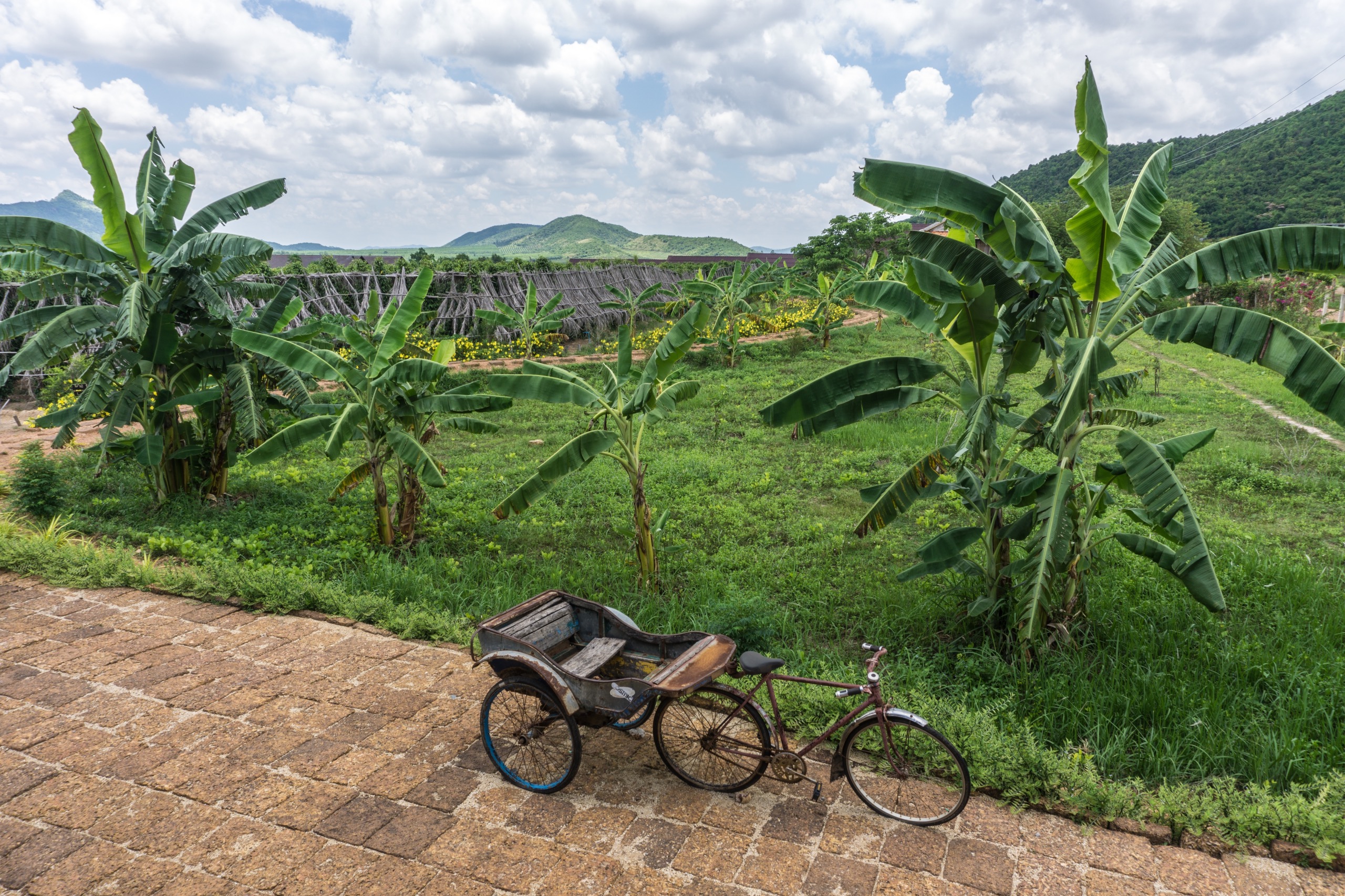
• Cycle through the countryside or take bicycle tours through rural landscapes.
• Take a boat trip on the Mekong and discover the beautiful villages that surround it.
Best times to visit Kampong Cham
The best season to visit Kampong Cham is from November to May.
Attractions in Kampong Cham
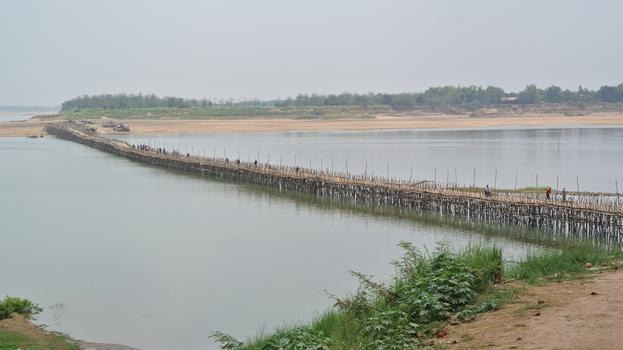
Un pont en bambou
Reconstruit à la main chaque saison sèche, ce pont en bambou de près d'un kilomètre relie Kampong Cham à l'île de Koh Paen sur le Mékong.
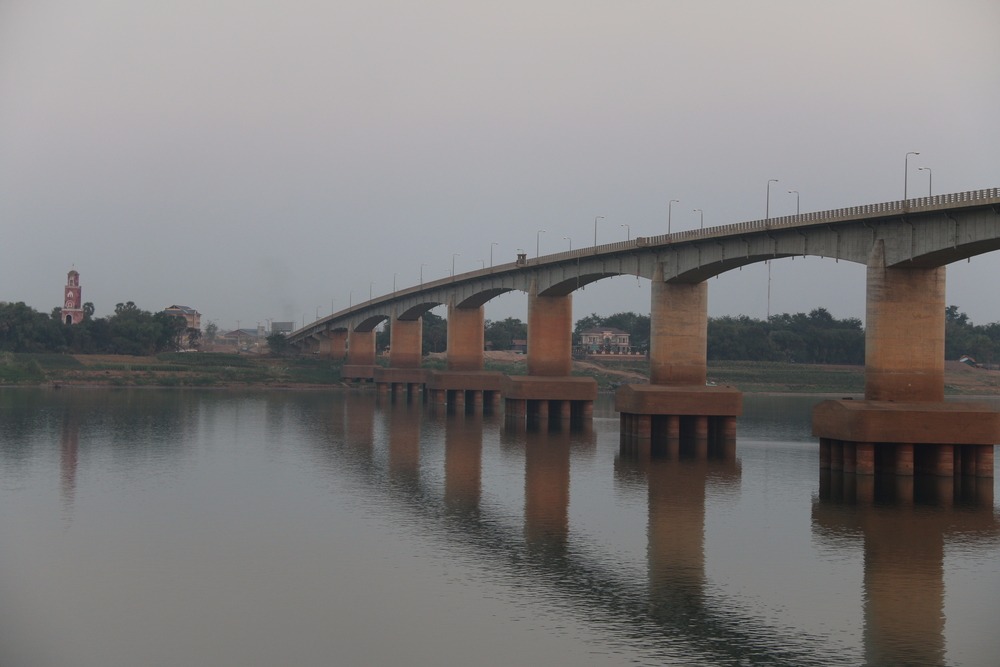
Le pont Kizuna de Kampong Cham
Inauguré en 2001, le pont Kizuna fut le premier ouvrage à franchir le Mékong au Cambodge. Symbole de la coopération Cambodge-Japon à Kampong Cham.
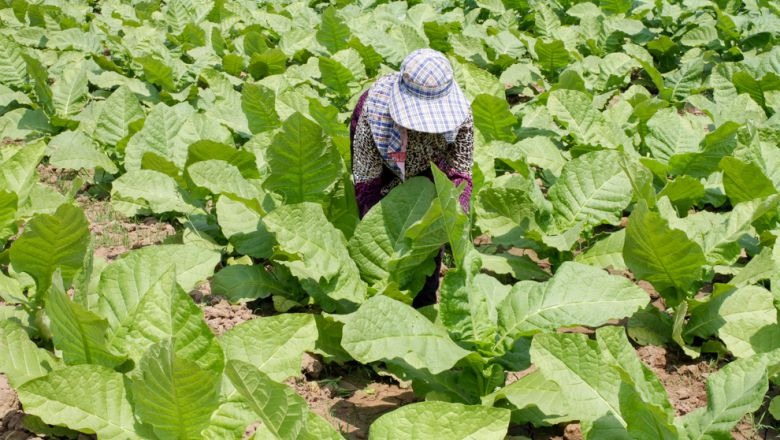
Les champs de tabac de Kampong Cham
Le long du Mékong, les plantations de tabac de Kampong Cham révèlent un savoir-faire agricole hérité de l'époque coloniale et toujours bien vivant.
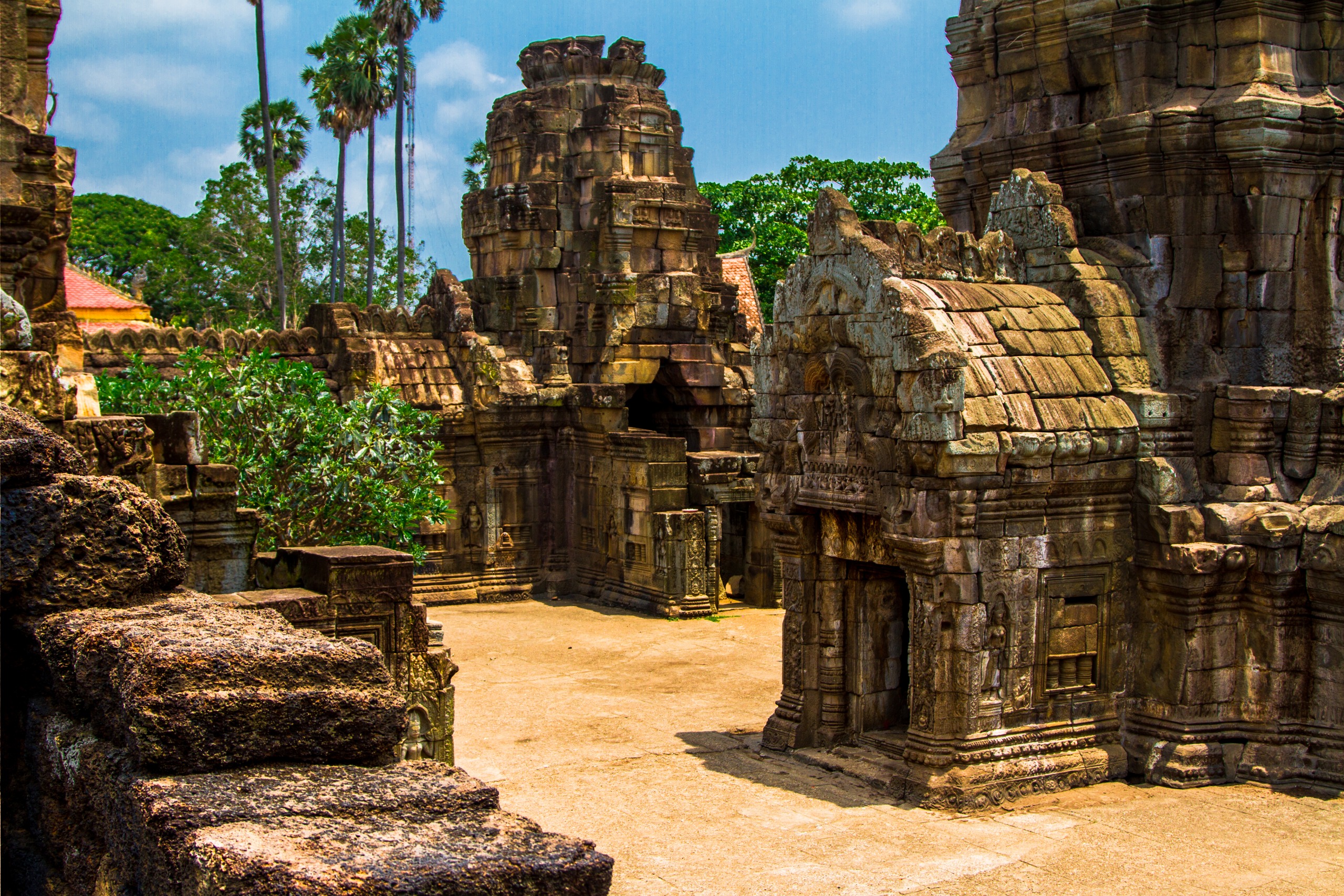
Nokor Bachey
À 2 km de Kampong Cham, Nokor Bachey associe un temple hindou du XIIᵉ siècle dédié à Vishnu et une pagode bouddhique encore en activité.
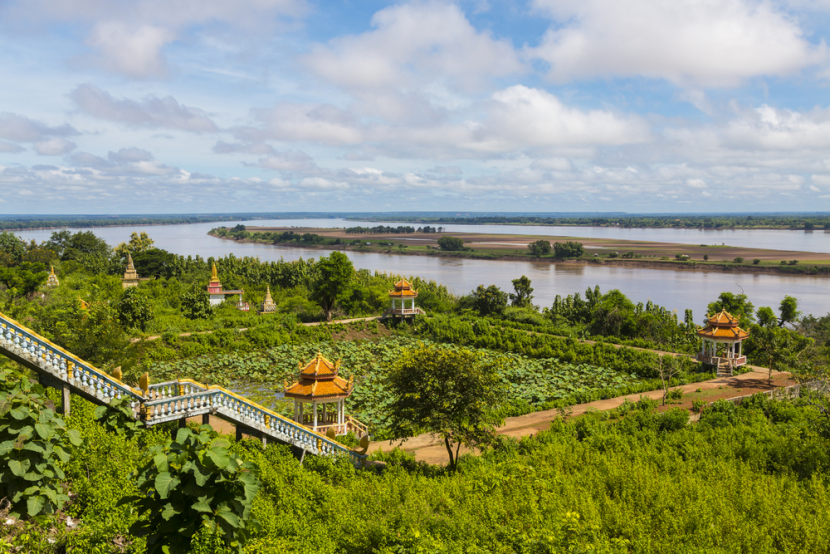
Preah Theat Teuk Chhar
Ensemble de temples khmers vieux de plus de 1000 ans, niché près d'une cascade dans le village de Thmor Da, à 40 km au nord-ouest de Kampong Cham.
Accommodation in Kampong Cham
See all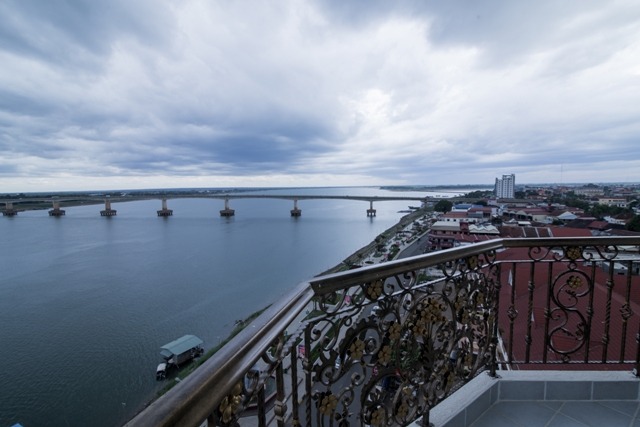
Want to discover this destination?
Our local advisors design your tailor-made trip.