Traveling to Cambodia During Monsoon Season: Advantages (and Precautions to Take)
Traveling to Cambodia during monsoon season requires some planning, but the rainy season offers real benefits: fewer crowds, lower prices, and landscapes magnified by the rain.
The monsoon in Cambodia is a period often overlooked by travelers keen to visit the country. Yet the rainy season offers several advantages! The key is to approach it properly, to make the most of it... Rainfall, climate, indoor activities: follow along as we tell you everything about the "green season"!
What are the climate and temperatures in Cambodia during the monsoon period?
Temperatures
Cambodia is subject to a tropical climate, where temperatures hover around 30°C throughout the year. During the dry season (winter, from November to March), temperatures are somewhat cooler, making it the peak season (the most touristy period)... Visiting the country during monsoon is therefore a good alternative, provided you fully understand this atypical period.
The rainy season across the country
In Cambodia, the rainy season (monsoon) occurs between May and October. During this period, the country experiences very heavy rainfall, quite abundant but of fairly short duration.
Showers are often concentrated late in the afternoon (around 5-6 pm) and the maximum duration of showers is approximately two hours per day. Despite the rain, sunshine prevails during the humid season. The heaviest rainfall occurs between July and September (accompanied by very strong winds).
The monsoon in Cambodian regions
Depending on the region, rainfall varies in intensity. To enjoy your trip without suffering from the weather, it's important to understand the differences across various parts of the country.
During monsoon, Cambodia receives a significant amount of water. This varies by region:
between 1,300 and 1,800 mm in inland regions,
over 2,000 mm in the southwestern region,
over 3,000 mm in the north-central region,
up to 5,000 mm in mountainous regions.
Note that the monsoon ends earlier in the north of the country (early November), while it withdraws between mid and late November in other regions.
What advantages does the monsoon offer?
1. Few tourists
Due to its weather, the monsoon period attracts far fewer tourists than the rest of the year. The result? Tourist and cultural sites, usually crowded, welcome far fewer people!
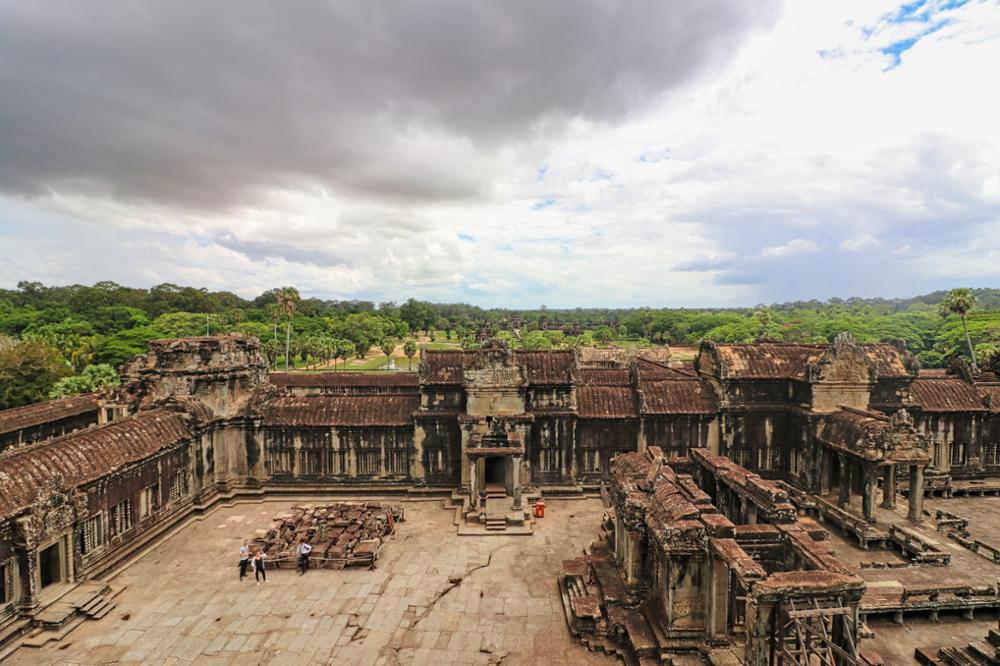
An opportunity to visit at leisure the most beautiful sites in the country, such as the sublime Angkor temples – which attract so many visitors during peak season that their discovery can sometimes be spoiled by crowds and congestion…
Similarly, it's often recommended to visit Phnom Penh between November and March to enjoy pleasant temperatures, yet this is also when Cambodia's capital is most overcrowded.
2. A more authentic atmosphere
Fewer crowds also allow you to discover a more authentic Cambodia and get closer to the local population (usually lost in the masses, with over 3 million tourists each year).
3. Lush landscapes
One of Cambodia's strong points is the beauty of its landscapes. During the rainy season (nicknamed the "green season"), these are magnified by the verdant colors of the monsoon!
Moreover, the sky, alternating between sunny, rainy, and cloudy, offers superb contrasts, ideal for taking beautiful photographs and capturing the beauty of the horizon, rice plantations, and forests...
Due to rainfall, waterfalls and waterways are also more abundant and more impressive. Another advantage? Purified by rain, monuments are cleared of dust and display more vibrant colors.
4. A more affordable trip to Cambodia
Visiting Cambodia during monsoon is also a way to discover the country at a lower cost. Less sought-after by tourists, the rainy season offers more favorable prices than peak season (up to 30% cheaper on airfares).
During this period, accommodation and tourist attraction prices are also lower.
What precautions should be taken during the rainy season?
Safety rules
During showers, it is advisable to:
stay indoors until the rain stops,
avoid traveling on roads (as several dozen centimeters can accumulate on them),
avoid areas prone to lightning, in case of storms (isolated trees, metal structures, etc.)
be careful of reptiles (during monsoon, it's not uncommon for snakes to approach cities and dwellings due to flooding).
be cautious of infections, due to humidity, minor wounds can take time to heal (breeding ground for staphylococcus),
prevent "monsoon diseases" (such as malaria or viral fever) transmitted by dengue or mosquitoes. How? By staying away from water sources and mosquito breeding zones!
practice strict hygiene rules (do not drink tap water, eat safe and healthy food, etc.), to avoid dysentery,
keep all doors and windows of your accommodation closed.
Essentials to pack
For optimal comfort during monsoon, a few essentials should be included in your luggage:
waterproof clothing (if you don't have any, you'll find it easily on site),
comfortable shoes,
a flashlight (power outages are fairly common),
a sweater (to deal with the cold from air conditioning in establishments),
a collapsible umbrella (takes up little space).
What to Do During Monsoon in Cambodia?
1. Stroll through Phnom Penh's Central Market
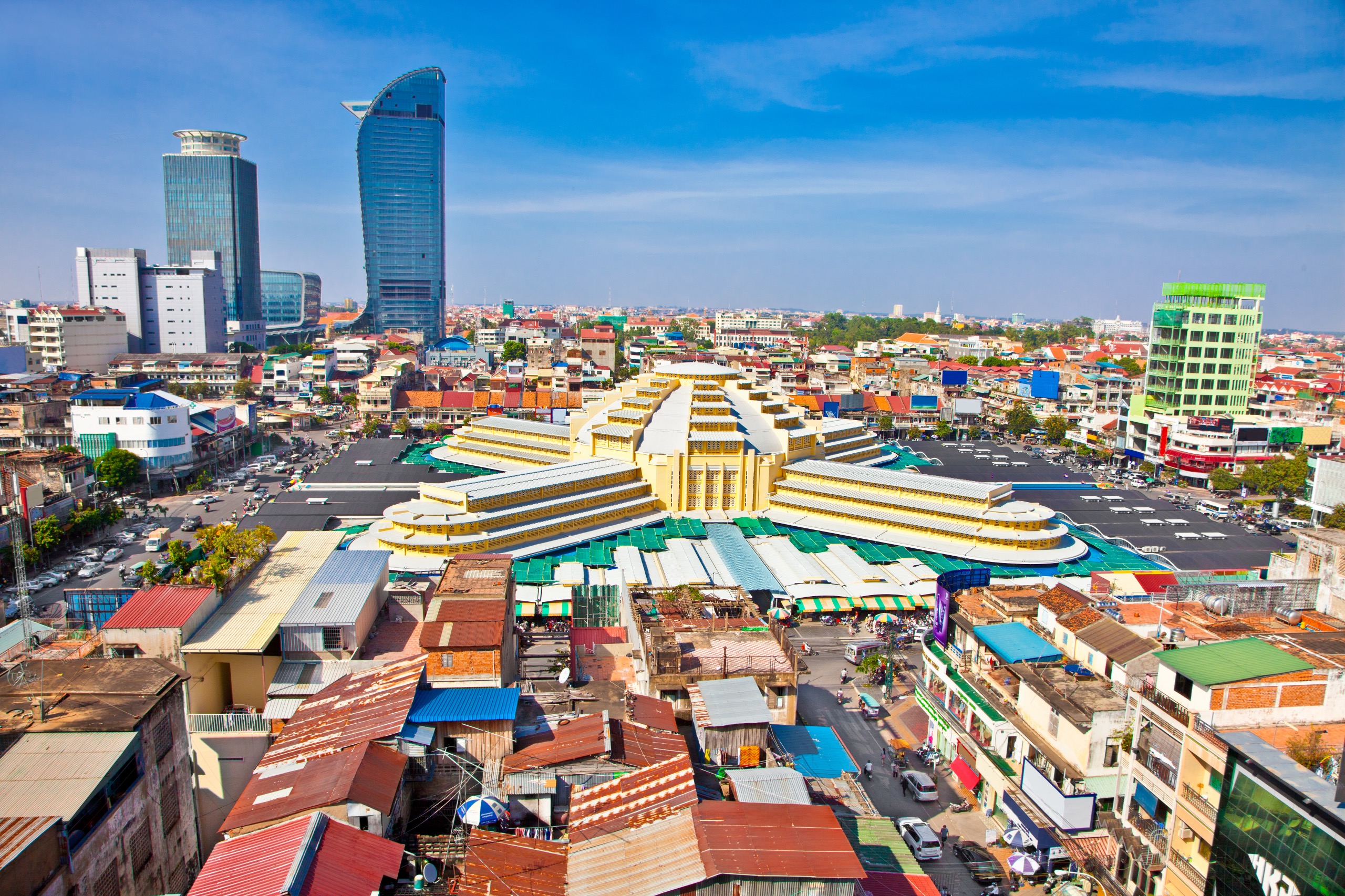
During a shower, discover the Central Market of Phnom Penh. Built in the 1930s, this place, highly frequented by locals, is well worth a visit. Why? The beauty of its art deco architecture – and its 36-meter-high dome! Inside, you'll find food, but also numerous stalls (spices, clothing, traditional garments, etc.).
2. Visit must-see museums
The National Museum of Cambodia : located in Phnom Penh (north of the Royal Palace), this cultural venue houses one of the most important collections of Khmer art, with nearly 14,000 pieces!
The Angkor National Museum : spread over two floors, this museum traces the entire history of Khmer civilization. During your visit, you can admire the richness of artworks, distributed across several galleries. Among the most beautiful? The "gallery of a thousand Buddhas" with its superb statues. Audio guide in English available.
The Tuol Sleng Genocide Museum : emotionally difficult, but essential, S21 is located in a former detention facility, where many people were tortured and executed by the Khmer Rouge...
The Cambodian Landmine Museum : located north of Siem Reap, this museum was created in 1997 by a former child soldier (landmine victim) who has been working since adulthood to make his country safe.
3. Practice yoga or relax at a spa
Yoga is a highly popular discipline in Cambodia – every year, the country welcomes enthusiasts from around the world, seeking meditation! A secret? With its breathtaking natural landscapes, the city of Siem Reap is ideal for engaging in this national sport and rebalancing your chakra!
Don't hesitate, furthermore, to treat yourself to a true moment of relaxation at one of the many wellness centers, thanks to the benefits of a traditional massage...
4. Attend the Water Festival
Finally, if you're in Cambodia during November (just at the end of monsoon) you'll have the chance to attend an emblematic festival, named the "water festival". This is a very important cultural event for Cambodians (which also marks the beginning of fishing season).
For several days, festivities take place throughout the country. An opportunity to witness fireworks, customs, as well as boat races along the Mekong plains. The main event takes place in the heart of the capital.
Frequently asked questions
Yes, it's even recommended! The Angkor temples are magnificent in the rain, with fewer crowds and more vibrant colors after the showers.
Expect 30% less than peak season. A budget of €40-50/day is sufficient for a comfortable trip, accommodation and meals included.
Main roads remain passable. Avoid traveling during showers and opt for public transport or taxis.
In Cambodia, peak season runs from November to April (the dry season). This period is very popular due to its pleasant temperatures (around 28°C). It is also the most popular season, and therefore the most expensive.
Cambodia offers a different experience depending on the period. During the rainy season (the low season, occurring between May and October), the country displays lush landscapes and a more authentic atmosphere than during peak season. It is less touristy and less expensive.
Cambodia is a safe country. Note, however, that the level of terrorism can sometimes be high. Before you leave, check the Ministry of Europe and Foreign Affairs website to verify the political situation at the moment.