Tuol Sleng Museum, a dark chapter of Cambodia's past
Street 113, 3, Phnom Penh, Cambodia
In Phnom Penh, Tuol Sleng Museum recounts the story of prison S-21 with striking sobriety. A challenging visit, but an essential one for understanding Cambodia's memory.
The Tuol Sleng Genocide Museum, located in Phnom Penh, addresses the darkest hours of Cambodia's history in a powerful, remarkable way—with sensitivity and restraint. The chronology of this Khmer Rouge detention and torture center unfolds with nuance, its purpose clear: to ensure this place never fades from memory. A small facility where over 18,000 people perished in just two and a half years. A visit of 3 to 5 hours that feels profoundly necessary during a stay in Cambodia.
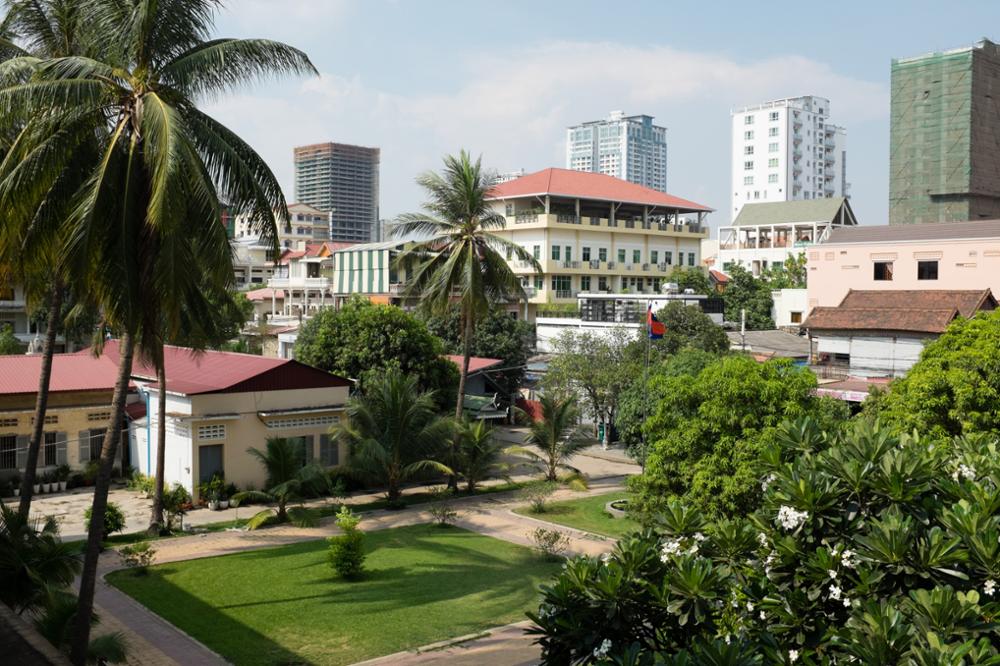
Cafés, restaurants, souvenir shops, apartments, a museum at its heart... And above all, bustling streets. The Tuol Sleng neighborhood today bears no resemblance to what it was 40 years ago. On April 17, 1975, the Khmer Rouge swept into Phnom Penh and emptied the capital in less than a week. The "new people"—city dwellers termed so by KR leaders—were forced to migrate to the countryside to form labor cooperatives. Phnom Penh became a ghost city, literally deserted.
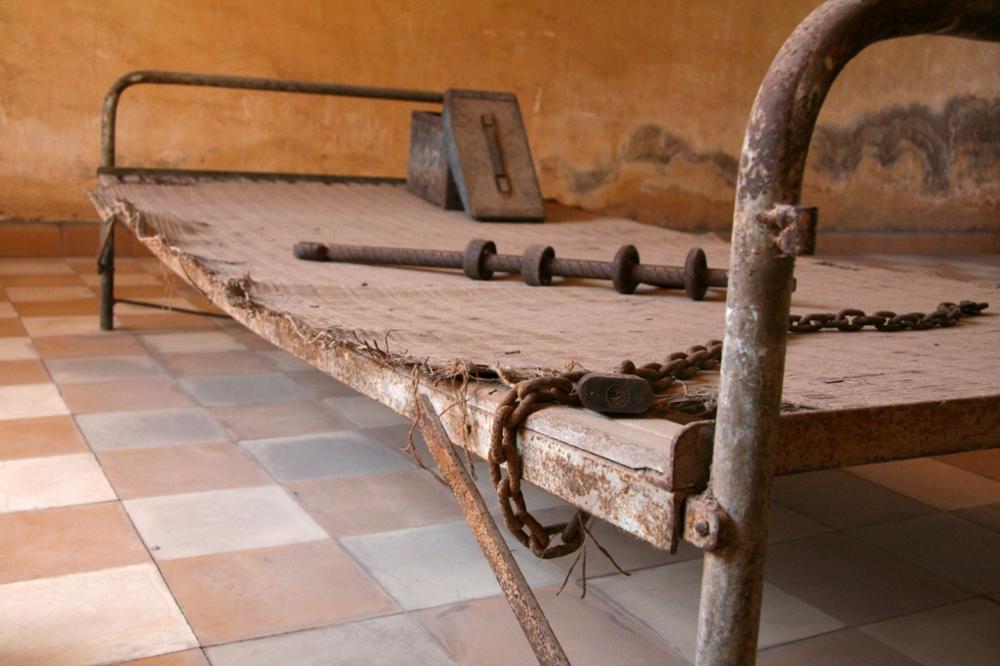
Only a few locations remained exceptions, such as the Royal Palace, where Cambodia's former king Norodom Sihanouk and his family were held captive. And also Tuol Svay Prey High School, in the Tuol Sleng district—a symbolic beacon of education and achievement, where many capital residents came to sit their baccalauréat exams. Prison S-21 was established there in August 1976. From that moment forward, prisoners replaced students, and torturers supplanted teachers. Former mathematics teacher Kang Kek Leu took command of the penitentiary. He would become known as Duch. In that monsoon month of 1976, the building's windows were sealed, desks, chairs, and podiums removed. In their place: torture beds, cells, chains, and stocks. Over two and a half years, 18,000 people lost their lives, with only 11 survivors found alive when the Vietnamese arrived in the capital. These witnesses enabled the establishment of this museum, bearer of a heavy yet essential memory. Everything that transpired within this facility is recounted in meticulous detail. Texts, testimonies, and photographs accompany your guide's narrative.
A powerful and thoughtful narrator
Your visit can be guided, if you wish, through a carefully crafted audioguide. The narrator's voice—measured and calm—contrasts starkly with the weight of your journey. The atmosphere is genuinely heavy, and this voice allows you to navigate these difficult moments with greater ease. He occasionally invites you to sit on benches in the grounds to catch your breath and recover from the emotional toll.
This helps you remain focused throughout your visit. Yet he recounts everything that happened—executions, tortures—and you see the blood of prisoners as if indelible, now woven into the fabric of this place. Former executioners testify at the same microphone as the 11 survivors. Notable figures in Cambodia's history passed through S-21, such as Bophana or Vann Nath. You will learn what became of them.
Following the guide, allow yourself between 3 and 3.5 hours to complete the museum. You can, however, climb to the top floor of each of the 4 buildings to deepen your understanding and examine documents: historical facts, testimonies, and period maps. This extends your visit to 5 hours.
Frequently asked questions
A visit to Tuol Sleng Museum lasts between 3 and 5 hours depending on your pace. With the audioguide, allow 3.5 hours for the standard tour.
The museum is generally open daily, but check current hours before your visit.
Due to the very difficult content and testimonies about torture, the visit is not recommended for young children.
Images restored from source site — reposition manually if necessary.