Ratanakiri: Where Natural and Cultural Diversity Converge
Ratanakiri reveals a more remote Cambodge, where red earth landscapes, volcanic lakes, cascading waterfalls, ethnic villages and jungle treks lead you to encounter gibbons and living local cultures.
After sharing with you last week some activities to enjoy in Mondulkiri province, we turn our attention today to its neighboring province to the north, Ratanakiri. Bordering Vietnam and Laos, this region abounds with fabulous natural landscapes, authentic and utterly unique charm, and numerous ethnic minorities distinguished by their distinct lifestyles and cultures. Like Mondulkiri, the best time to visit Ratanakiri falls between November and May.
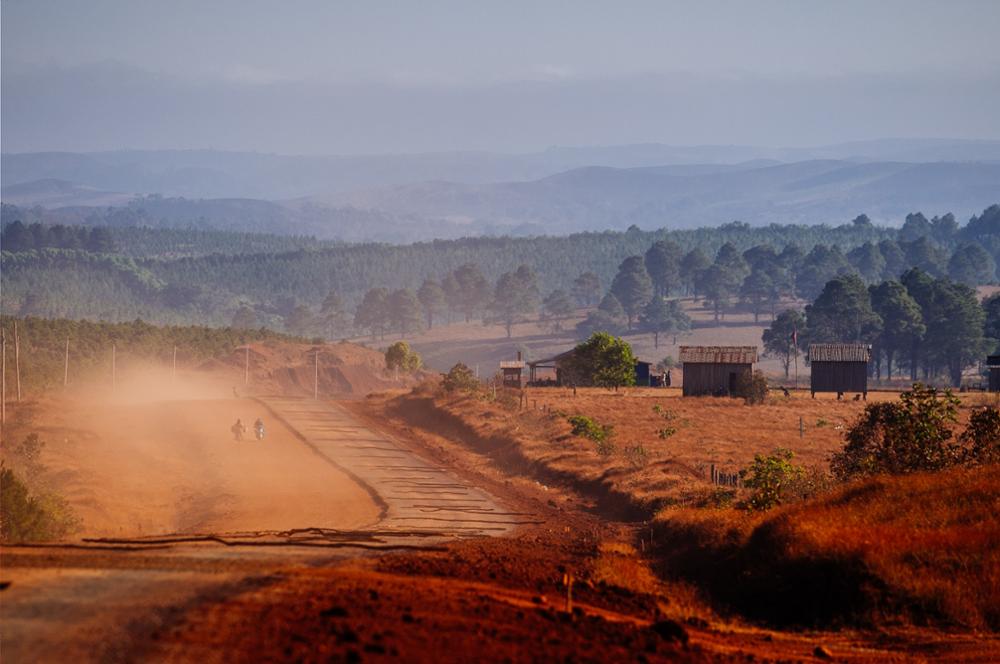
The ochre earth of Ratanakiri is an iconic image of Cambodge's geological diversity. These expanses nestled in the highland valleys can stir billowing clouds of russet dust as the monsoon winds approach. Serene throughout the rest of the year, these plains offer, with each season, their own distinctive character, a sublime and captivating vision of the landscape.
This will be the first impression that marks your arrival in this remote region of Cambodge, an ideal destination for venturing off the beaten path. Here, mass tourism doesn't exist. Upon arrival at the regional hub, you'll encounter Khmers and residents from local minorities at the capital, Banlung—particularly at the bustling city market, where you can exchange ideas and seek advice from vendors of minority backgrounds—and the population density gradually thins as you venture into any of the 240 villages scattered throughout the surrounding countryside and jungles. Here are some essential activities not to miss during your Ratanakiri visit.
Nature Takes the Lead
Your first impressions of Ratanakiri's countryside will be defined by ochre rolling hills, surrounded by hills and mountains that dominate the landscape. After stopping in Banlung, the province's largest city, you'll have the opportunity to delve deeper, venture further into this natural world, and discover far more than what you'll glimpse through your vehicle's windows along the national highways. While deforestation remains a scourge in the region, industrialization is still far from marring the scene.
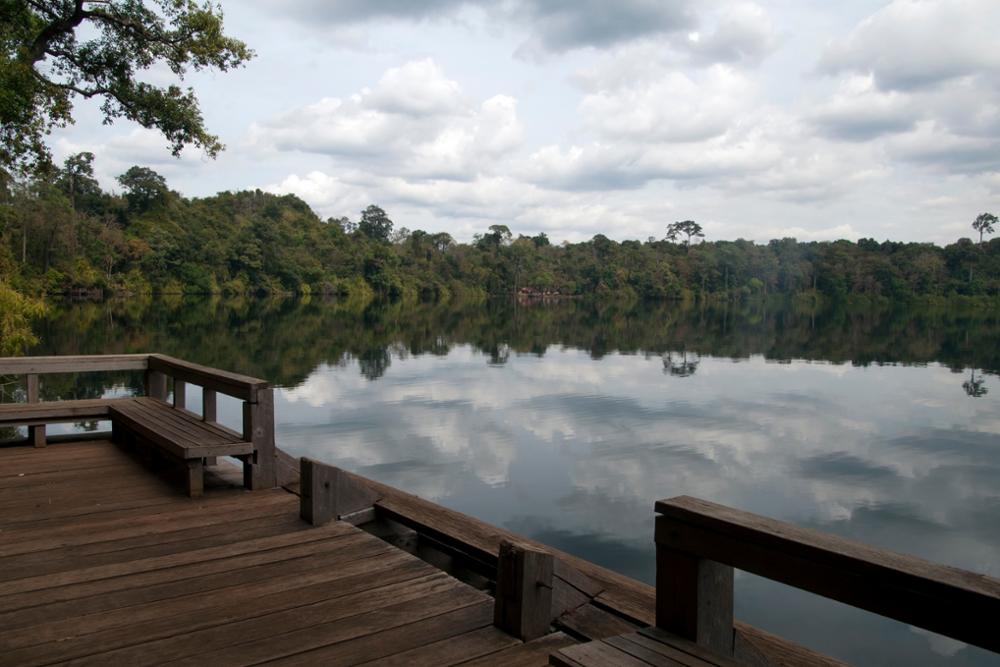
Just 5km east of central Banlung lies the volcanic lake of Yeak Laom, formed in a crater dating back over 700,000 years. The journey can be made by bus in 10 minutes, or for hiking enthusiasts—a wonderful addition to any Ratanakiri getaway—it takes roughly 30 minutes on foot to reach the site, breathing in the fresh mountain air. Numerous activities await along the lake's shores beyond swimming, including picturesque picnics to savor at the water's edge, or boat rides across the water. You can extend your day of adventure with walks through the lush jungles that blanket the ochre landscape and lead down to the lakeside. A trail has been cleared through one jungle section circling the lake, where you may encounter exotic wildlife such as vibrant parrots! You'll also have your first encounter here with an ethnic minority people: the Tampuens. Numbering around 1,500, they are dispersed across 5 villages west and north of the lake, or close to the road leading there.
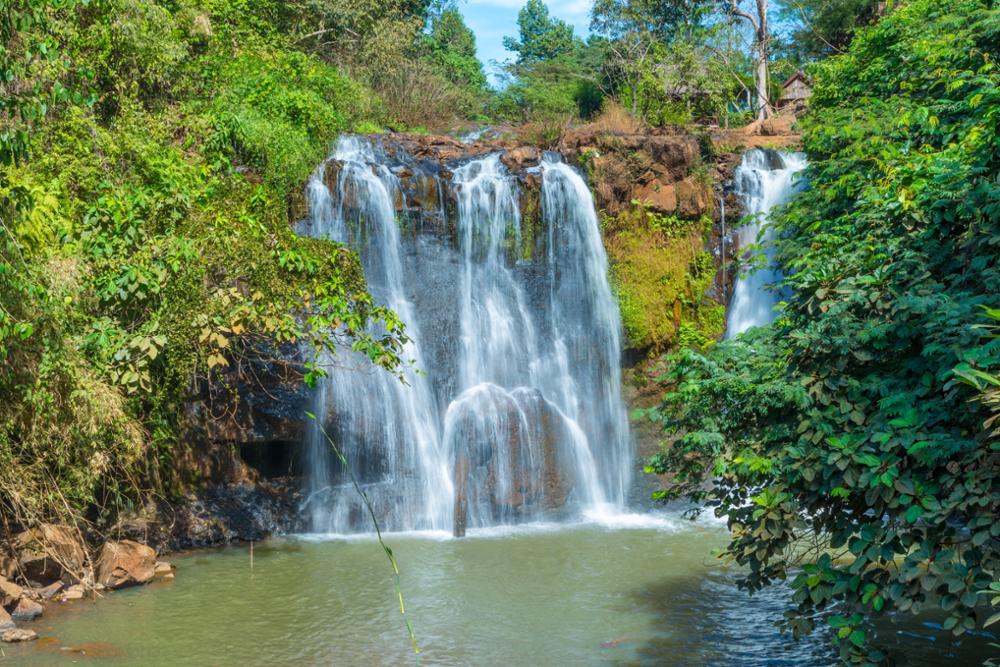
The Ratanakiri region is equally renowned for its numerous waterfalls hidden beneath the various forest canopies sheltering the area. The most celebrated among them are Kachang and Katieng, which both draw from the same stream: the Kotung. Located 7km southwest of Banlung, these two impressive falls are separated by only a few hundred meters, with Kachang upstream and Katieng below. Beyond the spectacle and enchanting sound these natural wonders provide, they're ideal spots for picnicking and cooling off during the dry season, whether in the shade or within the crystal pools carved by the cascading water.
Treks to Meet Local Ethnicities and So Much More
Visits to these waterfalls, like any nature-focused activity during your Ratanakiri stay, will bring you closer to the province's ethnic villages. Virachey National Park stands as one of the region's premier natural areas. Its environmental diversity—from rivers and lakes to jungles and mountains—shelters unique ethnic populations eager to share their culture with you. To this end, numerous treks are organized, ranging from an afternoon to 10 days in duration. This adventure takes you to meet these communities, to converse with inhabitants, share meals with them, discover their values and principles rooted across generations, witness local work practices, and more.
These jungle treks also provide the chance to encounter a wildlife population particularly celebrated in this Cambodge region: gibbons. Governed by strict protocols to avoid disturbing the primates, the treks take you deep into the heart of the national park's jungles. You can follow gibbon families, learn more about them, and distinguish their remarkably distinctive calls.
Frequently asked questions
The best time to visit Ratanakiri is between November and May, during the dry season, to fully enjoy outdoor activities and trekking opportunities.
Yeak Laom lake is just 5km east of Banlung. You can reach it by bus in 10 minutes or on foot in 30 minutes for a pleasant hike.
In Ratanakiri, you can meet the Tampuens (around 1,500 people spread across 5 villages) and other ethnic minorities while trekking in Virachey National Park.
Treks in Virachey National Park can last from an afternoon to 10 days depending on your preferences and fitness level, with opportunities to meet local ethnicities and observe gibbons.
Images restored from source website — reposition manually if needed.