The New Currency Museum of Phnom Penh
Phnom Penh, Cambodia
In Phnom Penh, the Preah Srey Icanavaraman Museum retraces Cambodia's monetary history, from the Funan era to present-day economic issues, through coins, banknotes, and archives.
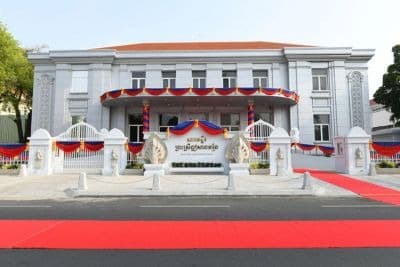
Cambodian Prime Minister Hun Sen inaugurated yesterday morning in Phnom Penh the Preah Srey Icanavaraman Museum, named after a king and hero of the Chenla era (6th century–802), also known as the Economic and Monetary Museum of the kingdom. This venue traces Cambodia's monetary and commercial history from the Funan period (1st–7th century), allowing visitors to explore the kingdom's monetary and economic challenges from a Cambodian perspective. The building is located near Wat Phnom hill, in the Khmer capital.
Recent excavations of Angkor Borei, near Takeo, a known capital of the Funan kingdom, have uncovered and highlighted the economic dimension of Funanite civilization. This city, linked to the port of Óc Eo in present-day Vietnam, enabled the import of goods for maritime trade. The docks of Óc Eo were constantly frequented due to their strategic position. This city stood at the maritime crossroads of China, Malaysia, and southern India. Boats sailed exclusively close to the coast in that era, and Óc Eo proved invaluable to all merchants who came, stopped to display their wares, or sold trinkets and other exported goods, or those retrieved at sea or during layovers.
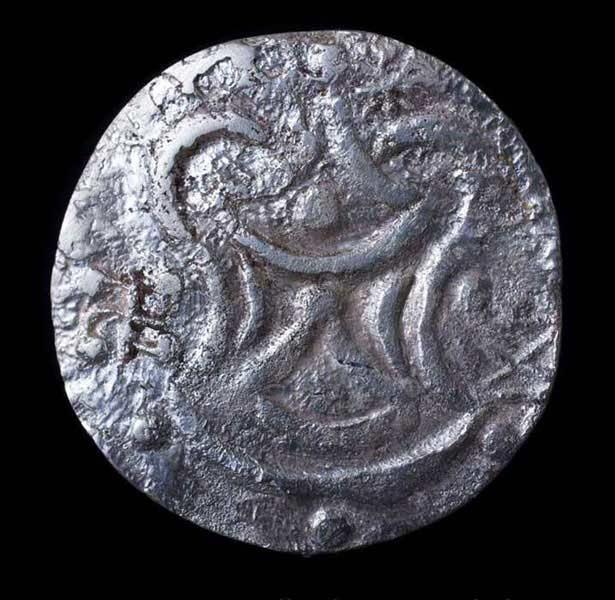
The discovery of monetary treasures in the capital of Angkor Borei proves that many of these exchanges were monetized. Funanite transactions spanned centuries and form the starting point of the history told in the Preah Srey Icanavaraman Museum.
Two Floors, Two Atmospheres
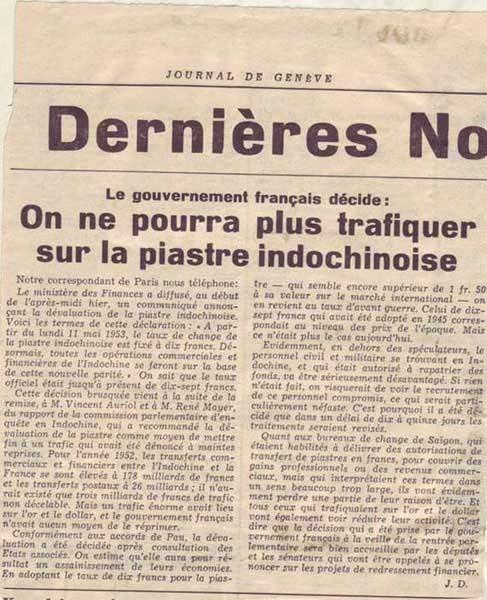
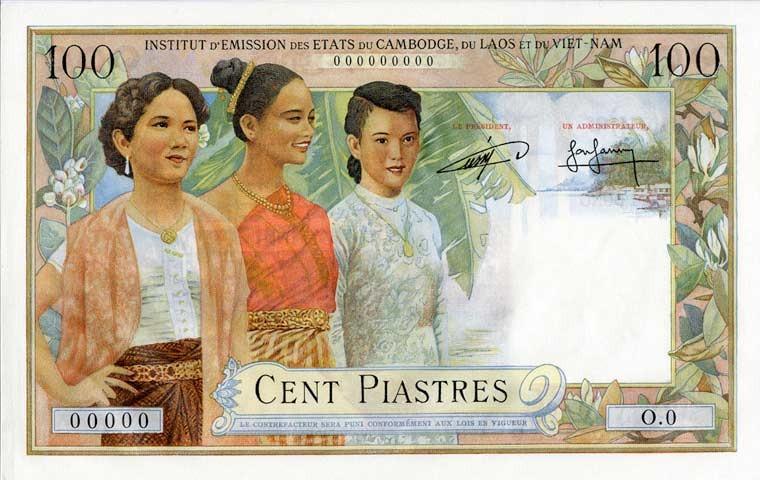
The museum is divided into two distinct floors to allow visitors to learn more about the region's monetary history and then consider Cambodia's current economic situation. The first floor covers the entire monetary history of Cambodia's various kingdoms and states, spanning the Funan period followed by Chenla, the Angkorian empire, the impact wars had on the country's wealth, the protectorate era, and more. Period documents, newspaper articles, accounts, coins, and banknotes are notably displayed here.
The second floor establishes the foundations of post-Khmer Rouge economics and informs visitors about Cambodia's current monetary and economic policy, as well as the kingdom's monetary position in the world. The evolution of agriculture, China's importance in Cambodia's economy, education in this sector, and the role of the American dollar and the riel are among the topics covered on this floor.
Frequently asked questions
The Preah Srey Icanavaraman Museum is open [to be completed with official hours]. It is recommended to check the hours before your visit.
The museum's entrance fee is [to be completed]. Reduced rates may be available for students and groups.
Plan for approximately 1.5 to 2 hours to explore both floors of the museum and fully appreciate Cambodia's monetary history.
Yes, the museum is located near Wat Phnom hill, easily accessible by tuk-tuk, taxi, or on foot from the historic center.
Images restored from source website — reposition manually if needed.
Photos
Also discover
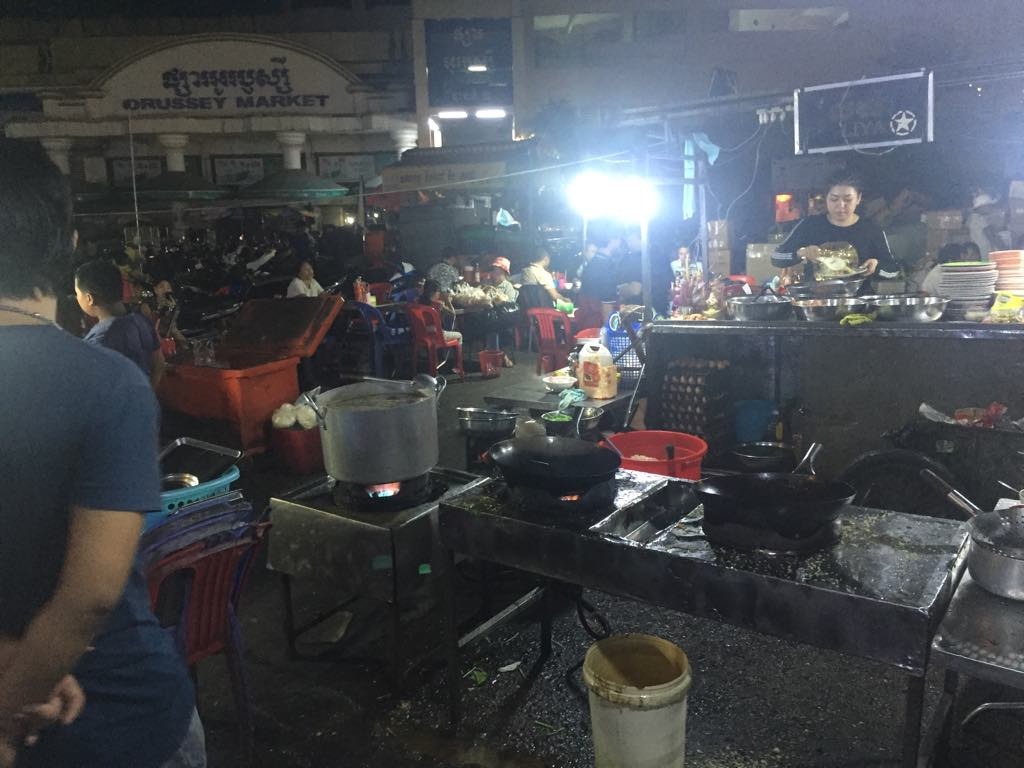
An evening in the heart of Orussey's vibrant atmosphere
Just steps from the Central Market, Orussey reveals its true charm in the evening: street restaurants set up and the neighborhood transforms into a culinary and popular gathering spot at the heart of Phnom Penh.
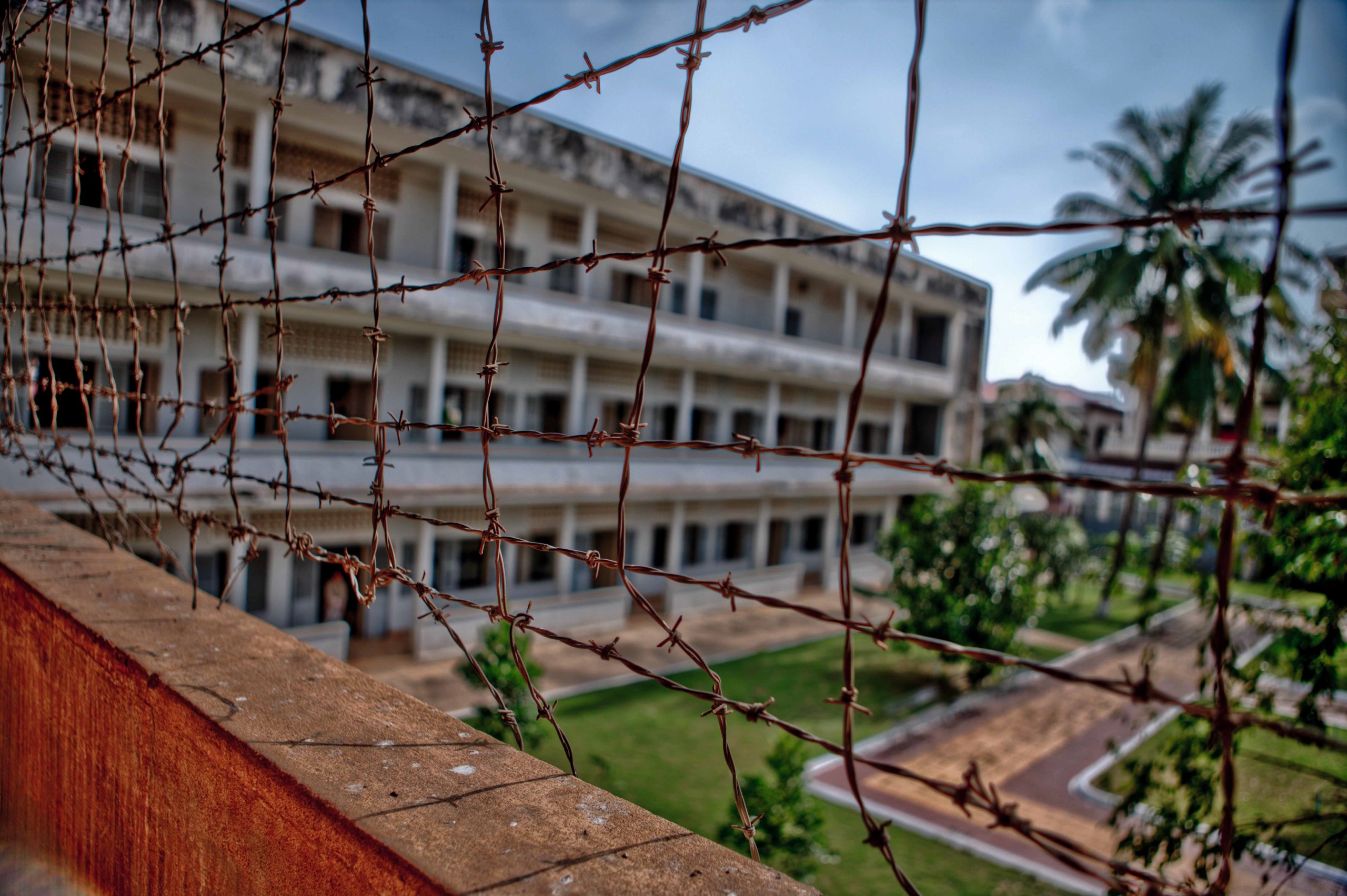
Tuol Sleng Museum, a dark chapter of Cambodia's past
In Phnom Penh, Tuol Sleng Museum recounts the story of prison S-21 with striking sobriety. A challenging visit, but an essential one for understanding Cambodia's memory.